
Jack Harvey
Director
Born: September 16, 1881 in Cleveland, Ohio, USA Died: November 6, 1954 Active: 1910-1925
Films
3 films
About Jack Harvey
American film director and actor who emerged as a significant figure during the days of silent cinema. Born in Cleveland, Ohio, in 1881, Harvey began his career in the film industry during its formative years, initially working as an actor before transitioning to directing. He found his most productive period with the Thanhouser Company, one of America's earliest film studios, where he directed numerous short films between 1910 and 1915. Harvey demonstrated remarkable versatility, helming comedies, dramas, and adventure films, often working with the era's prominent silent film actors. His directorial style reflected the technical limitations and storytelling conventions of early cinema, emphasizing clear visual narratives and expressive performances. After his peak period in the mid-1910s, Harvey's directorial output gradually declined as the film industry evolved and studios consolidated. He continued working in various capacities within the film industry through the 1920s before retiring from filmmaking. Harvey passed away in 1954, leaving behind a substantial body of work that documents the evolution of American cinema from its infancy through the silent era's golden age.
The Craft
Behind the Camera
Jack Harvey's directing style was characteristic of early silent cinema, emphasizing clear visual storytelling and dramatic gestures. He worked within the technical constraints of the period, using static camera positions and long takes to convey narrative. His films often featured melodramatic elements and relied heavily on actors' facial expressions and body language to communicate emotions. Harvey demonstrated particular skill in directing comedy shorts, utilizing physical humor and situational comedy effectively. His approach to drama was straightforward and unpretentious, focusing on accessible stories that appealed to contemporary audiences.
Milestones
- Directed over 100 films during the silent era
- Key director at Thanhouser Company (1910-1915)
- Transitioned successfully from actor to director
- Pioneered early film storytelling techniques
- Worked with prominent silent film stars of the era
Best Known For
Must-See Films
Accolades
Special Recognition
- Recognized as a director of early American cinema
- Contributor to Thanhouser Company's legacy in film history
Working Relationships
Worked Often With
Studios
Why They Matter
Impact on Culture
Jack Harvey contributed significantly to the development of American cinema during its foundational years. As one of the early directors at Thanhouser Company, he helped establish narrative filmmaking techniques that would become industry standards. His work during the 1910s helped transition cinema from novelty entertainment to a legitimate artistic medium. Harvey's films, while largely lost to time, represent important examples of early American cinematic storytelling. His directorial approach influenced subsequent generations of filmmakers who built upon the foundations laid by pioneers like Harvey. The body of work he created provides valuable insight into the evolution of film language and the cultural values of early 20th century America.
Lasting Legacy
Jack Harvey's legacy lies in his substantial contribution to the early development of American cinema as both an actor and director. While many of his films have been lost to time, those that survive serve as important historical documents of filmmaking's formative years. His work with Thanhouser Company helped establish one of America's earliest and most important film studios. Harvey represents the generation of filmmakers who transitioned from stage and vaudeville to cinema, bringing theatrical sensibilities to the new medium. His career trajectory from actor to director exemplified the professional paths available in the early film industry. Modern film historians recognize Harvey as an important figure in understanding how narrative cinema developed in America during the silent era.
Who They Inspired
Jack Harvey influenced the development of early cinematic language through his work on numerous short films. His directing techniques, while simple by modern standards, helped establish conventions for visual storytelling that would be refined by later filmmakers. Harvey's ability to work efficiently and produce a high volume of quality films demonstrated the professional standards possible in the early industry. His collaborations with actors helped develop performance styles appropriate for silent cinema. While not as well-remembered as some contemporaries, Harvey's work contributed to the collective knowledge base that enabled the rapid evolution of filmmaking during the 1910s and 1920s.
Off Screen
Jack Harvey was born into a period of tremendous technological and cultural change in America. His career coincided with the birth and development of the motion picture industry. Details about his personal life are relatively scarce, which was common for many early film professionals whose private lives were not extensively documented in contemporary press. Harvey's dedication to the burgeoning film industry reflected the entrepreneurial spirit of early 20th century America. He lived through the transition from silent films to talkies, though his active directing career largely concluded before the sound era began.
Did You Know?
- Directed over 100 films during his career, most of which were short films
- Began his film career as an actor before transitioning to directing
- Worked primarily with Thanhouser Company during their peak production years
- Many of his films are now considered lost, a common fate for early cinema
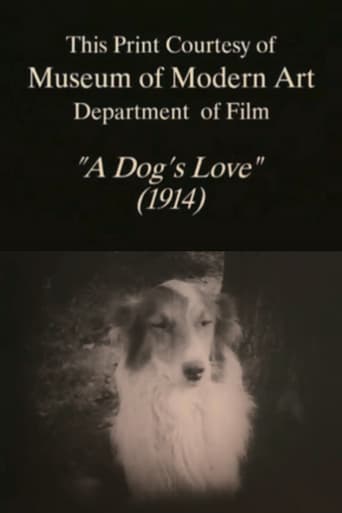
- His films often featured animals, as evidenced by 'A Dog's Love' (1914)
- Worked during the period when film was transitioning from novelty to art form
- Part of the first generation of American film directors
- His active years covered the crucial development period of American cinema (1910-1925)
- Helped establish narrative conventions for short films
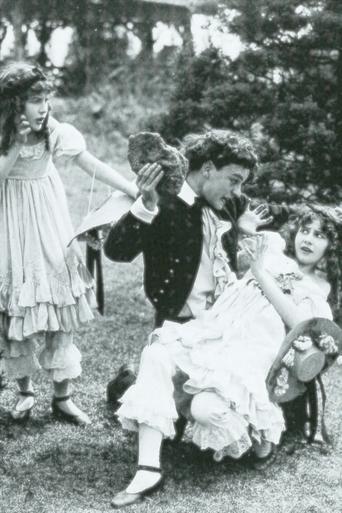
- Worked with many of Thanhouser's contract players including child star Marie Eline
Frequently Asked Questions
Who was Jack Harvey?
American on YTB.my. He was one of the directors who helped establish narrative filmmaking techniques in early American cinema.
What films is Jack Harvey best known for?
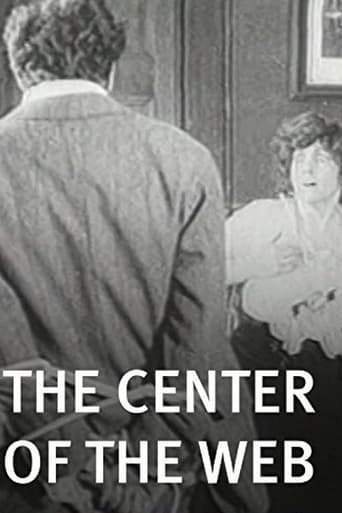
Titles linked here include A Dog's Love (1914), The Center of the Web (1914).
When was Jack Harvey born and when did he die?
Born September 16, 1881; died November 6, 1954.
What awards did Jack Harvey win?
Jack Harvey did not receive formal awards during his career, as the Academy Awards and other major film honors were not established during his most active period. He is recognized today as a director who contributed to early American cinema's development.
What was Jack Harvey's directing style?
Jack Harvey's directing style was characteristic of early silent cinema, emphasizing clear visual storytelling with static camera positions and reliance on actors' expressions. He worked within technical constraints to create accessible narratives, showing particular skill in comedy shorts and melodramas.