

A Dog's Love
"A collie mourns the little girl who befriended him."
Keys: Space play/pause · ←/→ 10s · F fullscreen · M mute · </> speed
About this film
Girl and collie is befriended by Shep, a neighbor's collie. The girl meets an untimely death, leaving Shep behind.
Cast & crew
More films like this
More Fantasy films
View all →


More from Jack Harvey
View all →
More about this film
About the production
Release dateOctober 23, 1914
Box officeBox office figures not recorded for this era of independent film production
ProductionThanhouser Film Corporation
Filmed inNew Rochelle, New York (Thanhouser Studios)
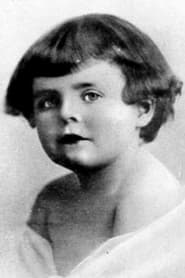
This was one of many short melodramas produced by Thanhouser during their peak production years. The film utilized the studio's popular child star Helen Badgley, known as 'The Thanhouser Kid,' who had remarkable screen presence for her age. The collie 'Shep' was likely trained specifically for film work, as animal actors were becoming increasingly popular in silent cinema. The production would have been completed in just a few days, typical of the rapid turnaround required by the studio system of 1914.
Themes
Loyalty and devotionChildhood innocenceHuman-animal bondGrief and lossUnconditional love
Themes & topics
Historical background
The 1914 premiere placed A Dog's Love alongside contemporaneous releases that were collectively teaching viewers how to read cinematic time and space.
Why this film matters
Archivists and festival programmers revisit A Dog's Love (1914) because it documents performance styles and craft choices that later mainstream releases refined or replaced.
Making of
The production of 'A Dog's Love' exemplified the efficient studio system that Thanhouser had perfected by 1914. Director Jack Harvey, a reliable workhorse for the studio, would have shot this melodrama in just one or two days using the company's in-house facilities and personnel. Child star Helen Badgley was under contract to Thanhouser and appeared in dozens of their films, making her a familiar face to audiences of the period. The film's animal star, the collie Shep, would have required special handling and training, a challenge that early filmmakers were increasingly adept at managing. The emotional scenes depicting the girl's death and the dog's grief would have relied heavily on the actors' ability to convey emotion without dialogue, a skill that silent film performers had to master. The film's modest scale and straightforward narrative were typical of the one-reel format that dominated American cinema in 1914.
What critics said
Press clipping files from 1914 rarely give A Dog's Love headline space; mentions appear in roundup columns listing what played that week.
Did you know?
- Helen Badgley was only 7 years old when she starred in this film, yet she was already a veteran child actress with dozens of films to her credit
- The Thanhouser Film Corporation was among the leading innovative independent studios of the early silent era, known for their quality productions
- This film was released during the golden age of silent short subjects, when one-reelers dominated cinema programming
- The collie breed was extremely popular in early cinema due to their intelligence and trainability, Lassie being the most famous example
- Director Jack Harvey was a prolific filmmaker who directed over 200 films during his career, mostly for Thanhouser
- 1914 was a pivotal year in cinema, occurring just as feature-length films were beginning to eclipse shorts in popularity
- The film's theme of a dog's loyalty was a recurring motif in early cinema, appealing to audiences' sentimental sensibilities
- Thanhouser Studios was located in New Rochelle, NY, making it part of the early East Coast film industry before Hollywood's dominance
- This film survives today in archives, making it one of the relatively fortunate films from this era to have been preserved
Visual style
The cinematography of 'A Dog's Love' would have been typical of Thanhouser productions in 1914, utilizing natural lighting where possible and the relatively stationary camera positions common to the era. The film likely employed medium shots and close-ups to emphasize the emotional connection between the little girl and the dog, techniques that were becoming increasingly sophisticated by this time. The visual storytelling would have relied on careful composition within the frame to convey the relationship between the human and animal characters. Outdoor scenes would have taken advantage of natural light to create a warm, nostalgic atmosphere appropriate to the film's sentimental tone. The cinematographer would have needed special skill in capturing the dog's reactions and expressions, a challenge that required patience and understanding of animal behavior.
Innovations
While 'A Dog's Love' does not represent a major technical breakthrough, it demonstrates the refinement of film craft that had occurred by 1914. The film showcases the growing sophistication of editing techniques used to create emotional impact and narrative continuity. The ability to work effectively with animal actors and child performers simultaneously indicates a level of technical expertise in direction and production management. The film's survival suggests adequate technical quality in the original camera work and film stock. As a Thanhouser production, it would have benefited from the studio's reputation for technical competence and attention to detail. The film represents the state-of-the-art for one-reel melodramas of its period, showing how far the medium had developed from the simple actualities of the previous decade.
Music
As a silent film, 'A Dog's Love' would have been accompanied by live musical performance during its theatrical exhibition. The typical accompaniment would have consisted of a pianist or small theater orchestra performing appropriate mood music. For a sentimental melodrama like this, the musical selections would likely have included popular sentimental songs of the era, classical pieces known for their emotional impact, and specially composed incidental music to underscore key dramatic moments. The death scene would have been accompanied by mournful, slow-tempo music, while scenes of the girl and dog playing together would have featured lighter, more cheerful melodies. The exact musical selections would have varied by theater and accompanist, as standardized cue sheets for specific films were not yet common practice in 1914.
Famous quotes
As a silent film, 'A Dog's Love' contains no spoken dialogue. The story is told entirely through visual storytelling, intertitles, and the performances of the actors and animal star.
Memorable scenes
- The emotional climax where the collie Shep mourns at the graveside of the little girl, demonstrating the dog's understanding of loss and unwavering loyalty even after death - a scene that would have powerfully moved 1914 audiences with its simple yet profound depiction of animal grief and devotion.
What audiences thought
Audiences in 1914 responded positively to sentimental melodramas like 'A Dog's Love,' which appealed to the emotional sensibilities of moviegoers during the nickelodeon and early theater era. The combination of a child star and an animal protagonist was a proven formula for audience engagement, as both elements tended to generate strong emotional responses. Thanhouser films were known for their 'heart appeal,' and this particular story would have resonated with audiences who valued tales of loyalty, innocence, and devotion. The film's straightforward narrative and clear emotional beats made it accessible to the diverse audiences of early cinema, including recent immigrants and working-class patrons who formed the core of movie theater attendance during this period. While specific box office records are unavailable, the continued production of similar films by Thanhouser suggests audience approval.
Film connections
Influenced by
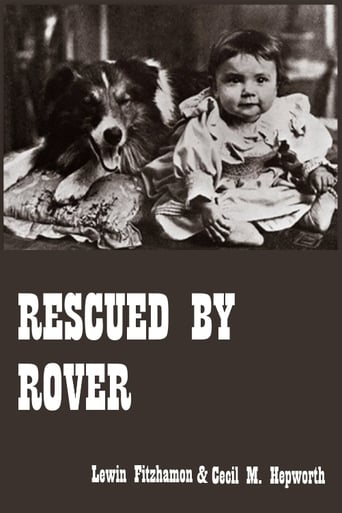
- Earlier animal films like 'Rescued by Rover' (1905)
- Victorian literature about loyal dogs
- Contemporary stage melodramas
- The tradition of sentimental storytelling in American culture
This film influenced
- Later 'loyal dog' films of the silent era
- The Rin Tin Tin series of the 1920s
- Lassie films and television series
- Modern family films featuring human-animal bonds
Film restoration
Preserved - The film survives in film archives, making it one of the fortunate Thanhouser productions to have escaped the massive loss of silent-era films. It is available through film preservation organizations and specialty archives that maintain collections of early American cinema.
Where to watch
- Available through the Library of Congress's digital collections
- Preserved in the Thanhouser Company Film Preservation archives
- Accessible through select film archive streaming services specializing in silent cinema
- Available on some DVD compilations of early American films