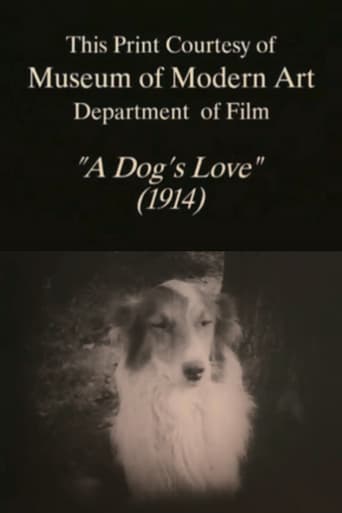
Films
1 film
About Shep the Dog
Canine actor who rose to prominence during the silent film era, most notably starring in the 1914 short film 'A Dog's Love.' As one of the early animal actors in cinema history, Shep represented the growing trend of featuring trained animals in dramatic roles during the 1910s. The film showcased the emotional capabilities of animal performers, with Shep delivering a performance that resonated with audiences of the time. While detailed records about Shep's training and background are scarce, animal actors like him were typically owned and trained by studio handlers or specialized animal trainers who worked closely with film production companies. The success of 'A Dog's Love' demonstrated the commercial viability of animal-centered narratives in early cinema. Shep's brief but notable career coincided with a period when filmmakers were discovering the emotional power of animal performers on screen. Though his filmography appears limited to 1914, his contribution helped pave the way for future generations of animal actors in Hollywood.
The Craft
On Screen
Naturalistic emotive performance typical of early animal actors, relying on trained behaviors and instinctual responses to create emotional connections with silent film audiences
Milestones
- Starred in 'A Dog's Love' (1914)
- One of the early canine actors in silent cinema
- Helped establish the viability of animal-led narratives in early film
Best Known For
Iconic Roles
Must-See Films
Working Relationships
Worked Often With
Studios
Why They Matter
Impact on Culture
Shep the Dog, through his performance in 'A Dog's Love,' contributed to the early establishment of animal actors as legitimate stars in cinema. During the silent era, when dialogue was absent, the expressive capabilities of animals became particularly valuable for conveying emotion and advancing narratives. Films featuring animal protagonists like Shep helped demonstrate to early filmmakers and studios that audiences could form strong emotional connections with non-human characters, paving the way for later famous animal actors like Rin Tin Tin and Strongheart. The success of such films also reflected the growing sophistication of animal training techniques for motion pictures and the public's appetite for stories centered on loyal animal companions.
Lasting Legacy
Though Shep's film career was brief and largely undocumented beyond 'A Dog's Love,' the dog represents an important milestone in the history of animal actors in cinema. The performance helped establish precedents for using animals in dramatic roles rather than merely as comic relief or background elements. This legacy can be seen in the subsequent rise of major animal stars throughout the 1920s and beyond, as well as the continued popularity of animal-centered films in modern cinema. Shep's work exemplifies how early filmmakers recognized and exploited the emotional power of animal performances, a tradition that continues to influence filmmaking today.
Who They Inspired
Shep's performance in 'A Dog's Love' influenced the way early filmmakers approached animal casting and training, demonstrating that dogs could carry dramatic weight in narratives. This helped inspire subsequent generations of animal trainers and handlers to develop more sophisticated techniques for preparing animals for film work. The success of films like Shep's likely encouraged studios to invest more resources in animal talent, leading to the emergence of major animal stars in the 1920s such as Rin Tin Tin, who became one of the biggest box office draws of his era.
Off Screen
Very little is documented about Shep's personal life, which was typical for animal actors of the silent era. Like most animal performers of this period, Shep was likely owned and trained by a professional animal handler who worked with film studios. The dog would have lived with its trainer and been transported to film sets for shooting.
Education
Professional training as a film animal actor, likely by a studio animal handler or specialized trainer in the early 1910s
Did You Know?
- Animal actors in silent films often earned more than human extras
- Shep appeared during the same year that Charlie Chaplin first appeared on screen
- Early animal actors were typically trained using positive reinforcement methods developed for stage performances
- Many animal actors of this era lived with their trainers full-time
- The success of 'A Dog's Love' was part of a trend of sentimental films featuring animal protagonists
- Silent era animal actors often had to perform multiple takes due to the technical limitations of early film equipment
- Shep's film was likely a one-reeler, running approximately 10-12 minutes
- Animal actors were sometimes credited with human-like names to make them more relatable to audiences
Frequently Asked Questions
Who was Shep the Dog?
Canine with credits in this catalog.' He was one of the early animal performers in cinema history, helping establish dogs as viable dramatic leads in motion pictures during the days of filmmaking.
What films is Shep the Dog best known for?
Titles linked here include A Dog's Love (1914).
When was Shep the Dog active in films?
Shep the Dog's known film career was limited to 1914, coinciding with the early years of American silent cinema. This was a period when filmmakers were experimenting with various types of content and discovering audience preferences.
What was the significance of 'A Dog's Love'?
'A Dog's Love' was significant as an early example of an animal-centered dramatic film, demonstrating that dogs could effectively carry emotional narratives in silent cinema. The film's success helped pave the way for future animal stars in Hollywood.
How were animal actors like Shep trained in the silent era?
Animal actors in the silent era were typically trained by professional handlers using positive reinforcement techniques adapted from stage performance training. These trainers worked closely with film directors to elicit specific behaviors and emotional responses that could be captured on camera.
What was Shep the Dog's legacy in cinema?
Shep the Dog's legacy lies in contributing to the early establishment of animal actors as legitimate film stars. His performance helped demonstrate the commercial and artistic viability of animal-led narratives, influencing the subsequent rise of famous animal actors throughout the 1920s and beyond.