Films
1 film
About Arthur W. Bates
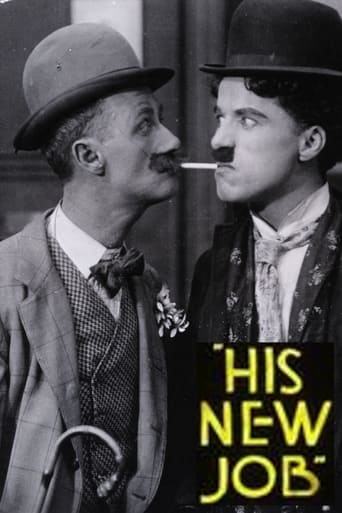
American actor who worked briefly during the silent film era, appearing in only one known film credit. His sole documented performance was in Charlie Chaplin's comedy short 'His New Job' in 1915, which marked Chaplin's first film after joining Essanay Studios. Bates was likely a bit player or extra in this production, which was typical for many actors of the period who appeared in single films without establishing lasting careers in cinema. The film itself was significant as Chaplin's inaugural work for Essanay, shot at their Chicago studio before Chaplin moved to their California location. Bates' appearance in this Chaplin classic represents his entire known filmography, suggesting he may have been a local Chicago actor hired for the production or someone who briefly dabbled in filmmaking without pursuing it as a career. Like many supporting players from early cinema, his contribution was minimal but part of the foundation of Hollywood's golden age.
The Craft
Milestones
- Appeared in Charlie Chaplin's 'His New Job' (1915)
Best Known For
Must-See Films
Working Relationships
Worked Often With
Studios
Why They Matter
Impact on Culture
Arthur W. Bates represents the countless anonymous actors who contributed to early cinema during its formative years. His appearance in a Charlie Chaplin film, however minor, places him within the context of one of cinema's most important collaborative periods. While his individual impact was minimal, he was part of the ecosystem that allowed Chaplin to create his early comedic masterpieces, contributing to the development of film comedy as an art form.
Lasting Legacy
Arthur W. Bates' legacy is primarily that of a footnote in film history, representing the thousands of performers who participated in early cinema without achieving lasting fame. His single credit in a Chaplin film serves as a reminder of the collaborative nature of filmmaking and the many forgotten contributors to classic cinema. His brief appearance in 'His New Job' ensures he remains part of the historical record of early American film.
Who They Inspired
As a minor actor with only one known credit, Arthur W. Bates had no discernible influence on other actors or directors. However, his participation in a Chaplin film places him within the influential sphere of early comedy filmmaking, even if his specific contribution was minimal and forgotten by history.
Off Screen
Very little is known about Arthur W. Bates' personal life, as he appears to have been a minor actor who only worked in one film production. Like many bit players from the silent era, biographical details about his life outside of his single film credit have not been preserved in historical records.
Did You Know?
- His only known film appearance was in Charlie Chaplin's first Essanay Studios production
- 'His New Job' was filmed in Chicago before Chaplin moved to Essanay's California studio
- The film's title was a reference to Chaplin's new contract with Essanay Studios
- Like many early film actors, Bates' career appears to have consisted of only this single film
- He represents the typical bit player of the silent era who appeared in films without receiving significant screen time or billing
- The film he appeared in was a two-reel comedy running approximately 30 minutes
- Chaplin later remade some elements of this film in his 1915 work 'A Night Out' for Mutual Film Corporation
Frequently Asked Questions
Who was Arthur W. Bates?
Screen credits include only one known film - Charlie Chaplin's 'His New Job' in 1915. He was likely a bit player or extra in this production and does not appear to have had a significant film career beyond this single credit.
What films is Arthur W. Bates best known for?
Titles linked here include His New Job (1915).
When was Arthur W. Bates born and when did he die?
The birth and death dates of Arthur W. Bates are not known, as biographical information about this minor actor has not been preserved in historical records. Like many bit players from early cinema, his personal details remain lost to history.
What awards did Arthur W. Bates win?
Arthur W. Bates did not receive any known awards or nominations for his brief film work. As a minor actor with only one credit, he would not have been considered for major industry recognition during his time.
What was Arthur W. Bates' acting style?
There is no documented information about Arthur W. Bates' acting style, as his only known appearance was likely as an extra or bit player in a Chaplin film. His role was probably too minor to demonstrate any particular acting techniques or style.
Was Arthur W. Bates related to any other famous actors?
There is no evidence that Arthur W. Bates was related to any other notable figures in cinema. His brief appearance in one film suggests he was not part of any entertainment family or dynasty.
Did Arthur W. Bates work with Charlie Chaplin on other films?
No, 'His New Job' (1915) appears to be the only film where Arthur W. Bates worked with Charlie Chaplin. There are no records of any other collaborations between them, suggesting Bates was likely a local hire for that specific production.