Films
4 films
About Aleksei Alekseyev
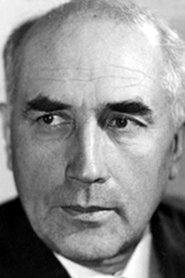
Soviet actor: the late 1930s through the mid-1940s, a period that coincided with some of the most significant developments in Soviet cinema. He emerged during the Stalinist era when Soviet film was heavily regulated and often served as propaganda, yet managed to deliver memorable performances that transcended the political constraints of the time. His work in the late 1930s and early 1940s placed him among the notable character actors of his generation, appearing in several films that reflected the social and political themes prevalent in Soviet art of the period. Alekseyev's acting style was typical of the Soviet school of the era, emphasizing clear emotional expression and ideological commitment through his characterizations. His filmography, though relatively brief, included collaborations with some of the Soviet Union's prominent directors of the time. Aleksei Alekseyev's career appears to have been cut short or significantly reduced after World War II, as was common for many Soviet actors who faced political pressures or shifting industry demands during the postwar years.
The Craft
On Screen
Typical of Soviet actors of the Stalinist era, characterized by clear emotional expression, strong character delineation, and ideological commitment in performances. His style emphasized the dramatic and often theatrical approach common in Soviet cinema of the 1930s-1940s, with emphasis on conveying social and political messages through character work.
Milestones
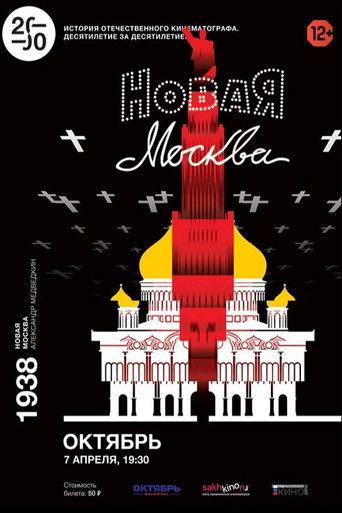
- Appeared in 'The New Moscow' (1938)
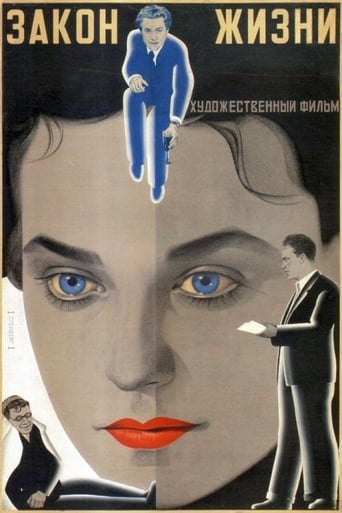
- Starred in 'The Law of Life' (1940)
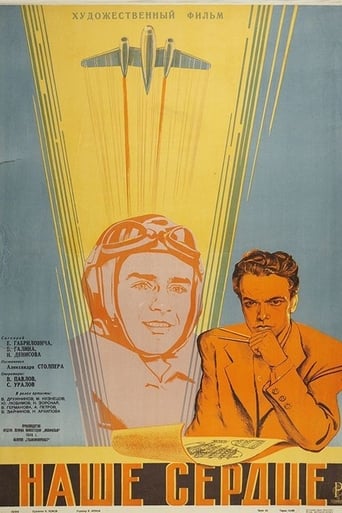
- Featured in 'Our Heart' (1946)
Best Known For
Iconic Roles
Must-See Films
Working Relationships
Studios
Why They Matter
Impact on Culture
Aleksei Alekseyev contributed to the Soviet film industry during a critical period when cinema was used as a tool for social education and political messaging. His work in films like 'The New Moscow' and 'The Law of Life' reflected the socialist realist aesthetic that dominated Soviet art during this era, helping to shape the visual and narrative language of Soviet cinema. Though not a major star, his performances contributed to the ensemble casts that brought Soviet ideological narratives to life on screen, serving as part of the cultural machinery that promoted Soviet values and worldview during the pre-war and wartime years.
Lasting Legacy
Aleksei Alekseyev's legacy is preserved through his film work, which serves as historical documentation of Soviet cinematic production during the late Stalinist period. His performances in the films he appeared in provide insight into the acting styles, narrative themes, and production values of Soviet cinema during the 1930s and 1940s. While he may not be remembered as a major figure in film history, his work contributes to our understanding of how ordinary Soviet actors participated in and helped shape the cultural landscape of their time through the medium of cinema.
Who They Inspired
As a character actor rather than a leading figure, Aleksei Alekseyev's direct influence on other actors appears limited. However, his work exemplifies the professional standards and acting approaches that were characteristic of the Soviet film industry during his active years. His performances in social realist films demonstrate the techniques and stylistic choices that influenced generations of Soviet actors who followed, particularly in how to balance artistic expression with ideological requirements.
Off Screen
Limited information is available about Aleksei Alekseyev's personal life, which was common for many Soviet character actors of his era. Like many actors working in the Soviet film industry during the 1930s and 1940s, his life was likely shaped by the political and social conditions of Stalinist Russia, where artistic careers could be affected by changing political winds and government policies toward the arts.
Did You Know?
- Appeared in films during
- His film active years covered the critical period just before, during, and immediately after World War II
- Worked primarily with Mosfilm, the largest and most prestigious Soviet film studio
- His films reflect the socialist realist aesthetic mandated by Soviet cultural policy
- Like many Soviet actors of his generation, his career appears to have been relatively brief
- His filmography consists entirely of Soviet productions during the Stalin era
- The films he appeared in were typical of the genre of Soviet social realist cinema
Frequently Asked Questions
Who was Aleksei Alekseyev?
Soviet with credits in this catalog. He worked during the Stalinist era when Soviet cinema was heavily influenced by socialist realist principles.
What films is Aleksei Alekseyev best known for?
Titles linked here include The New Moscow (1938), The Law of Life (1940).
When was Aleksei Alekseyev born and when did he die?
Specific birth and death dates for Aleksei Alekseyev are not readily available in historical records, which is common for many Soviet character actors of his era. His known active years covered from 1938 to 1946.
What awards did Aleksei Alekseyev win?
There are no documented major awards or honors specifically attributed to Aleksei Alekseyev, which was typical for many supporting actors and character actors in Soviet cinema of this period.
What was Aleksei Alekseyev's acting style?
Aleksei Alekseyev's acting style was characteristic of Soviet actors during the Stalinist era, featuring clear emotional expression, strong character delineation, and adherence to socialist realist principles that emphasized ideological commitment through performance.