Films
2 films
About Dhiraj Bhattacharya
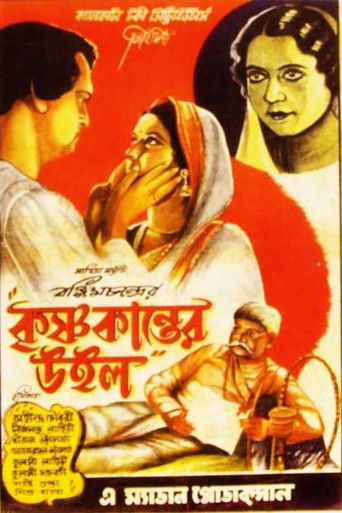
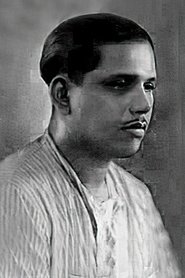
Actor in the early era of Bengali cinema, active during the crucial transitional period from silent films to talkies in the 1930s. He emerged as a significant performer during the formative years of Indian cinema, when the industry was still establishing its artistic and technical foundations. His career, though brief and spanning primarily the 1930s, coincided with the golden period of early Bengali filmmaking when literary adaptations were becoming popular. Bhattacharya demonstrated remarkable versatility in his roles, adapting his performance style to suit the new demands of sound cinema. His work in films like Krishnakanter Will (1932) showcased his ability to handle complex dramatic material during a time when Indian actors were still developing their craft for the screen. Despite the limited documentation from this early period, his contributions to establishing acting standards in Bengali cinema were significant. His career trajectory reflects the challenges and opportunities faced by actors during the early sound era in Indian cinema.
The Craft
On Screen
Dhiraj Bhattacharya's acting style reflected the theatrical traditions of early Indian cinema, characterized by dramatic expressiveness and emotional intensity suited to the new medium of sound films. His performances incorporated elements of stage acting while adapting to the more intimate requirements of cinema, a balance that was crucial during the transition from silent to talkie films. His approach emphasized clear diction and expressive gestures, essential for audiences experiencing sound cinema for the first time.
Milestones
- Breakthrough role in Krishnakanter Will (1932)
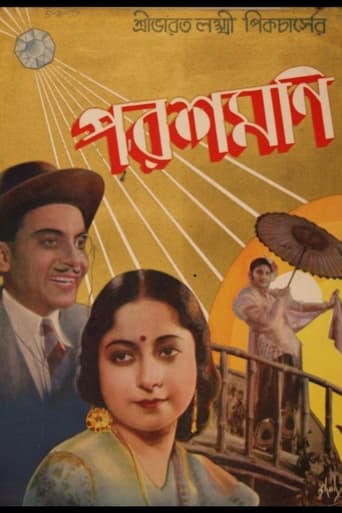
- Notable performance in Parashmoni (1939)
- work in early Bengali talkies
- Contributions to literary adaptations in cinema
Best Known For
Iconic Roles
Must-See Films
Why They Matter
Impact on Culture
Dhiraj Bhattacharya's work in early Bengali cinema contributed to the establishment of acting standards during the formative years of Indian sound cinema. His performances in literary adaptations like Krishnakanter Will helped demonstrate how classic Bengali literature could be successfully translated to the cinematic medium. As an actor working during the crucial transition from silent films to talkies, he was part of a generation that helped shape the language of Indian cinema performance. His work, though not extensively documented, represents the artistic foundations upon which later Bengali cinema would build its reputation for literary and artistic excellence.
Lasting Legacy
Dhiraj Bhattacharya's legacy lies in his contribution to early Bengali cinema during its formative years in the 1930s. While his filmography may be limited, his work in films like Krishnakanter Will and Parashmoni represents the early efforts to establish a sophisticated cinematic tradition in Bengal. His performances helped pave the way for future generations of Bengali actors who would achieve international recognition. The preservation of his films serves as important documentation of the early development of Indian cinema and the artistic choices made during the transition to sound.
Who They Inspired
As an early practitioner of sound cinema in Bengal, Dhiraj Bhattacharya was part of the foundational generation that influenced subsequent acting styles in Indian cinema. His work in literary adaptations demonstrated how theatrical traditions could be adapted for the screen, influencing how later actors would approach similar material. While direct documentation of his influence on specific actors is limited, his contributions to establishing acting standards during the early talkie period would have indirectly influenced the development of performance styles in Bengali cinema.
Off Screen
Limited documentation exists about Dhiraj Bhattacharya's personal life, which was common for many early cinema actors whose private details were not extensively recorded. His active years covered a crucial period in Indian cinema history, but like many actors of his generation, detailed biographical information remains scarce. The lack of comprehensive personal records reflects the broader challenge of documenting early Indian film history.
Did You Know?
- Active during the crucial transition period from silent to sound cinema in India
- Appeared in Krishnakanter Will (1932), one of the early Bengali talkies
- His film active years covered the 1930s, a formative decade for Indian cinema
- Worked during an era when Bengali cinema was establishing its identity
- Participated in early literary adaptations, a trend that would define Bengali cinema
- His career coincided with the early years of sound technology in Indian filmmaking
- Represented the first generation of actors specifically trained for sound cinema in Bengal
Frequently Asked Questions
Who was Dhiraj Bhattacharya?
Early Bengali cinema with credits in this catalog. He was part of the generation of actors who worked during the transition from silent films to talkies in Indian cinema.
What films is Dhiraj Bhattacharya best known for?
Titles linked here include Krishnakanter Will (1932), Parashmoni (1939).
When was Dhiraj Bhattacharya active in cinema?
Dhiraj Bhattacharya was active in cinema during the 1930s, specifically from 1932 to 1939, which was a crucial period for the development of sound cinema in Bengal and the broader Indian film industry.
What was Dhiraj Bhattacharya's contribution to Indian cinema?
Dhiraj Bhattacharya contributed to the establishment of acting standards in early Bengali talkies, helping bridge the gap between theatrical performance and screen acting during the formative years of Indian sound cinema.
What was unique about Dhiraj Bhattacharya's acting style?
His acting style reflected the transitional nature of early Indian cinema, blending theatrical expressiveness with the more intimate requirements of film acting, while adapting to the new challenges and opportunities presented by sound technology.