Films
1 film
About Priscilla Moran
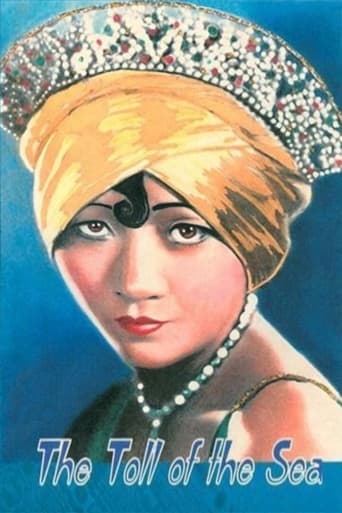
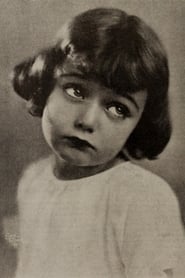
Made her mark in cinema history with a single but significant role. Priscilla appears in the 1922 film 'The Toll of the Sea,' which was the first feature-length film made in Technicolor's two-color process. In this landmark production, Moran played the young Lotus, portraying the childhood version of the character that Anna May Wong would later play as an adult. Her performance, while brief, contributed to this historically important film that helped establish Asian-American representation in Hollywood and demonstrated the potential of color cinematography. Unfortunately, her film career appears to have been limited to this single role, making her one of the many child actors from the silent era whose time in the spotlight was fleeting but memorable. Despite her brief career, her participation in such a film ensures her place in early cinema history.
The Craft
Milestones
- Appeared in 'The Toll of the Sea' (1922), the first feature-length Technicolor film
- Portrayed the young version of Anna May Wong's character
Best Known For
Iconic Roles
Must-See Films
Working Relationships
Worked Often With
Studios
Why They Matter
Impact on Culture
Priscilla Moran's contribution to cinema history, though brief, is significant through her participation in 'The Toll of the Sea,' a landmark film that pioneered color cinematography in feature films. The film was groundbreaking not only for its technical achievements as the first feature-length Technicolor production but also for its Asian-American lead, Anna May Wong. Moran's role as the young version of Wong's character helped establish the narrative continuity and emotional foundation of the story. The film itself demonstrated that color cinematography could be commercially viable and artistically valuable, paving the way for the future development of color in cinema.
Lasting Legacy
Priscilla Moran's legacy is intrinsically tied to her role in a film that represents multiple firsts in cinema history. While she may not have had an extensive career, her participation in 'The Toll of the Sea' ensures her place in the historical record of early cinema. The film itself has been preserved by the Library of Congress for its cultural and historical significance, meaning Moran's performance continues to be accessible to scholars and film enthusiasts interested in the development of color cinema and Asian-American representation in early Hollywood.
Who They Inspired
As a child actor with only one documented role, Priscilla Moran's direct influence on other performers or filmmakers appears limited. However, her contribution to a film that influenced the adoption of color technology in cinema represents an indirect influence on the entire industry. The success and technical achievement of 'The Toll of the Sea' helped demonstrate the possibilities of color cinematography, influencing countless filmmakers and technicians who would follow.
Off Screen
Very little is documented about Priscilla Moran's personal life, as was common for many child actors from the silent era who had brief careers. She appears to have left the film industry after her single role in 1922, suggesting she may have returned to a normal childhood and adulthood away from the entertainment industry.
Did You Know?
- 'The Toll of the Sea' was the first feature-length film made in Technicolor's two-color process
- The film was a commercial success, grossing over $250,000 on a $70,000 budget
- Priscilla Moran played the young version of Anna May Wong's character, Lotus
- The film was loosely based on the opera 'Madama Butterfly'
- The film's success helped establish Technicolor as a viable color process for feature films
- Only a few child actors from this era have been documented as thoroughly as Moran due to her role in such a historically significant film
- The film has been preserved by the Library of Congress for its cultural significance
Frequently Asked Questions
Who was Priscilla Moran?
Screen credits include the 1922 film 'The Toll of the Sea.' She played the young version of Anna May Wong's character in this historically significant production, which was the first feature-length film made in Technicolor.
What film is Priscilla Moran best known for?
Priscilla Moran is known exclusively for her role in 'The Toll of the Sea' (1922), where she portrayed the young Lotus. This appears to be her only documented film role, making it her signature work.
What was significant about 'The Toll of the Sea'?
'The Toll of the Sea' was groundbreaking as the first feature-length film produced in Technicolor's two-color process. It was also notable for starring Anna May Wong, one of the first Chinese-American movie stars, and was a commercial success that helped establish color cinema as viable.
When was Priscilla Moran active in films?
Priscilla Moran's film career appears to have been limited to the year 1922, with 'The Toll of the Sea' being her only known film credit. This was typical for many child actors of the silent era who had brief appearances.
What character did Priscilla Moran play?
Priscilla Moran played the young Lotus in 'The Toll of the Sea,' portraying the childhood version of the main character that Anna May Wong would later play as an adult. This was crucial for establishing the character's backstory in the narrative.