Jack King
Director
- Active
- 1936-1943
Films directed 2
About Jack King
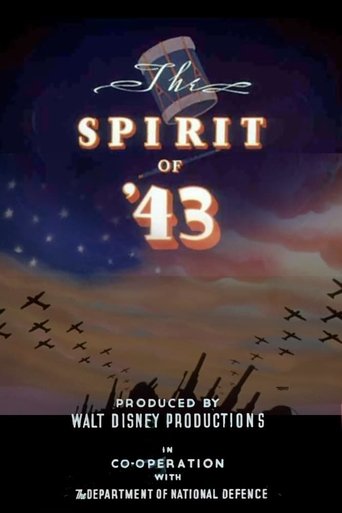
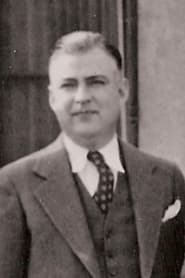
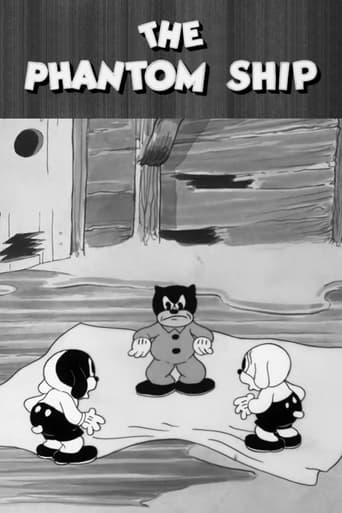
Jack King was an American film director best remembered for his work in animation, especially at Walt Disney Productions and later Warner Bros., where he helped shape some of the most recognizable animated shorts of the 1930s and early 1940s. Although his name does not carry the same public recognition as the stars or studio moguls of classic Hollywood, he was an important behind-the-scenes filmmaker whose directing helped define the tone, pacing, and comedic rhythm of studio-era animation. He is credited with directing The Phantom Ship (1936) and The Spirit of '43 (1943), the latter being one of the most well-known wartime Donald Duck cartoons and a notable example of Hollywood animation used for patriotic messaging during World War II. King worked in a period when cartoon direction required close collaboration with animators, story artists, musicians, and voice performers, and his films reflect the polished studio system approach of the era. His career is associated with the golden age of theatrical animated shorts, when Disney and other studios treated cartoons as a major part of the weekly cinema program. Surviving documentation about his personal life is limited, but his filmography places him among the significant craftspeople who helped build American animation into a dominant entertainment form.
More about Jack King
Behind the camera
Jack King’s directing style is best understood through the conventions of studio animation in the 1930s and early 1940s: brisk pacing, clear visual storytelling, broad comic timing, and precise synchronization of action with music and dialogue. His work, especially The Spirit of '43, shows a strong emphasis on didactic storytelling wrapped in character comedy, using familiar animated figures to communicate social messages in an accessible way. As a director in the Disney system, he would have overseen story development, gag construction, shot rhythm, and performance timing rather than functioning as an auteur in the live-action sense. The available evidence suggests a craftsmanlike, studio-driven approach focused on clarity, efficiency, and audience appeal.
In film history
Jack King’s cultural impact comes less from name recognition than from the films he helped bring to the screen at a crucial moment in Hollywood animation. The Spirit of '43 is especially important as a wartime cartoon that uses Donald Duck to encourage patriotic financial behavior, reflecting how animation was used as a public communication tool during World War II. His work belongs to the wider tradition in which animated shorts were not merely children’s entertainment but were part of the cultural machinery of the era, shown before features and seen by mass audiences in theaters. As a director working inside Disney’s studio system, King contributed to the refinement of the animated short as a polished blend of comedy, music, and message.
Later reputation
Jack King’s legacy is tied to the preservation of classic theatrical animation and to the role of short films in mid-20th-century moviegoing. While he may not be a household name, his work is historically meaningful because it represents the professional craftsmanship behind Disney’s wartime and pre-war output. The survival and continued circulation of films like The Spirit of '43 ensure that his contribution remains visible to scholars and animation enthusiasts studying how cartoons reflected American values, humor, and wartime attitudes. In film history, directors like King are essential to understanding how the studio system functioned collaboratively and how animation evolved into a sophisticated cinematic art form.
Influence
Jack King influenced the broader practice of animated short filmmaking through the disciplined studio methods he helped apply to Disney cartoons. His work contributed to the pacing, narrative economy, and character-based humor that became standard in theatrical animation, especially in films built around recurring characters like Donald Duck. Directors and story artists working in later animation eras inherited the template established by Disney-era short subjects: clear motivation, strong gag structure, and a balance between entertainment and message. Even without a large surviving biography, his films show the impact of directors who shaped the tone and structure of animation at a time when the form was still defining its identity.
Off screen
Very little reliably documented information is readily available about Jack King’s personal life, and major reference sources focused on classic film personnel do not consistently provide details about his family, marriages, or private background. He appears in film history primarily through his professional credits rather than through publicity or celebrity coverage, which is common for studio-era directors working in animation. Because of that, any detailed account of spouses, children, or domestic life would be speculative and is best left unfilled unless confirmed by archival sources.
Credits
- Directed The Phantom Ship (1936), part of the studio-era animated short subject tradition.
- Directed The Spirit of '43 (1943), a major wartime Donald Duck cartoon produced for wartime morale and public messaging.
- Worked during the peak years of theatrical animation in Hollywood, when shorts were a major feature of the cinema program.
- Contributed to the Disney animation pipeline in an era when directors were key creative supervisors over story, timing, and visual humor.
- Helped define the wartime tone of Disney shorts, balancing entertainment with patriotic instruction.
Films
- The Phantom Ship (1936)
- The Spirit of '43 (1943)
Collaborators
- Walt Disney animation team
- Donald Duck voice and story crews associated with Disney wartime shorts
- Studio animators and gag writers working on theatrical cartoon shorts
Studios
- Walt Disney Productions
- Warner Bros.
Notes
- Jack King is most strongly associated with animated short films rather than live-action features.
- The Spirit of '43 is one of the best-known Disney wartime Donald Duck cartoons.
- His credited work falls within the golden age of theatrical animation, when cartoons were programmed with feature films in cinemas.
- Because he worked behind the scenes, biographical information about him is comparatively scarce.
- His career illustrates how many important classic-Hollywood filmmakers were craftspeople whose names were less famous than the characters and studios they served.
- The Phantom Ship places him among directors active in the mid-1930s Disney short-subject era.
- His work is part of the long tradition of studio animation used for both entertainment and wartime messaging.
Questions
Who was Jack King?
Jack King was an American film director best known for directing animated shorts during the golden age of Hollywood. He is particularly remembered for The Spirit of '43 and The Phantom Ship, both of which place him within the classic Disney-era animation tradition.
What films is Jack King best known for?
He is best known for The Spirit of '43 (1943), a widely remembered wartime Donald Duck cartoon, and The Phantom Ship (1936). These titles are the key surviving credits tied to his name in classic cinema reference materials.
When was Jack King born and when did he die?
Reliable biographical records readily available in standard classic-film references do not clearly document Jack King’s birth or death dates. He is primarily known through his film credits rather than through a well-publicized personal biography.
What awards did Jack King win?
No major awards or nominations are reliably documented in the available historical record for Jack King. His recognition comes mainly from his contribution to important studio animated shorts rather than from individual award recognition.
What was Jack King's directing style?
Jack King’s directing style reflects classic studio animation: efficient storytelling, strong comic timing, and careful synchronization of image, music, and dialogue. His work was especially suited to short-form cartoons that needed to communicate quickly and clearly to theater audiences.
What was Jack King’s legacy in film history?
His legacy lies in the craftsmanship of Disney-era theatrical animation and in the use of cartoons as both entertainment and wartime messaging. Even though he is not a widely known celebrity, his work helped shape the tone and function of classic animated shorts during a defining period in Hollywood history.