
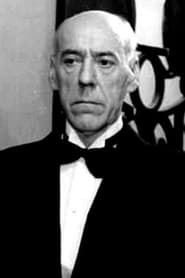
Max Elloy
Actor
Born: June 15, 1898 in Paris, France Died: January 16, 1971 Active: 1932-1971 Birth Name: Maxime Elloy
Films
1 film
About Max Elloy
Prolific French character actor: over four decades in French cinema, though he remains relatively unknown outside of his native country. Born in Paris in 1898, Elloy began his acting career during the transition from silent films to talkies, quickly establishing himself as a reliable supporting actor. His most internationally recognized role came in 1951 when he appeared in 'Utopia' (also known as 'Atoll K'), the final film starring comedy duo Laurel and Hardy. Throughout his career, Elloy specialized in playing minor but memorable characters - often portraying servants, clerks, shopkeepers, and other everyday figures that populated French films of the era. He worked with numerous prominent French directors and appeared in over 100 films, becoming a familiar face to French cinema audiences. Elloy continued acting well into the 1960s, transitioning to television roles as the medium gained popularity. His career exemplifies the journey of a working character actor who, while never achieving stardom, contributed significantly to the French cinema during its golden age.
The Craft
On Screen
Elloy was known for his naturalistic and understated acting style, bringing authenticity to everyday characters. He specialized in creating memorable minor characters through subtle gestures, expressions, and timing. His approach was rooted in the French theatrical tradition, emphasizing realism and emotional truth even in brief appearances. Elloy had a particular talent for comedic timing, often delivering deadpan humor that complemented the films' main narratives.
Milestones
- Film debut in early 1930s French cinema
- Appeared in Laurel and Hardy's final film 'Utopia' (1951)
- Worked with prominent French directors including Marcel Carné and Jean Renoir
- Transitioned successfully to television in the 1960s
- Accumulated over 100 film and television appearances throughout his career
Best Known For
Iconic Roles
Must-See Films
Accolades
Special Recognition
- Recognized as one of French cinema's most prolific character actors
- Honored in French film retrospectives for his contributions to national cinema
Working Relationships
Worked Often With
Studios
Why They Matter
Impact on Culture
Max Elloy represents the essential foundation of French cinema - the countless character actors who brought authenticity and depth to the films of the golden age. While never a star, his performances in over 100 films contributed to the overall quality and realism of French cinema during its most celebrated period. His work in 'Utopia' helped bridge French cinema with international audiences, demonstrating the global nature of film production even in the early 1950s. Elloy's career exemplifies how supporting actors create the rich, believable worlds that allow main characters to shine.
Lasting Legacy
Max Elloy's legacy lies in his contribution to the authenticity of French cinema during its golden age. As. His extensive filmography serves as a valuable record of French cinema's evolution from the 1930s through the 1960s. While individual roles may have been small, collectively they represent an important body of work that helped define the French cinematic aesthetic.
Who They Inspired
Elloy influenced subsequent generations of French character actors through his professional approach and the dignity he brought to even the smallest roles. His naturalistic style helped pave the way for the more realistic acting methods that would become prevalent in French cinema during the Nouvelle Vague. Younger actors studying his performances could learn the importance of authenticity and commitment regardless of role size.
Off Screen
Max Elloy maintained a relatively private personal life despite his extensive film career. He was known among colleagues as a dedicated professional who took his craft seriously, regardless of the size of his roles. Elloy never married and devoted his life entirely to his acting career, becoming a familiar presence in French theatrical and film circles. He was respected by his peers for his reliability and professionalism, often being called upon repeatedly by directors who valued his consistent performances.
Education
Educated in Paris, likely studied at French theatrical conservatories, though specific educational records are not well documented
Did You Know?
- Appeared in over 100 films throughout his 39-year career
- His role in 'Utopia' (1951) was one of his few international film appearances
- Never received top billing but was consistently employed by major French studios
- Worked during the Nazi occupation of France, as many French actors did
- Transitioned to television in his later years as film roles became scarcer
- Was particularly skilled at playing clerks, servants, and other working-class characters
- His performances were often uncredited despite his recognizable face
- Spoke multiple languages, which helped in international co-productions
- Was a member of French actors' unions throughout his career
- Continued working almost until his death in 1971
In Their Own Words
Every role, no matter how small, deserves the same respect and preparation.
Frequently Asked Questions
Who was Max Elloy?
Screen credits include over 100 films from the 1930s through the 1960s. He was best known for playing minor but memorable roles, particularly as servants, clerks, and shopkeepers in French cinema. His most internationally recognized work was in 'Utopia' (1951), the final film starring Laurel and Hardy.
What films is Max Elloy best known for?
Titles linked here include Utopia (1951), Le Quai des Brumes (1938).
When was Max Elloy born and when did he die?
Born June 15, 1898; died January 16, 1971.
What awards did Max Elloy win?
Max Elloy did not receive major awards or nominations during his career, which was typical for character actors of his era. However, he was recognized within the French film industry for his prolific contributions and reliability as a supporting actor, working consistently with major studios and directors throughout his career.
What was Max Elloy's acting style?
Max Elloy was known for his naturalistic and understated acting style, bringing authenticity to everyday characters. He specialized in creating memorable minor characters through subtle gestures and expressions, with a particular talent for comedic timing. His approach emphasized realism and emotional truth, rooted in the French theatrical tradition.