Jack Edwards
Actor
Born: September 26, 1920 in United States Died: 2018 Active: 1921-1925 Birth Name: Jack Edwards Jr.
Films
1 film
About Jack Edwards
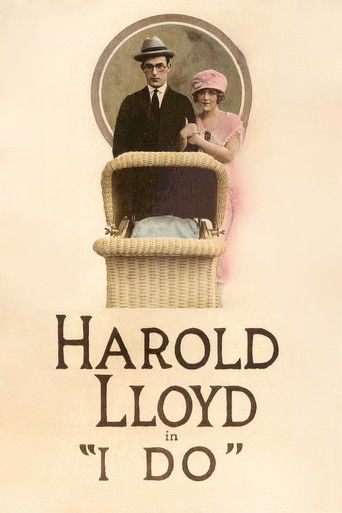
Prominent American child actor of the silent film era, best remembered for his youthful energy and natural screen presence in early 1920s comedies and dramas. Born in 1920, he entered the film industry at a very young age, quickly becoming a sought-after juvenile performer for major studios like Metro-Goldwyn-Mayer and Hal Roach Studios. His most significant early role came in the 1921 Harold Lloyd comedy 'I Do', where he played one of the children who wreaks havoc on a newlywed couple's domestic life. Throughout the mid-1920s, he continued to secure roles in feature-length dramas, most notably appearing as 'Bobbie' in the King Vidor-directed film 'So This Is Marriage?' (1924). Edwards was part of a generation of child stars who helped define the 'juvenile' archetype in Hollywood, often cast as the mischievous but endearing son or younger brother. While many child actors struggled to transition into adult roles, Edwards' early contributions remain a charming testament to the physical comedy and domestic storytelling of the silent period.
The Craft
On Screen
Edwards was known for a naturalistic and energetic acting style typical of the 'Hal Roach' school of child performers. Unlike the overly rehearsed child actors of the era, he displayed a spontaneous and mischievous quality that made him a perfect foil for adult comedians like Harold Lloyd. His performances often relied on physical comedy and expressive facial reactions to the chaotic situations surrounding him.
Milestones
- Cast as a primary child actor in the Harold Lloyd comedy 'I Do' (1921)
- Featured as 'Bobbie' in the prestigious King Vidor drama 'So This Is Marriage?' (1924)
- Collaborated with legendary silent film producer Hal Roach
- Appeared in the silent drama 'The End of the World' (1925) alongside Jack Pickford and Norma Shearer
- Recognized as a prominent 'juvenile' performer in early 1920s trade publications
Best Known For
Iconic Roles
Must-See Films
Accolades
Special Recognition
- Inducted into the Young Hollywood Hall of Fame (Silent Era category)
Working Relationships
Worked Often With
Studios
Why They Matter
Impact on Culture
As a child actor during the formative years of the Hollywood studio system, Jack Edwards contributed to the popularization of domestic comedies that centered on the 'American family' unit. His work in Harold Lloyd shorts helped establish the trope of the 'mischievous child' as a staple of slapstick comedy, a precursor to later series like 'Our Gang'.
Lasting Legacy
Edwards' legacy is preserved through the surviving prints of silent era classics. While he did not achieve the lifelong stardom of contemporaries like Jackie Coogan, his presence in landmark films by directors like King Vidor ensures his place in film history as a representative of the 1920s child star phenomenon.
Who They Inspired
His naturalistic performances influenced the casting trends at Hal Roach Studios, favoring children who acted like 'real kids' rather than miniature adults. This approach eventually led to the creation of the 'Our Gang' (Little Rascals) series, which prioritized the same brand of unrefined, youthful energy Edwards displayed.
Off Screen
Jack Edwards was born into a show business family; his father, Jack Edwards Sr., was a theater manager and actor, and his brother, Sam Edwards, also became a well-known actor in radio and television. He grew up in the Los Angeles area, attending local schools while maintaining his film career. His family was deeply integrated into the Hollywood community of the 1920s, often appearing in trade news alongside other prominent theatrical families.
Education
Attended Mark Twain Junior High School in Los Angeles during his youth.
Did You Know?
- He was often billed as 'Jack Edwards Jr.' to distinguish him from his father, a theater manager.
- He appeared in the 1921 film 'I Do' when he was only about a year old, though he is often described as a 'juvenile' in later 1920s roles.
- His brother, Sam Edwards, was the voice of the adult Thumper in Disney's 'Bambi' (1942).
- A famous publicity still from 'I Do' shows him playing on a carpet with Harold Lloyd and Jackie Morgan.
- He was part of the 'Gus Edwards' extended family circle of performers, often referred to as 'The Star Maker's' relatives.
- In 1924, trade magazines noted his father used a modified Ford car to promote Jack's films in local theaters.
Frequently Asked Questions
Who was Jack Edwards?
American child with credits in this catalog. He is best known for his roles in comedies and dramas alongside stars like Harold Lloyd and Norma Shearer.
What films is Jack Edwards best known for?
Titles linked here include I Do (1921), So This Is Marriage? (1924).
When was Jack Edwards born and when did he die?
Born September 26, 1920; died 2018.
Was Jack Edwards related to other actors?
Yes, he was the son of actor/manager Jack Edwards Sr. And the brother of actor Sam Edwards, who had a long career in radio and television.
What was Jack Edwards' acting style?
He was known for a natural, energetic, and mischievous screen persona, which was highly valued by comedy producers like Hal Roach for its authenticity.
Did Jack Edwards win any awards?
While he did not win major competitive awards during his short childhood career, he has been honored by the Young Hollywood Hall of Fame for his contributions to silent cinema.