
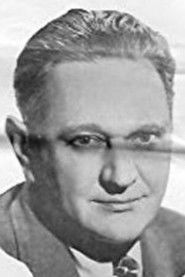
Zion Myers
Actor & Director
- Active
- 1930-1931
Films 2
About Zion Myers
Zion Myers was a short-subject filmmaker and screen performer active during the earliest years of the sound era, best remembered for his work on comedy shorts featuring dogs in humanlike situations. His credited screen career, as currently documented, is extremely brief and centered on The Dogway Melody (1930) and So Quiet on the Canine Front (1931), both examples of the novelty animal-comedy trend that flourished in early talkies. Myers is notable as both director and performer on The Dogway Melody, a parody of contemporary musical and backstage picture conventions that used canine performers and gag-driven staging to create a whimsical, self-aware comedy. His follow-up appearance in So Quiet on the Canine Front suggests that he remained associated with this specialized comic niche during 1931, though surviving public information about his broader career is scarce. Because he worked in an era when short subjects were often less thoroughly documented than feature films, many personal details about his life have not survived in standard film-reference sources. What is clear is that Myers contributed to a playful and highly specific corner of early Hollywood comedy, helping shape a style of anthropomorphic satire that appealed to Depression-era audiences. He remains an obscure but interesting figure in classic cinema history, chiefly of interest to historians of novelty shorts, early sound comedy, and animal performance on film.
More about Zion Myers
On screen
No detailed record of Zion Myers's personal performance technique survives in mainstream reference sources. Based on the nature of the films associated with him, his screen presence appears to have been tied to broad, gag-based comedy in short-form productions rather than subtle character acting. The material in which he worked depended on timing, visual wit, and the comic contrast between human and canine behavior, suggesting a style suited to ensemble novelty rather than star-driven dramatic performance.
Behind the camera
Myers's directing, as evidenced by The Dogway Melody, seems to have favored parody, brisk pacing, and visual humor built around imitation of contemporary Hollywood genres. The film's concept indicates an approach rooted in affectionate spoofing, with the director using dogs and stylized staging to echo the look and rhythm of popular musical films. His style, insofar as it can be inferred from the surviving record, was lightweight, inventive, and tailored to the short-subject form where novelty and immediate comic recognition were essential.
In film history
Zion Myers's cultural importance lies less in widespread fame than in the particular kind of early sound comedy he helped represent. The films associated with him belong to a brief but fascinating moment when Hollywood was experimenting with novelty shorts, parody, and the use of animals as stand-ins for human characters in popular film formulas. The Dogway Melody is especially emblematic of the period's playful adaptation of current trends, demonstrating how quickly the industry turned major musical styles and backstage conventions into comic material. Even though Myers himself is not a household name, his work helps document the range of experimentation that characterized the transition from silent cinema to sound and the many forms comedy took outside the feature-film mainstream.
Later reputation
Myers's legacy is that of an obscured early sound-era artisan whose surviving credits preserve a small but vivid slice of film history. He stands as an example of the many filmmakers and performers whose work survives in title references and occasional prints, even when their personal biographies are thinly recorded. For historians, his name is useful because it connects two important strands of classic cinema: short-subject production and animal-comedy parody. The enduring interest of The Dogway Melody and related titles ensures that Myers remains part of the historical record of early talkies, especially among scholars who study novelty formats and genre spoofing.
Influence
There is no evidence that Zion Myers directly mentored major later stars or directors, but his work contributed to the broader language of parody and novelty comedy in early Hollywood. The sort of gag construction seen in his credited films influenced later comic shorts and inspired the continuing use of animals, anthropomorphic humor, and mock-genre storytelling in film and television. His impact is best understood indirectly: by participating in these experiments, he helped sustain a tradition of playful genre imitation that would reappear repeatedly in screen comedy.
Off screen
No reliable, widely documented information about Zion Myers's personal life has surfaced in standard classic-film reference materials. His marriages, family background, and private life are not well preserved in the commonly accessible historical record. This lack of biographical detail is not unusual for short-subject players and behind-the-camera figures from the early sound period, especially those whose careers were brief or specialized. As a result, any fuller account of his personal life would require archival research beyond the current verified film-reference record.
Credits
- Directed The Dogway Melody (1930), a notable early sound-era parody short centered on canine performers.
- Appeared on screen in The Dogway Melody (1930) and So Quiet on the Canine Front (1931).
- Worked within the short-subject comedy tradition that used satire, gags, and animal performers to mimic popular feature-film formulas.
- Participated in one of the era's more memorable novelty-comedy concepts, combining musical parody with animal-based visual humor.
- Represents a small but distinctive link in the history of early Hollywood novelty shorts and anthropomorphic comedy.
Roles
- Performer in The Dogway Melody (1930)
- Performer in So Quiet on the Canine Front (1931)
Films
- The Dogway Melody (1930)
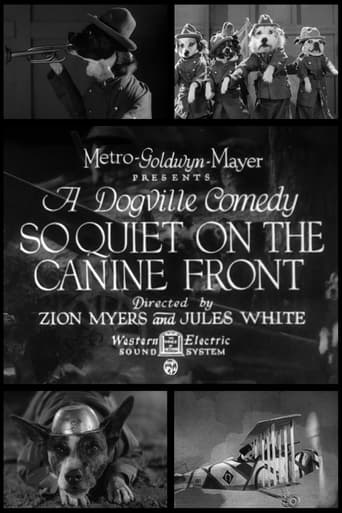
- So Quiet on the Canine Front (1931)
Collaborators
- Unknown
Studios
- Unknown
Notes
- Zion Myers is chiefly associated with a dog-centered parody short rather than feature films.
- The Dogway Melody is a punning title that echoes the popularity of musical films of its era.
- His known screen activity is concentrated in just two years, 1930 and 1931.
- He is credited as both director and performer on The Dogway Melody.
- His surviving filmography suggests he worked in the short-subject comedy format, which was especially common in early sound cinema.
- Information about his birth, death, and private life is not readily available in standard film references.
- His career illustrates how many early film workers remain underdocumented despite having distinctive screen credits.
- The canine-comedy premise of his best-known film reflects the early Hollywood fascination with novelty acts and comic imitation.
- He should not be confused with similarly named individuals from other periods or professions.
- His work is of particular interest to collectors and historians of obscure early talkie shorts.
Questions
Who was Zion Myers?
Zion Myers was a little-documented early sound-era film personality known as both an actor and director. He is best remembered for his involvement with novelty comedy shorts, especially The Dogway Melody (1930), a canine parody of contemporary musical films.
What films is Zion Myers best known for?
He is best known for The Dogway Melody (1930) and So Quiet on the Canine Front (1931). These short films reflect the playful, parody-driven comedy style of early talkies.
When was Zion Myers born and when did he die?
His birth date and death date are not readily documented in the standard classic-film record. Available filmography confirms activity only in 1930 and 1931, but reliable biographical details such as birthplace and lifespan are currently unavailable.
What awards did Zion Myers win?
No awards or major nominations are currently documented for Zion Myers in the available historical record. His significance is primarily historical and filmographical rather than award-based.
What was Zion Myers's directing style?
Based on The Dogway Melody, his directing style appears to have emphasized parody, brisk comic timing, and visual novelty. He worked in short-form entertainment that depended on immediate audience recognition, gag construction, and satirical imitation of popular film trends.
What is Zion Myers's legacy in film history?
His legacy is tied to early sound-era novelty comedy and the use of animals in parody films. While obscure today, his work helps illustrate how inventive and varied early Hollywood short subjects could be.
Was Zion Myers a major Hollywood star?
No, he does not appear to have been a major star, and surviving records suggest a brief, specialized career. However, his credits make him a noteworthy figure for historians interested in rare early talkies and short-subject comedy.