1931 · Approximately 20 minutes

Also available on: Wikimedia
So Quiet on the Canine Front

So Quiet on the Canine Front

1931 Approximately 20 minutes United States
Military satireParody of war filmsTransformation from naïveté to veteran toughnessHeroism mocked through slapstickBrotherhood and rescue

Plot

During an anatomy class, a group of young men are interrupted by news that war has broken out, and the sudden shift from student life to military service sends them scrambling to enlist. They are sent to Camp Poodle, where the rigors of rookie training gradually harden them into seasoned soldiers, even as shells burst around them and chaos reigns. One of the recruits, Barker, volunteers for a particularly dangerous mission, disguising himself as a nurse in order to slip behind enemy lines and gather intelligence on troop movements. He is captured and sentenced to death, forcing his fellow Airdale soldiers to mount a rescue effort. The film plays this comic wartime adventure as a parody of military melodramas, with escalating slapstick, dog-themed wordplay, and a mock-heroic rescue climax.

About the Production

Release Date 1931
Production Educational Pictures
Filmed In United States, likely studio backlot production; specific location records are not readily documented

So Quiet on the Canine Front was made as a short comedy in the early sound era, when studios frequently produced topical parodies that riffed on popular war pictures and public fascination with military themes. It was directed by Jules White, who was working in short-form comedy before becoming closely associated with the Three Stooges, and it reflects the brisk, gag-driven style typical of Educational Pictures releases. The film is part of the wave of early 1930s comic spoofs that used canine puns and military satire to capitalize on titles like All Quiet on the Western Front. Precise budget, negative cost, and surviving production paperwork are not readily documented in commonly accessible reference sources.

Historical Background

The film was made in 1931, at a moment when Hollywood was still adapting to synchronized sound and experimenting with what types of comedy worked best in the new medium. Early 1930s audiences were still highly responsive to topical parody, and war films had become especially ripe for spoofing after the worldwide impact of All Quiet on the Western Front and other conflict dramas. The Great Depression also shaped entertainment habits, making short, inexpensive theatrical comedies a valuable part of double bills and program fillers. In that context, So Quiet on the Canine Front reflects both the industry’s commercial need for short-form content and the era’s appetite for fast, recognizable satire. Its use of military parody and animal caricature also shows how pre-Code comedy often pushed into broad, irreverent territory before later censorship pressures tightened.

Why This Film Matters

While not a major title in film history, So Quiet on the Canine Front is culturally interesting as an artifact of early sound-era parody and the short-subject comedy ecosystem. It demonstrates how quickly Hollywood adapted famous contemporary titles into comic spoofs, turning cultural prestige into punchline material. The film also offers an early glimpse of Jules White’s comic sensibility, which would later shape some of the most enduring slapstick shorts in American cinema. For historians, the short is valuable as evidence of the variety and experimentation that existed outside the feature-film canon during the early 1930s. It also belongs to a broader tradition of war satire that used absurdity and animal allegory to deflate martial heroics.

Making Of

So Quiet on the Canine Front was produced in the fertile but fast-moving world of early talking-picture shorts, where directors like Jules White had to stage comedy with speed, economy, and maximum topical appeal. The film appears to have been assembled under the production model used by Educational Pictures, which specialized in short comedies, musical subjects, and novelties rather than prestige features. Its dog-themed setting and parody of a famous war title suggest a deliberate attempt to attract audiences with a recognizable cultural reference while keeping the tone light and broadly comic. Since records on casting, locations, and production paperwork are sparse, much of the behind-the-scenes story is inferred from the house style of the company and the working methods of early short-subject comedy production.

Visual Style

The cinematography would have been functional and stage-oriented in keeping with early sound short production, emphasizing clear framing, readable physical gags, and efficient coverage rather than elaborate camera movement. Early 1930s shorts were often photographed in static or minimally mobile setups because sound recording equipment constrained staging and post-synchronization options. The film likely relies on straightforward compositions that keep the action legible and allow the comic business to play in medium shots and full shots. Any visual humor would have come less from expressive camerawork than from performance, costume design, and the absurdity of the military-and-canine premise.

Innovations

The film does not appear to be associated with major technical innovations, but it is historically notable as an early talking-picture comedy short that integrates sound effects, dialogue, and visual slapstick. The challenge of coordinating comic timing with the relatively new sound recording process is itself an important technical context. Like many shorts of the period, it demonstrates how filmmakers adapted theatrical-style gag construction to the constraints and opportunities of sound cinema. Its chief technical value lies in its efficient early-1930s sound comedy craft rather than in innovation.

Music

No separately credited musical score is readily documented in surviving mainstream references. As an early sound short, the film would have used synchronized dialogue, effects, and possibly stock or theater-applied musical accompaniment depending on its release version and exhibition practices. The comedy likely depended heavily on sound effects for shelling, marching, and other military cues, along with dialogue-based puns. Detailed cue sheets or scoring records have not been widely circulated in accessible sources.

Memorable Scenes

  • The anatomy class interruption, where ordinary academic life is abruptly replaced by news of war breaking out.
  • The comic enlistment and transfer to Camp Poodle, which establishes the film's dog-themed military universe.
  • The recruits' gradual hardening under shelling, turning frightened rookies into unnervingly calm veterans within a week.
  • Barker's absurd undercover mission, in which he disguises himself as a nurse to infiltrate enemy lines.
  • The capture and death sentence sequence, which plays melodrama for laughs before the Airdale Army launches its rescue attempt.

Did You Know?

  • The title is a direct parody of All Quiet on the Western Front, one of the most famous anti-war films of the era.
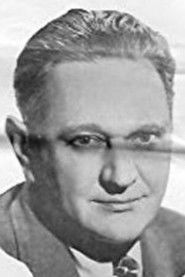
  • It was directed by Jules White, who later became one of the key creative figures behind the Columbia Three Stooges shorts.
  • The film is one of several early 1930s comedy shorts that used animal puns, especially dog-related military names, for satirical effect.
  • Zion Myers and Jules White are credited in the cast, reflecting the unusual practice of some early short comedies featuring filmmakers or producers in onscreen roles.
  • The film's military units and character names, such as Camp Poodle and the Airdale Army, are deliberately playful dog-themed wordplay.
  • It belongs to a period when sound comedy shorts often relied on topical parody rather than elaborate plots.
  • Like many shorts from Educational Pictures, it was produced as a compact theatrical filler rather than as a feature presentation.
  • The film is a rare example of pre-Code comedy riffing on war and heroism through broad slapstick rather than dramatic satire.
  • Because it is an early sound-era short, surviving documentation is limited compared with later studio features, making exact production details harder to verify.
  • Its humor mixes military caricature, espionage spoofing, and rescue-adventure parody in a style common to early 1930s short subjects.

What Critics Said

Contemporary critical coverage of minor short subjects like this was often limited, and specific surviving reviews for So Quiet on the Canine Front are not widely documented in accessible modern reference sources. In its own time, the film would have been evaluated primarily as a support short, judged on its ability to deliver quick laughs rather than on artistic ambition. Modern appraisal generally treats it as a curiosity of early sound comedy and a useful example of Jules White’s pre-Stooges work. Its historical value today is less about acclaim and more about its place within the production history of early short-form satire and parody.

What Audiences Thought

Audience reception data for this short is not readily available in surviving records, which is common for many early 1930s comedy subjects. It was likely received as a light novelty designed to entertain theatergoers between more substantial attractions. The film’s broad puns, war spoofing, and fast-paced slapstick were aimed at general audiences familiar with both military iconography and contemporary anti-war film culture. Today, it is mainly of interest to classic-film enthusiasts, historians of short subjects, and viewers exploring early work by Jules White.

Film Connections

Influenced By

  • All Quiet on the Western Front (1930)
  • early sound-era short comedies
  • silent-era military farce and parody shorts

This Film Influenced

  • Later military spoofs and parody shorts
  • Jules White's later slapstick short-subject work

Film Restoration

Preservation status is not clearly documented in the sources readily available. The film appears to survive in some form and is referenced in film databases, but detailed restoration or archive holdings are not widely publicized. It should be treated as an extant early short subject with incomplete documentation rather than a heavily restored title.

Themes & Topics

war spoofdog punsarmy trainingundercover missioncapturerescue attempt