Films
1 film
About John W. Noble
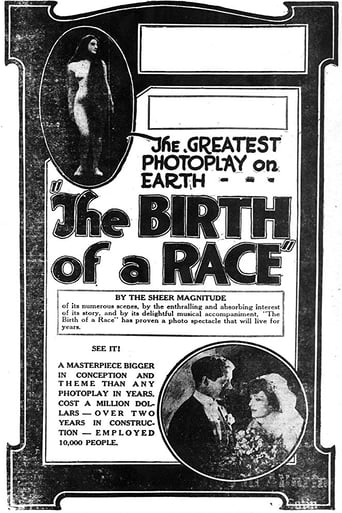
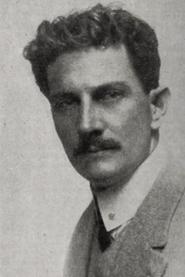
Film director active during the silent era, known primarily for directing 'The Birth of a Race' in 1918. This film was created as a direct response to D.W. Griffith's controversial 'The Birth of a Nation' (1915), aiming to present a more positive and dignified portrayal of African Americans. Noble's involvement in this significant early civil rights film represents his most notable contribution to cinema history. The production was backed by African American entrepreneur Emmett J. Scott and marked one of the earliest attempts by Black filmmakers to counter negative stereotypes in mainstream cinema. Despite the historical importance of his only known work, very little information survives about Noble's personal life, career background, or other potential projects. His directorial effort on this film places him as an important, if obscure, figure in early American cinema's attempts at racial representation.
The Craft
Behind the Camera
Social consciousness, focused on racial representation and counter-narratives to mainstream stereotypes
Milestones
- Directed 'The Birth of a Race' (1918), an early response to 'The Birth of a Nation'
Best Known For
Must-See Films
Working Relationships
Worked Often With
Studios
Why They Matter
Impact on Culture
John W. Noble's 'The Birth of a Race' represents an important early attempt at counter-cinema, directly challenging the racist portrayals in D.W. Griffith's 'The Birth of a Nation.' Though the film itself faced numerous production difficulties and was not commercially successful, it stands as a significant milestone in African American cinema history and early civil rights efforts through film. The project demonstrated the importance of representation behind the camera as well as in front of it, with Black producers having creative control over their own narrative.
Lasting Legacy
John W. Noble's legacy is tied almost exclusively to 'The Birth of a Race,' which, despite its flaws and limited success, represents an important early effort by African Americans to control their own cinematic representation. The film is studied today as an example of early Black cinema and the struggle against racist Hollywood stereotypes. While Noble himself remains an obscure figure, his contribution to this effort places him within the broader narrative of civil rights and representation in American film history.
Who They Inspired
As a director of one of the earliest Black-produced feature films responding to Hollywood racism, Noble's work influenced subsequent generations of African American filmmakers who sought to tell their own stories. The very existence of 'The Birth of a Race' helped pave the way for later Black cinema movements, including the 'race films' of the 1920s-1940s and eventually the Blaxploitation era and contemporary Black cinema.
Off Screen
Very little information survives about John W. Noble's personal life, family, or background beyond his work as a director in 1918.
Did You Know?
- 'The Birth of a Race' was produced with a budget of $100,000, a substantial amount for an independent film in 1918
- The film was originally intended to be a grand epic spanning centuries of African American history
- Production was plagued by financial difficulties and creative disputes
- The final film was much shorter and less ambitious than originally planned
- Very few copies of the film survive today, making it a rare piece of cinema history
- The film was one of the first major productions to be financed and produced by African Americans
- Despite its historical importance, the film was not a commercial success
- John W. Noble appears to have no other known directing credits
- The film featured both white and Black actors in leading roles
Frequently Asked Questions
Who was John W. Noble?
Silent on YTB.my.W. Griffith's controversial 'The Birth of a Nation'.
What films is John W. Noble best known for?
Titles linked here include The Birth of a Race (1918).
When was John W. Noble born and when did he die?
Unfortunately, specific birth and death dates for John W. Noble are not known, as he was an obscure figure from early cinema with limited surviving biographical information.
What awards did John W. Noble win?
There are no known awards or honors received by John W. Noble, likely due to the limited commercial success of his work and the obscurity of his career.
What was John W. Noble's directing style?
While little is known about his broader directing style, his work on 'The Birth of a Race' demonstrates a focus on social consciousness and racial representation, aiming to counter negative stereotypes prevalent in mainstream cinema of the era.
Why is 'The Birth of a Race' historically significant?
'The Birth of a Race' is historically significant as one of the earliest feature films produced by African Americans attempting to control their own cinematic representation and directly challenge the racist portrayals in D.W. Griffith's 'The Birth of a Nation'.