
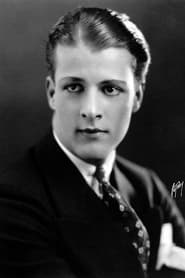
Barry Norton
Actor
Born: June 16, 1905 in Buenos Aires, Argentina Died: August 24, 1956 Active: 1925-1956 Birth Name: Alfredo Carlos Birabén
Films
1 film
About Barry Norton
Barry Norton was born Alfredo Carlos Birabén in Buenos Aires, Argentina, and rose to prominence as a handsome leading man during the silent film era. After moving to Hollywood in the mid-1920s, he quickly established himself as a versatile actor, appearing in numerous silent films including the acclaimed war drama 'What Price Glory' (1926) directed by Raoul Walsh. Norton successfully transitioned to talkies in the late 1920s and early 1930s, though his accent limited his leading man potential in American films. He became a prolific character actor, appearing in over 150 films throughout his career, often playing romantic leads, supporting roles, and occasionally villainous characters. Norton worked with major stars of the era including Greta Garbo, Joan Crawford, and Clark Gable. His three decades, from silent films through the Golden Age of Hollywood, though his prominence waned in the 1940s. He continued working in smaller roles until his death in 1956, leaving behind a substantial body of work that exemplifies the journey of many silent-era actors who adapted to the changing film industry.
The Craft
On Screen
Norton was known for his charismatic screen presence and romantic leading man qualities during the silent era. His acting style was typical of the period - expressive and dramatic, with emphasis on facial expressions and body language to convey emotion. In talkies, his smooth delivery and Latin charm made him popular in romantic roles, though his Argentine accent sometimes typecast him in ethnic character parts.
Milestones
- Breakthrough role in 'What Price Glory' (1926)
- Successful transition from silent films to talkies
- Over 150 film appearances spanning three decades
- Work with major Hollywood studios including MGM and Paramount
- Leading man roles opposite major female stars of the era
Best Known For
Iconic Roles
Must-See Films
Accolades
Special Recognition
- Star on the Hollywood Walk of Fame (contributions to motion pictures)
Working Relationships
Worked Often With
Studios
Why They Matter
Impact on Culture
Barry Norton represented the internationalization of Hollywood during the silent era, being one of the few Latin American actors to achieve leading man status in American films. His successful transition from silent films to talkies, despite his accent, demonstrated the adaptability required of actors during this technological transition. Norton's career exemplified both the opportunities and limitations faced by foreign-born actors in Golden Age Hollywood, often typecast in ethnic roles despite his talent and leading man looks.
Lasting Legacy
Though not as widely remembered as some of his contemporaries, Norton's extensive filmography provides valuable documentation of Hollywood's transition from silent to sound cinema. His work in over 150 films makes him. Norton's journey from Argentine immigrant to Hollywood leading man serves as an inspiration for international actors seeking careers in American cinema.
Who They Inspired
Norton paved the way for other Latin American actors in Hollywood, demonstrating that foreign-born performers could succeed in American films. His ability to work across different genres and adapt to changing technologies influenced subsequent generations of character actors. His career showed the importance of versatility and adaptability in an industry undergoing rapid technological and cultural changes.
Off Screen
Barry Norton married actress Natalie Moorhead in 1932, though the marriage ended in divorce. He was known for his social connections within Hollywood's Latin American community and often served as a bridge between Hollywood and South American film industries. Despite his extensive film career, Norton maintained a relatively private personal life away from the spotlight. He struggled with health issues in his later years and died of a heart attack at age 51.
Education
Limited formal education; trained in acting after moving to the United States
Family
- Natalie Moorhead (1932-1937)
Did You Know?
- Born Alfredo Carlos Birabén, he changed his name to Barry Norton for his Hollywood career
- He was discovered by director Raoul Walsh while working as a model in Los Angeles
- Spoke fluent Spanish, English, French, and Italian
- Appeared in both American and European films throughout his career
- Was one of the few actors to successfully transition from leading man roles to character actor status
- His role in 'What Price Glory' was originally much larger but was cut in the final edit
- He served as a cultural ambassador between Hollywood and South American film industries
- During World War II, he entertained troops and made war bond appearances
- He was considered for the role of Rhett Butler in 'Gone with the Wind' but lost to Clark Gable
- His final film appearance was in 'The Ten Commandments' (1956), released after his death
In Their Own Words
In silent films, your eyes had to do all the talking. In talkies, you had to learn to listen with your face.
Hollywood was a dream factory, and for a boy from Buenos Aires, it was the greatest dream of all.
Frequently Asked Questions
Who was Barry Norton?
Argentinian-American with credits in this catalog. Born Alfredo Carlos Birabén in Buenos Aires, he appeared in over 150 films and was known for his leading man roles in silent films and later as a versatile character actor.
What films is Barry Norton best known for?
Titles linked here include What Price Glory (1926), The Merry Widow (1925).
When was Barry Norton born and when did he die?
Born June 16, 1905; died August 24, 1956.
What awards did Barry Norton win?
While Barry Norton did not receive major acting awards during his career, he was honored with a star on the Hollywood Walk of Fame for his contributions to motion pictures.
What was Barry Norton's acting style?
Norton's acting style evolved from the dramatic, expressive style typical of silent film actors to a more naturalistic approach in talkies. He was known for his romantic leading man qualities, charismatic screen presence, and ability to adapt to both silent and sound film requirements.
How did Barry Norton transition from silent films to talkies?
Norton successfully transitioned to talkies despite his Argentine accent, which sometimes limited his leading man potential. He adapted by taking on character roles and leveraging his multilingual abilities, appearing in both American and international productions throughout the 1930s and 1940s.
What was Barry Norton's impact on Hollywood?
Norton — pioneer for Latin American actors in Hollywood, demonstrating that foreign-born performers could achieve success in American films. His extensive career spanning the silent era through the Golden Age exemplified the adaptability required of actors during Hollywood's major technological and cultural transitions.