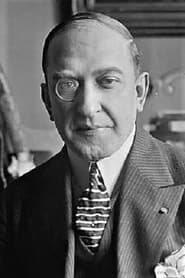
Andrés de Segurola
Actor
Born: March 16, 1874 in Valencia, Spain Died: January 23, 1953 Active: 1895-1950 Birth Name: Andrés Perelló de Segurola
Films
1 film
About Andrés de Segurola
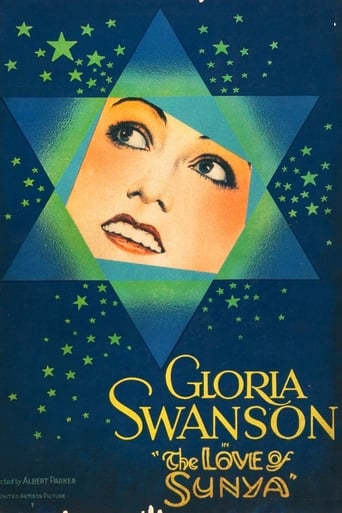
Renowned Spanish baritone opera singer who achieved international fame during the early 20th century before transitioning into film. Born in Valencia, Spain, he began his operatic career in Europe before gaining prominence at the Metropolitan Opera in New York, where he performed for over two decades. His powerful voice and commanding stage presence made him sought-after baritones of his generation, performing alongside singers like Enrico Caruso. During the transition from silent to sound films, his operatic background made him valuable to Hollywood studios seeking performers with trained voices. His film career was brief but notable, including his appearance in 'The Love of Sunya' (1927) starring Gloria Swanson. After his film appearances, he returned primarily to opera and teaching, eventually retiring to Spain where he continued to influence young singers. His multiple entertainment mediums, making him a unique figure who bridged the worlds of classical opera and early cinema.
The Craft
On Screen
As an opera singer transitioning to film, de Segurola brought theatrical gravitas and dramatic presence to his screen performances. His background in grand opera informed his acting with heightened emotional expression and commanding stage presence, typical of the transition period from silent to sound films where theatrical training was valued.
Milestones
- Debut at La Scala in Milan (1901)
- Joined Metropolitan Opera in New York (1901)
- Performed in over 500 opera performances at the Met
- Appeared in early sound films including 'The Love of Sunya' (1927)
- Served as vocal coach for Hollywood studios
- Taught at the Juilliard School
Best Known For
Iconic Roles
Must-See Films
Accolades
Won
- Encomienda de la Orden de Alfonso X el Sabio (Spanish cultural honor)
Special Recognition
- Star on Hollywood Walk of Fame for Recording
- Member of the Metropolitan Opera Hall of Fame
- Honored by the Spanish government for contributions to cultural arts
Working Relationships
Worked Often With
Studios
Why They Matter
Impact on Culture
Andrés de Segurola played a significant role in bridging classical opera and early cinema, helping to legitimize the transition from silent to sound films through his operatic credentials. His success as a Spanish artist in American cultural institutions helped pave the way for future international performers in both opera and film. During the early sound era, his expertise was invaluable to Hollywood studios seeking performers with trained voices, contributing to the technical and artistic development of sound recording in cinema.
Lasting Legacy
De Segurola's legacy endures through his extensive opera recordings and the many singers he trained throughout his teaching career. He represents an important transitional figure in entertainment history, embodying the shift from classical performing arts to mass media entertainment. His performances at the Metropolitan Opera helped establish the standard for operatic baritone singing in the early 20th century, while his film appearances documented the crucial period when cinema found its voice.
Who They Inspired
His vocal technique and dramatic interpretation influenced generations of opera singers, particularly in the Spanish and Italian repertoire. As one of the first opera stars to appear in films, he helped establish the precedent for classical performers crossing over into cinema. His teaching at Juilliard and private coaching sessions influenced both opera singers and early film actors, contributing to the development of vocal performance techniques in both mediums.
Off Screen
Andrés de Segurola married twice during his lifetime. His first marriage was to María Teresa Sagnier, with whom he had children. After her death, he remarried later in life. He maintained homes in both New York and Spain, reflecting his international career. Despite his fame, he was known as a private individual who preferred to focus on his art rather than social celebrity. His later years were spent teaching and mentoring young singers in Spain.
Education
Studied at the Madrid Royal Conservatory, trained under prominent vocal coaches in Italy and Spain
Family
- María Teresa Sagnier (1898-1920)
- Second wife's name not widely documented (1930s-1953)
Did You Know?
- Was one of the first opera singers to make successful recordings for the phonograph
- Spoke five languages fluently, which enhanced his international opera career
- Performed at the White House for President Theodore Roosevelt
- His operatic debut was in Barcelona before achieving international fame
- Made over 100 acoustic recordings during the early 20th century
- Was a close friend and colleague of Enrico Caruso at the Met
- Helped establish opera as a popular art form in America through his Met performances
- Served as a cultural ambassador between Spain and the United States
- His vocal range and technique were studied by singers worldwide
- Transitioned successfully from acoustic to electrical recording technology
In Their Own Words
The voice is not merely an instrument, but the very soul of the performer made audible
Opera and cinema are not so different - both require the heart to speak louder than words
To sing is to breathe life into poetry; to act is to breathe truth into character
Frequently Asked Questions
Who was Andrés de Segurola?
Renowned Spanish baritone opera singer who also appeared in early films. He was best known for his long career at the Metropolitan Opera in New York and his brief but notable appearances in early sound cinema, including 'The Love of Sunya' (1927).
What films is Andrés de Segurola best known for?
Titles linked here include The Love of Sunya (1927).
When was Andrés de Segurola born and when did he die?
Born March 16, 1874; died January 23, 1953.
What awards did Andrés de Segurola win?
He received the Encomienda de la Orden de Alfonso X el Sabio, a prestigious Spanish cultural honor, and was posthumously inducted into the Metropolitan Opera Hall of Fame. He also received a star on the Hollywood Walk of Fame for his recording contributions.
What was Andrés de Segurola's singing style?
De Segurola was known for his powerful baritone voice, dramatic interpretation, and technical mastery. His style combined Spanish passion with Italian bel canto technique, making him particularly suited for roles requiring both vocal power and emotional depth.