Films
2 films
About Julia Stuart
American actress who worked briefly during the days of silent cinema in 1912. Her career, though remarkably short, coincided with a transformative period in filmmaking when the industry was still establishing its conventions and stars. Julia appears in at least two significant productions from that year, including the historically notable 'Saved from the Titanic,' which was rushed into production mere months after the actual maritime disaster. Her role in 'Robin Hood' (1912) placed her among the early actors to bring the outlaw to the silver screen. Like many performers from this embryonic era of cinema, Stuart's filmography was limited, and she appears to have left the industry after 1912. The lack of extensive documentation about her life and career is typical of actors from this period, when film was still considered a lesser art form and many performers did not achieve lasting recognition. Her brief appearance in film history represents the countless forgotten talents who contributed to cinema's earliest days.
The Craft
Milestones
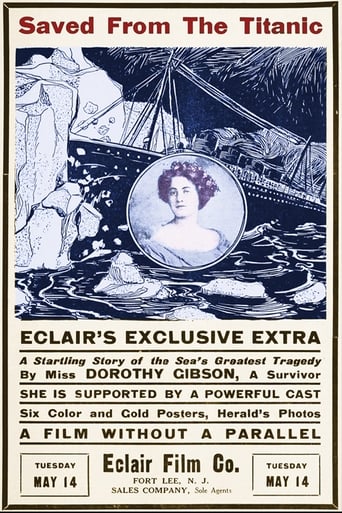
- Appeared in 'Saved from the Titanic' (1912), one of the earliest films about the Titanic disaster
- Participated in 'Robin Hood' (1912), an early silent adaptation of the classic tale
- Worked during the foundational period of American silent cinema
Best Known For
Must-See Films
Why They Matter
Impact on Culture
Julia Stuart's cultural impact, while minimal due to her brief career, is representative of the countless early film pioneers who contributed to cinema's development during its formative years. Her participation in 'Saved from the Titanic' connects her to one of the earliest examples of cinema's rapid response to contemporary events, demonstrating how quickly the new medium began to reflect and process major world events. As an actress in 1912, she was part of the transitional generation of performers who helped establish the conventions of silent film acting before the star system was fully developed. Her story illustrates the ephemeral nature of early film fame and how many talented individuals from cinema's first decades have been lost to history.
Lasting Legacy
Julia Stuart's legacy exists primarily as a representative figure of the countless anonymous actors who populated early silent films. While she did not achieve lasting fame or recognition, her contributions to these early productions helped establish the foundation of American cinema. The films she appeared in, particularly 'Saved from the Titanic,' remain historically significant as examples of early 20th century filmmaking and cinema's immediate engagement with contemporary events. Her brief career serves as a reminder of the transient nature of early film stardom and the vast number of performers whose work has been largely forgotten despite their role in cinema's development.
Who They Inspired
Due to the brevity of her career and the lack of documentation about her work, Julia Stuart's direct influence on subsequent actors or filmmakers cannot be determined. However, as part of the early generation of film actors, she contributed to the development of acting techniques for the silent medium. Her participation in early productions helped establish precedents that future actors would build upon, even if her specific contributions have been lost to time.
Off Screen
Very little is documented about Julia Stuart's personal life, which is common for actors from the very early silent era who had brief careers. Like many performers from this period, detailed biographical information was not systematically recorded, and she appears to have faded into obscurity after her short stint in films.
Did You Know?
- Appeared in films during the very early days of Hollywood, when the industry was still centered in New York and New Jersey
- 'Saved from the Titanic' was filmed just months after the actual disaster, making it one of cinema's first 'ripped from the headlines' productions
- 1912 was a pivotal year in cinema, with the industry transitioning from short films to longer feature-length productions
- Like many actors of this period, she likely came from a theater background, as film acting had not yet developed its own techniques
- Her active years covered only one year, which was not uncommon for early film actors who tried the medium briefly before returning to other professions
- The lack of extensive biographical information is typical of actors from this era, when film was not considered a prestigious career
- Early silent film actors often received no screen credit, making identification of their work difficult for later historians
- The film industry in 1912 was still establishing itself, with many actors working for multiple production companies
- Her appearance in 'Robin Hood' (1912) places her among the first actors to portray characters from this story on film
Frequently Asked Questions
Who was Julia Stuart?
American actress who worked briefly during the silent film era in 1912. She appeared in at least two films, including 'Saved from the Titanic' and 'Robin Hood,' both from 1912, before disappearing from film records.
What films is Julia Stuart best known for?
Titles linked here include Saved from the Titanic (1912), Robin Hood (1912).
When was Julia Stuart born and when did she die?
Unfortunately, Julia Stuart's birth and death dates are not documented, which is common for actors from the very early silent era who had brief careers and limited public recognition.
What awards did Julia Stuart win?
Julia Stuart did not receive any documented awards or nominations, which was typical for actors during the early 1910s when formal award systems for film had not yet been established.
What was Julia Stuart's acting style?
There is no documented information about Julia Stuart's specific acting style, as detailed reviews and critiques of individual performances were rare during this early period of cinema and she had a very brief career.
Why is so little known about Julia Stuart?
The scarcity of information about Julia Stuart is typical of actors from the very early silent era, particularly those with brief careers. During this period, film was not considered prestigious, detailed records were not maintained, and many actors worked anonymously or left the industry quickly.