Films
1 film
About Ingrid Sandahl
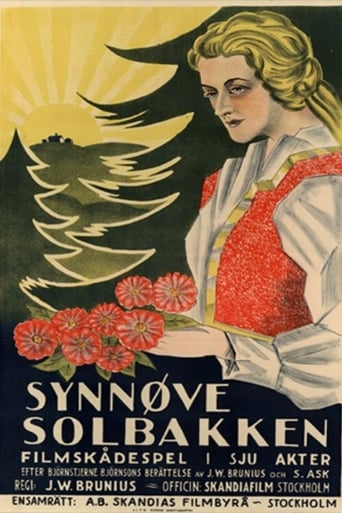
Ingrid Sandahl is credited on a single production — The Fairy of Solbakken (1919). Known primarily for her role in the 1919 film 'The Fairy of Solbakken.' Her career in cinema was notably brief, with this single film appearance representing her entire known filmography. The film itself was likely a Scandinavian production, possibly Swedish or Norwegian, given the Nordic setting suggested by the title. Like many actors from the early silent period, particularly those who appeared in only one or two films, detailed records of her life and career are scarce. Her performance in 'The Fairy of Solbakken' demonstrated the typical acting style of the era, characterized by exaggerated gestures and facial expressions necessary to convey emotion without dialogue. The limited nature of her film career suggests she may have been a theater actor who briefly ventured into cinema, or perhaps someone who decided against pursuing film as a long-term career. Her story represents the countless actors from early cinema whose contributions have been largely lost to time, preserved only in the few films that survive.
The Craft
On Screen
Typical silent era acting style with exaggerated gestures and facial expressions to convey emotion without dialogue
Milestones
- Appeared in 'The Fairy of Solbakken' (1919)
Best Known For
Iconic Roles
Must-See Films
Why They Matter
Impact on Culture
Ingrid Sandahl's impact on cinema is minimal due to her extremely brief career, consisting of only one known film appearance. However, she represents the countless actors from the silent era who contributed to the early development of cinema, even if their careers were short-lived. Her work in 'The Fairy of Solbakken' is part of the broader tapestry of Scandinavian silent cinema, which was quite influential during this period. The film itself likely contributed to the fairy tale and fantasy genre that was popular in early cinema.
Lasting Legacy
Ingrid Sandahl's legacy is primarily that of an obscure figure from cinema's earliest days. While she did not achieve lasting fame, her contribution to 'The Fairy of Solbakken' represents the work of many actors who helped establish the foundation of narrative cinema. She serves as a reminder of the thousands of performers who participated in early film history but have been largely forgotten by time.
Who They Inspired
Due to her brief career, Ingrid Sandahl had little opportunity to influence other actors or directors. Her work, however, is representative of the acting techniques and styles that were common during the silent era, which would later evolve and influence subsequent generations of performers.
Off Screen
Very little is known about Ingrid Sandahl's personal life, which is typical for actors who had brief careers in the silent era. Her limited filmography suggests she may have pursued other career paths after her brief appearance in cinema.
Did You Know?
- Ingrid Sandahl's entire known filmography consists of just one film from 1919
- She should not be confused with the Swedish Olympic gymnast Ingrid Sandahl (1924-2003)
- The film 'The Fairy of Solbakken' was likely a Scandinavian production based on its title
- Like many silent era actors with brief careers, most personal details about her life have been lost to history
- Her active years covered only one year according to available records
- The fairy tale genre was quite popular in Scandinavian cinema during the 1910s
- Many actors from this period were stage actors who briefly tried their hand at the new medium of film
Frequently Asked Questions
Who was Ingrid Sandahl?
Swedish actress from the silent film era known for appearing in only one film, 'The Fairy of Solbakken' in 1919. Her career in cinema was extremely brief, and very little is known about her life beyond this single film appearance.
What films is Ingrid Sandahl best known for?
Titles linked here include The Fairy of Solbakken (1919).
When was Ingrid Sandahl born and when did she die?
Specific birth and death dates for Ingrid Sandahl are not available in historical records, which is common for actors who had very brief careers in the silent era. She is known to have been Swedish and active in 1919.
What awards did Ingrid Sandahl win?
Ingrid Sandahl did not receive any known awards or nominations for her work in cinema. This is not unusual for actors with such limited filmography, especially during the early years of film when formal award systems were not yet established.
What was Ingrid Sandahl's acting style?
Based on the silent era period in which she worked, Ingrid Sandahl likely employed the typical acting style of the time, characterized by exaggerated gestures and facial expressions to convey emotion and story without the benefit of dialogue.
Why is so little known about Ingrid Sandahl?
The scarcity of information about Ingrid Sandahl is typical of actors who had very brief careers in early cinema. Many performers from this period, especially those who appeared in only one or two films, have been largely lost to history due to incomplete record-keeping and the passage of time.