
Donald Meek
Actor
Born: July 14, 1878 in Glasgow, Scotland Died: November 18, 1946 Active: 1920s-1946
Films
1 film
About Donald Meek
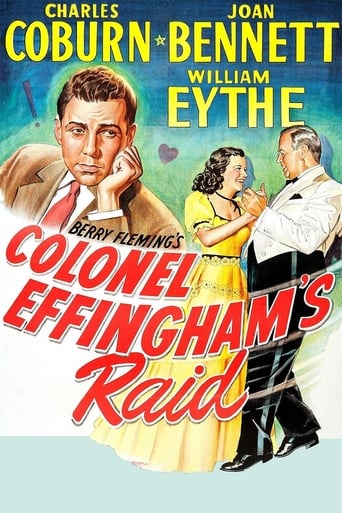
Prolific Scottish-American character actor who became one of Hollywood's most recognizable supporting players during the Golden Age of cinema. Born in Glasgow, Scotland, he began his career on the stage, performing in theatrical productions before transitioning to silent films in the 1920s. Meek's distinctive appearance—completely bald with a high-pitched, nervous voice and perpetually anxious demeanor—made him instantly recognizable to audiences and typecast him in specific roles. Throughout his career, he appeared in over 100 films, working with virtually every major studio and collaborating with renowned directors like John Ford. His ability to portray timid, officious, or nervous characters with remarkable consistency made him a valuable supporting player in numerous classic films. Meek's career continued successfully through the transition to sound films and into the 1940s, with his final appearance in 'Colonel Effingham's Raid' (1946), released shortly before his death from leukemia at the age of 68.
The Craft
On Screen
Donald Meek specialized in portraying timid, anxious, and nervous characters with a distinctive high-pitched voice and perpetually worried expression. His acting style was characterized by precise timing in delivering lines with a quavering, hesitant quality that perfectly suited his typecast roles as nervous clerks, timid officials, or anxious citizens. Meek's physical comedy was subtle yet effective, utilizing his bald head, round face, and small stature to create memorable characterizations. Despite being typecast, he brought depth and humanity to even the smallest roles, often stealing scenes with his impeccable comic timing and genuine portrayal of anxiety-ridden characters.
Milestones
- Transitioned successfully from stage to silent films in the 1920s
- Appeared in 'The Wizard of Oz' (1939) as the nervous man
- Collaborated with director John Ford on multiple classic films
- Appeared in over 100 films during his 20+ year career
- Final film appearance in 'Colonel Effingham's Raid' (1946)
Best Known For
Iconic Roles
Must-See Films
Accolades
Special Recognition
- Hollywood Walk of Fame star (located at 1725 Vine Street)
Working Relationships
Worked Often With
Studios
Why They Matter
Impact on Culture
Donald Meek's contribution to classic cinema lies in his embodiment of the quintessential character actor who elevated countless films through memorable supporting performances. His distinctive appearance and specialized acting style made him an instantly recognizable figure to movie audiences of the 1930s and 1940s, representing the type of reliable performer that studios depended upon to populate their productions with authentic, colorful characters. Meek's ability to consistently deliver the nervous, anxious characters he portrayed with such authenticity helped establish the archetype of the timid supporting player in Hollywood cinema, influencing how such roles would be cast and performed for decades.
Lasting Legacy
Donald Meek's legacy endures through his extensive body of work that continues to entertain audiences through classic film revivals and home media. As one of Hollywood's most prolific character actors, he exemplified the importance of supporting players in creating rich, believable cinematic worlds. His performances in films directed by John Ford and other renowned directors have been studied by film scholars as examples of perfect casting and consistent character acting. Meek's career shows how actors who never achieved leading-man status could nonetheless leave an indelible mark on cinema history through dedication to their craft and the creation of memorable characterizations.
Who They Inspired
While Donald Meek was not a major star who directly mentored other actors, his specialized approach to character acting influenced subsequent generations of performers who specialized in similar roles. His technique for portraying nervous, anxious characters with authenticity and humor became a template for future character actors. Directors who worked with Meek, particularly John Ford, often sought similar performers for their productions, recognizing the value that reliable character actors brought to ensemble casts. Meek's career demonstrated that actors could achieve longevity and respect in Hollywood without achieving stardom, by perfecting a specific type of performance and becoming the go-to performer for particular character types.
Off Screen
Private individual who kept much of his personal life away from the public eye. He married Lillian Meek, with whom he remained until his death. The couple had one daughter together. Before his acting career, Meek served in the British Army during the Boer War, an experience that likely contributed to his disciplined approach to his craft. He immigrated to the United States in the early 20th century, eventually becoming a naturalized citizen. Despite his extensive film career, Meek remained humble and dedicated to his craft, never seeking the spotlight but always delivering reliable performances that enhanced the films in which he appeared.
Education
Limited formal education; primarily trained through stage experience and theatrical work
Family
- Lillian Meek (married until his death in 1946)
Did You Know?
- Born in Glasgow, Scotland, and immigrated to the United States in the early 1900s
- Served in the British Army during the Boer War before pursuing acting
- Began his career as a stage actor, performing in theatrical productions for years before entering films
- Appeared in over 100 films during his 20+ year Hollywood career
- His distinctive bald appearance was natural, not shaved for roles
- Often typecast as nervous, timid, or anxious characters due to his high-pitched voice and worried expression
- Worked with legendary director John Ford on multiple occasions, including 'Stagecoach' and 'Young Mr. Lincoln'
- His final film appearance was in 'Colonel Effingham's Raid' (1946), released shortly before his death
- Died of leukemia on November 18, 1946, at the age of 68
- Despite never winning major awards, he received a star on the Hollywood Walk of Fame for his contributions to film
- Was so typecast in nervous roles that audiences often laughed when he appeared on screen before he even spoke
- His performance in 'The Wizard of Oz' as the nervous man was uncredited but memorable to many viewers
- Worked with virtually every major Hollywood studio during his career
- Was known for his professionalism and reliability, always delivering consistent performances regardless of role size
In Their Own Words
I'm nervous! I'm always nervous! It's my business to be nervous!
often quoted as reflecting his typecast persona)
The secret to playing nervous characters is that you have to find the truth in the anxiety, not just the comedy
Frequently Asked Questions
Who was Donald Meek?
Prolific Scottish-American character with credits in this catalog. He specialized in playing timid, anxious characters in over 100 films and became.
What films is Donald Meek best known for?
Titles linked here include The Wizard of Oz (1939), Stagecoach (1939).
When was Donald Meek born and when did he die?
Born July 14, 1878; died November 18, 1946.
What awards did Donald Meek win?
While Donald Meek did not win major acting awards like Academy Awards during his lifetime, he was honored with a star on the Hollywood Walk of Fame at 1725 Vine Street in recognition of his significant contributions to cinema as a character actor.
What was Donald Meek's acting style?
Donald Meek's acting style was characterized by his distinctive high-pitched, nervous voice and perpetually anxious demeanor. He specialized in portraying timid, worried, and officious characters with remarkable consistency, using subtle physical comedy and precise timing to create memorable supporting performances that often stole scenes despite his limited screen time.
How many films did Donald Meek appear in?
Donald Meek appeared in over 100 films during his career spanning from the 1920s through 1946. He worked with virtually every major Hollywood studio and was.
Did Donald Meek have any famous collaborations?
Donald Meek had a notable collaboration with director John Ford, appearing in several of his classic films including 'Stagecoach' (1939) and 'Young Mr. Lincoln' (1939). He also worked frequently with major stars like John Wayne and Henry Fonda, becoming a reliable supporting player in ensemble casts throughout his career.