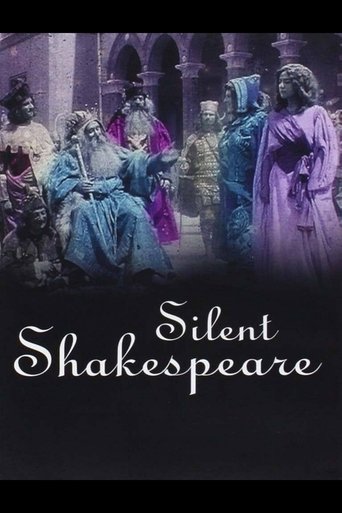
Films
1 film
About Dora Tulloch
Made a significant contribution to early cinema history through her appearance in the 1899 film 'King John. ' As one of the performers in the nascent medium of motion pictures, she participated in what is now recognized as the earliest surviving film adaptation of Shakespeare's work. Her role as Prince Henry in this British production placed her among the very first actors to bring Shakespearean characters to the moving image screen. The film, directed by Walter Pfeffer Dando for the British Mutoscope and Biograph Company, represented a crucial moment in cinematic history when the theater world was beginning to engage with the new technology of film. Tulloch's involvement in this production demonstrates how early cinema drew talent from established theatrical traditions. Like many actors of her era, her film career appears to have been brief, consisting primarily of this single but historically important appearance. Her contribution, while limited in scope, represents the vital bridge between Victorian stage performance and the emerging art of cinema.
The Craft
Milestones
- Appeared in the 1899 film 'King John', one of the earliest Shakespeare adaptations on film
- Played the role of Prince Henry in this historically significant production
- Participated in one of the first films to feature a death scene on screen
- Contributed to early British cinema during its formative years
Best Known For
Iconic Roles
Must-See Films
Working Relationships
Worked Often With
Studios
Why They Matter
Impact on Culture
Dora Tulloch's contribution to cinema, while brief, is historically significant as part of the first wave of actors to appear in Shakespeare adaptations on film. Her role in the 1899 'King John' helped establish the precedent for bringing classical theater to the moving image medium. This early work demonstrated the potential of cinema to adapt serious dramatic works, paving the way for countless future Shakespeare adaptations. As one of the first actors to perform Shakespeare on film, she participated in a crucial moment when cinema was transitioning from mere novelty to a legitimate artistic medium capable of handling complex dramatic material.
Lasting Legacy
Dora Tulloch's legacy is preserved through her participation in what is now recognized as the oldest surviving Shakespeare film. Her performance as Prince Henry in the 1899 'King John' ensures her place in film history as one of the pioneers of cinematic Shakespeare. The film itself has become an important artifact in film studies and cinema history, frequently referenced in discussions of early cinema and the adaptation of literary works to film. While her name may not be widely known to general audiences, film historians and scholars recognize her contribution to the foundation of cinematic storytelling.
Who They Inspired
As an early film actor, Dora Tulloch's influence lies primarily in her participation in establishing the precedent for Shakespeare on film. Her work helped demonstrate that classical theatrical performances could be successfully adapted to the new medium of cinema. This early example likely influenced subsequent filmmakers and actors who sought to bring serious dramatic works to the screen. The success and preservation of 'King John' (1899) provided a template for future Shakespeare adaptations and showed that film could handle complex dramatic material.
Off Screen
Very little is documented about Dora Tulloch's personal life, which is typical for actors from the earliest period of cinema. Like many performers of her era, she was likely primarily a stage actor who made a brief foray into the new medium of film. The lack of extensive biographical records suggests she may not have achieved widespread fame beyond her theatrical work and this single film appearance.
Did You Know?
- The 1899 'King John' is the oldest surviving Shakespeare film in existence
- Dora Tulloch played Prince Henry, a male role, which was common for female actors in theatrical traditions
- The film was only four short scenes, each lasting approximately one minute
- The production was created by the British Mutoscope and Biograph Company
- The film featured the death scene of King John, one of the first death scenes ever filmed
- Like many early films, 'King John' was essentially a recorded stage performance
- The film was shot at the British Mutoscope and Biograph Company's studio in London
- Early cinema actors like Tulloch were typically drawn from established theater companies
- The film survives today and is preserved by the British Film Institute
- This was one of the very first films made in Britain to feature professional actors
Frequently Asked Questions
Who was Dora Tulloch?
Screen credits include the 1899 film 'King John,' making her one of the earliest actors to perform in a Shakespeare adaptation on film. She played the role of Prince Henry in this historically significant production.