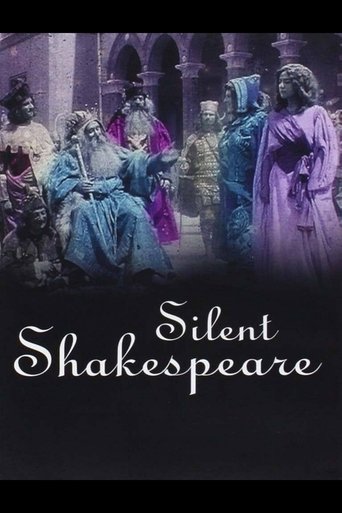
Films
1 film
About Charles Sefton
Actor from the earliest days of cinema, appearing during the era of filmmaking in the late 19th century. His sole known film credit is the 1899 production of 'King John,' which represents one of the earliest surviving examples of Shakespeare on film and among the first British films ever made. During this period, most actors were stage performers who were occasionally recruited for these experimental film projects, which were often very short recordings of theatrical scenes. Sefton was part of the transition from Victorian stage to the new medium of motion pictures, working at a time when films were typically less than a minute long and shown as novelties rather than as part of a structured entertainment industry. His appearance in 'King John' places him among the very first generation of film actors, predating the establishment of Hollywood and the star system by decades. The film itself was directed by William K.L. Dickson and Walter Pfeffer Dando for the British Mutoscope and Biograph Company, representing an important early attempt to capture theatrical performance on celluloid.
The Craft
Milestones
- Appeared in 'King John' (1899), one of the earliest surviving Shakespeare films
- Participated in early British cinema
- Worked during the birth of motion picture technology
Best Known For
Iconic Roles
Must-See Films
Working Relationships
Worked Often With
Studios
Why They Matter
Impact on Culture
Charles Sefton's contribution to cinema history, while minimal in scope, represents an important link in the chain of film development. His participation in one of the earliest Shakespeare adaptations places him among the pioneers who helped establish film as a legitimate artistic medium. During this period, every actor who appeared on camera was part of an experimental process that would eventually revolutionize entertainment. The fact that 'King John' survives today means that Sefton's performance, however brief, is preserved as part of the foundation of cinematic history, representing the very first attempts to bring classical literature to the moving image.
Lasting Legacy
Charles Sefton's legacy is that of a pioneer from cinema's infancy, representing the generation of performers who bridged Victorian theater and motion pictures. While his filmography consists of only one known work, his appearance in 'King John' (1899) makes him part of a significant historical moment in film history. This film is now studied by film historians as one of the earliest examples of adapting literary works to cinema, and Sefton stands as one of the first actors to participate in this groundbreaking process. His work, though largely forgotten, contributed to the foundation upon which the entire film industry would be built.
Who They Inspired
As an actor from the very earliest days of cinema, Charles Sefton's direct influence on subsequent performers is difficult to trace, as he was part of an experimental phase rather than an established tradition. However, his participation in early film adaptations of classical works helped establish precedents for future generations of actors. The very act of appearing in these films contributed to the gradual acceptance of cinema as a serious artistic medium, paving the way for the actors who would follow in the coming decades.
Off Screen
Very little is known about Charles Sefton's personal life, as was common for actors from this early period of cinema. Like many performers of his era, he was likely primarily a stage actor who made the transition to film during its experimental phase. The lack of extensive documentation about his life reflects the nascent state of the film industry in 1899, when performers were not yet celebrities and records were not systematically maintained.
Did You Know?
- Appeared in 'King John' (1899), which is considered one of the first British films ever made
- The film was produced by the British Mutoscope and Biograph Company
- 'King John' (1899) is one of the earliest surviving examples of Shakespeare on film
- The film was only about 1-2 minutes long, typical of films from this period
- Sefton was part of the very first generation of film actors in history
- The film was shot on 68mm film, an unusually large format for the time
- His performance would have been captured without sound, as this was the silent era
- The film was likely shown as a novelty attraction rather than as part of a regular program
Frequently Asked Questions
Who was Charles Sefton?
British with credits in this catalog.
What films is Charles Sefton best known for?
Titles linked here include King John (1899).
When was Charles Sefton born and when did he die?
The birth and death dates of Charles Sefton are not documented, which was common for actors from this very early period of cinema when records were not systematically maintained.
What awards did Charles Sefton win?
Charles Sefton did not receive any awards, as he worked in 1899 during the experimental phase of cinema, decades before any formal film award systems like the Academy Awards were established.
What was Charles Sefton's acting style?
While specific details about Charles Sefton's acting style are not documented, actors from this period typically employed theatrical techniques adapted for the silent camera, with exaggerated gestures and expressions suitable for the primitive recording technology of the time.