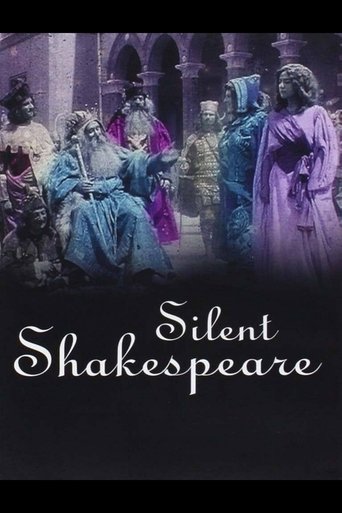
Films
1 film
About Franklyn McLeay
Franklyn McLeay performed in 1899 film 'King John. ' His film career was exceptionally brief, spanning only this single production, which was one of the earliest surviving Shakespeare adaptations and among the first British narrative films. McLeay was likely a stage actor recruited for this experimental film venture, as was common practice during cinema's infancy when theatrical performers were brought in to lend legitimacy to the new medium. The film, directed by Walter Pfeffer Dando for the British Mutoscope and Biograph Company, featured McLeay in a supporting role alongside other stage actors of the period. His appearance in this historically significant film places him among the very first actors to perform Shakespeare on camera, though like many early film performers, his contribution to cinema was fleeting yet historically important. The limited documentation of his career reflects the transitional nature of early cinema, where many performers made only one or two films before returning to stage work or leaving performance entirely.
The Craft
Milestones
- Appeared in 'King John' (1899), one of the first surviving Shakespeare film adaptations
- Participated in early British cinema during its experimental phase
- Among the first actors to perform Shakespeare on film
Best Known For
Iconic Roles
Must-See Films
Working Relationships
Worked Often With
Studios
Why They Matter
Impact on Culture
Franklyn McLeay's contribution to cinema, while brief, is historically significant as part of the first wave of actors to appear in narrative films. His participation in 'King John' (1899) places him among the pioneers who helped establish film as a legitimate medium for dramatic performance, particularly in adapting classical theatrical works. The film itself represents a crucial moment in cinema history, demonstrating that complex dramatic material could be successfully translated to the screen, and McLeay was part of this groundbreaking experiment that would influence countless future Shakespeare adaptations.
Lasting Legacy
Franklyn McLeay's legacy is preserved through his participation in one of cinema's earliest surviving dramatic films. While his individual performance may be lost to detailed historical analysis, his contribution to the foundation of narrative cinema endures as part of the historical record of early film. His work represents the transitional period when stage actors first embraced the new medium of cinema, helping to establish acting techniques and approaches that would evolve into screen performance as we know it today.
Who They Inspired
As one of the earliest film actors, McLeay's influence is primarily historical rather than artistic. His work in early cinema helped demonstrate the viability of film as a medium for serious dramatic performance, paving the way for future generations of actors who would make cinema their primary medium. The experimental nature of early films like 'King John' influenced how subsequent filmmakers approached adapting theatrical works for the screen.
Off Screen
Very little is documented about Franklyn McLeay's personal life, which is typical of actors from the earliest period of cinema. Most performers from this era were stage actors who made occasional forays into film, and their biographical details were rarely recorded in film histories.
Did You Know?
- Appeared in what is considered the first surviving Shakespeare film adaptation
- His film career consisted of only one known production
- King John (1899) was only about 4 minutes long
- The film was produced by the British Mutoscope and Biograph Company
- Like many early film actors, McLeay was likely recruited from the stage
- The film was shot on 68mm film, an unusually large format for the time
- Only fragments of the film survive today
- His appearance predates the establishment of the star system in cinema
- The film was an experimental production testing cinema's dramatic capabilities
- Early films like King John were often shown as novelty attractions rather than full-length features
Frequently Asked Questions
Who was Franklyn McLeay?
Screen credits include the 1899 film 'King John,' one of the first surviving Shakespeare adaptations and a landmark in early British film history.
What films is Franklyn McLeay best known for?
Titles linked here include King John (1899).
When was Franklyn McLeay born and when did he die?
Specific birth and death dates for Franklyn McLeay are not documented, which is common for actors from the very early period of cinema when detailed biographical records were not maintained.
What awards did Franklyn McLeay win?
Franklyn McLeay did not receive any formal awards, as the film industry's award systems had not yet been established during his brief career in 1899.
What was Franklyn McLeay's acting style?
While specific details about McLeay's acting style are not documented, actors from this period typically brought theatrical techniques to their film performances, as the conventions of screen acting had not yet been developed.
Why is Franklyn McLeay historically significant?
McLeay is significant as one of the first actors to appear in a Shakespeare film adaptation, representing the era when cinema was establishing itself as a medium for dramatic performance.