Films
1 film
About Emmy Schønfeld
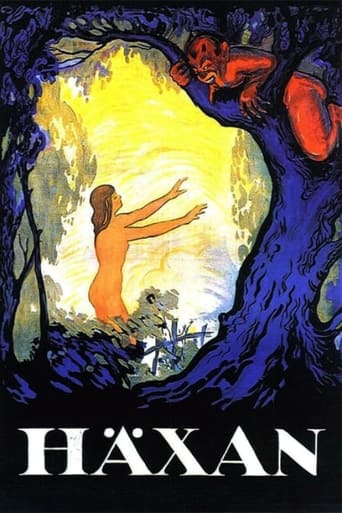
Emmy Schønfeld was cast in 1922 Swedish-Danish horror film 'Häxan' (The Witch), directed by Benjamin Christensen. Her career appears to have been extremely brief, with her only known credited role being in this influential pseudo-documentary that explored witchcraft through historical reenactments. The film was highly controversial for its time due to its graphic depictions of torture, nudity, and occult themes. Schønfeld was one of several actresses who portrayed various historical figures accused of witchcraft throughout the film's seven chapters. Like many actors in early European cinema, particularly those in supporting roles, detailed records of her life and career are scarce. Her participation in 'Häxan' represents her sole known contribution to cinema history, though the film itself has become a cult classic and is studied by film scholars worldwide for its innovative techniques and bold subject matter.
The Craft
On Screen
As a silent film actress, Emmy Schønfeld would have employed the exaggerated physical acting style typical of the era, using facial expressions, body language, and gestures to convey emotion and narrative without dialogue. Her performance in 'Häxan' required her to portray historical figures in dramatic scenes of witchcraft accusations and trials.
Milestones
- Appeared in the groundbreaking silent film 'Häxan' (1922)
Best Known For
Iconic Roles
Must-See Films
Working Relationships
Worked Often With
Why They Matter
Impact on Culture
Emmy Schønfeld's contribution to cinema, while limited to a single film, is part of the lasting legacy of 'Häxan',. The film's bold exploration of witchcraft, religious persecution, and superstition pushed boundaries of what was acceptable in cinema. Her participation, along with other cast members, helped bring to life Christensen's vision that combined documentary elements with dramatic reenactments, creating a hybrid genre that would influence future horror and documentary filmmakers.
Lasting Legacy
Though Emmy Schønfeld's individual legacy is minimal due to her brief filmography, she remains part of cinematic history through her involvement in 'Häxan'. The film continues to be studied, restored, and screened at film festivals and special events worldwide. It has been referenced and homaged by numerous filmmakers and remains a touchstone for those interested in early horror cinema and avant-garde film techniques.
Who They Inspired
As a supporting actress in a single influential film, Emmy Schønfeld's direct influence on other performers is difficult to trace. However, her contribution to 'Häxan' helped establish a template for ensemble casting in pseudo-documentary films and demonstrated how actors could effectively portray historical figures in dramatic reconstructions.
Off Screen
Very little is documented about Emmy Schønfeld's personal life, which is not uncommon for supporting actors in early European cinema. Many performers from this era, particularly those with brief careers, left behind limited biographical records.
Did You Know?
- 'Häxan' was banned in several countries including the United States for many years due to its controversial content
- The film was originally Swedish but was also released in a shorter version with different titles in various countries
- Director Benjamin Christensen himself played the Devil in several segments of the film
- The film used documentary-style narration combined with dramatic reenactments, creating a new hybrid genre
- Many of the torture devices shown in the film were historically accurate reproductions
- The film was considered lost for many years before being rediscovered and restored
- A 1968 re-release version featured narration by William S. Burroughs and jazz music
- The film's title 'Häxan' is Swedish for 'The Witch'
- Despite its controversial nature, the film was praised by critics for its artistic merits and technical innovation
Frequently Asked Questions
Who was Emmy Schønfeld?
Silent film actress from the early 1920s, known primarily for her role in the controversial Swedish-Danish film 'Häxan' (1922). Her career appears to have been extremely brief, with this being her only known film credit.
What films is Emmy Schønfeld best known for?
Titles linked here include Häxan (1922).
When was Emmy Schønfeld born and when did she die?
Unfortunately, biographical details about Emmy Schønfeld's birth and death dates are not available in historical records, which is not uncommon for supporting actors from the silent era with brief careers.
What awards did Emmy Schønfeld win?
There are no records of Emmy Schønfeld receiving any major awards or nominations for her work, which is typical for a supporting actress in a single film from the silent era.
What was Emmy Schønfeld's acting style?
As a silent film actress, Emmy Schønfeld would have used the exaggerated physical acting style characteristic of the era, relying on facial expressions, gestures, and body language to convey emotion and tell stories without dialogue.
What is the significance of 'Häxan' in film history?
'Häxan' is considered a landmark film in cinema history for its innovative blend of documentary and dramatic elements, its controversial subject matter, and its influence on the horror genre. The film pushed boundaries with its graphic depictions and has become a cult classic studied by film scholars worldwide.