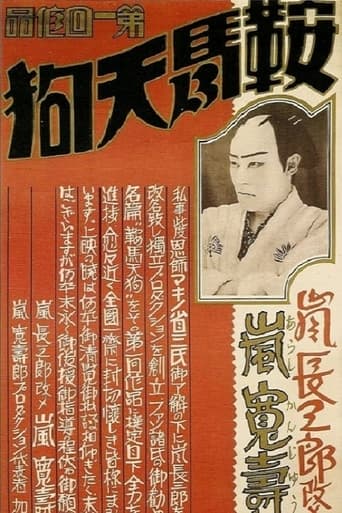
Films
1 film
About Takesaburô Nakamura
Japanese actor who worked during the silent film era of the late 1920s. His known filmography consists primarily of his appearance in the 1928 silent film 'Kurama Tengu,' a significant work in Japanese cinema that adapted the folkloric character. Like many actors of this period in Japan, Nakamura's career was likely shaped by the rapid evolution of Japanese cinema during its golden silent era. The year 1928 marked a peak period for Japanese silent films, with studios producing numerous jidaigeki (period dramas) that showcased traditional Japanese stories and characters. His involvement in 'Kurama Tengu' placed him within the important tradition of adapting classic Japanese folklore for the silver screen. Unfortunately, due to the limited documentation of actors from this era and the potential loss of many records from early Japanese cinema, detailed information about his broader career trajectory remains scarce.
The Craft
Milestones
- Appeared in the 1928 silent film 'Kurama Tengu'
Best Known For
Iconic Roles
Must-See Films
Why They Matter
Impact on Culture
Takesaburô Nakamura's contribution to Japanese cinema, while limited to his known work in 'Kurama Tengu' (1928), represents an important part of the silent film era in Japan. The Kurama Tengu character is a significant figure in Japanese folklore, and adaptations of this story helped preserve and popularize traditional Japanese cultural narratives during a period of rapid modernization. Actors like Nakamura who participated in these early film adaptations played a role in bridging traditional Japanese storytelling with the new medium of cinema, helping to establish the foundation for Japan's rich film history.
Lasting Legacy
Due to the limited documentation of his career and the potential loss of early Japanese film records, Takesaburô Nakamura's legacy is primarily preserved through his participation in the 1928 adaptation of 'Kurama Tengu.' His work represents the contributions of the many actors who formed the backbone of Japan's silent film industry, even when their individual careers were not extensively documented. The film itself remains an important artifact of Japanese cinema history, and by extension, Nakamura's contribution to this cultural preservation effort is historically significant.
Who They Inspired
While specific information about Takesaburô Nakamura's influence on other performers is not documented, actors from Japan's silent era collectively influenced subsequent generations of Japanese performers by establishing early conventions for period drama acting and helping to create a cinematic tradition that would later influence filmmakers worldwide.
Off Screen
Very limited information is available about Takesaburô Nakamura's personal life, which is common for actors from Japan's silent film era where detailed biographical records were not systematically maintained.
Did You Know?
- Appeared in only one known film, 'Kurama Tengu' in 1928
- Worked during Japan's silent film era, which ended in the early 1930s
- The Kurama Tengu character is based on a figure from Japanese folklore
- 1928 was a significant year for Japanese cinema, with many studios producing period dramas
- Many records from early Japanese cinema were lost during World War II and subsequent periods
- Silent film actors in Japan often had to adapt their acting style for benshi (live narrators)
- The Kurama Tengu stories were among the most frequently adapted tales in early Japanese cinema
Frequently Asked Questions
Who was Takesaburô Nakamura?
Japanese with credits in this catalog.' His career appears to have been brief, with documented activity limited to 1928.
What films is Takesaburô Nakamura best known for?
Titles linked here include Kurama Tengu (1928).
When was Takesaburô Nakamura born and when did he die?
Specific birth and death dates for Takesaburô Nakamura are not documented in available historical records, which is common for actors from Japan's silent film era.
What awards did Takesaburô Nakamura win?
There are no documented awards or nominations for Takesaburô Nakamura, as formal acting awards were not widely established in Japan during the silent film era of the 1920s.
What was Takesaburô Nakamura's acting style?
Specific details about Takesaburô Nakamura's acting style are not documented, but actors in Japanese silent films of this period typically used exaggerated expressions and gestures suitable for the medium and often worked with live narrators called benshi.
What is the significance of 'Kurama Tengu' (1928)?
'Kurama Tengu' (1928) was part of a popular series of Japanese films adapting the folkloric character. These films were significant in preserving traditional Japanese stories and helping establish the jidaigeki (period drama) genre in Japanese cinema.
Why is there limited information about Takesaburô Nakamura?
Limited information about Takesaburô Nakamura is typical for actors from Japan's silent era due to inadequate record-keeping, the loss of archives during World War II, and the fact that many supporting actors from this period were not extensively documented.