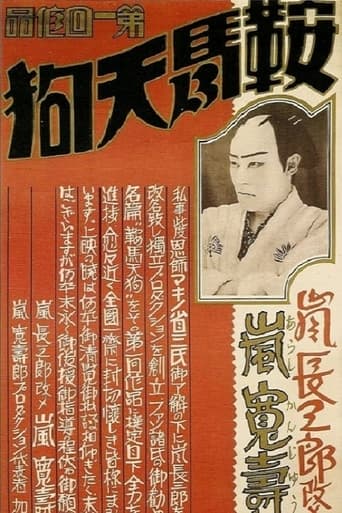
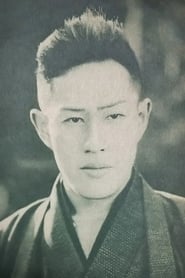
Kanjūrō Arashi
Actor
Born: September 14, 1903 in Tokyo, Japan Died: October 21, 1980 Active: 1927-1969 Birth Name: Toshio Ōsawa (大沢 俊夫)
Films
1 film
About Kanjūrō Arashi
Kanjūrō Arashi, born Toshio Ōsawa, was one of Japan's most prominent jidaigeki (period drama) actors during the golden age of Japanese cinema. He began his career in the mid-1920s and quickly rose to fame with his portrayal of the mysterious masked hero Kurama Tengu, a role that would define his career and make him a household name in Japan. Working primarily with Makino Film Productions in his early years, Arashi developed a distinctive acting style that combined athletic swordplay with charismatic screen presence. Throughout his career spanning over four decades, he appeared in more than 300 films, becoming prolific actors in Japanese cinema history. His performances helped shape the popular image of the samurai hero in Japanese culture, and he successfully transitioned from silent films to talkies, adapting his style to the new medium. Arashi continued acting into the 1960s, maintaining his popularity even as younger stars emerged, before retiring from the screen. His contributions to Japanese cinema were recognized with numerous honors, and he remains a beloved figure in the history of Japanese film.
The Craft
On Screen
Arashi was known for his dynamic and athletic acting style, particularly his sword-fighting techniques which he performed himself without stunt doubles. His portrayal of Kurama Tengu featured a distinctive combination of mystery, heroism, and romantic charm, with a particular emphasis on graceful movement and expressive gestures that worked well in both silent and sound films. He had a commanding screen presence and could convey complex emotions through subtle facial expressions and body language.
Milestones
- Breakthrough role as Kurama Tengu in 1928
- Starred in over 300 films throughout his career
- Successfully transitioned from silent to sound films
- Became one of Japan's highest-paid actors in the 1930s
- Founded his own production company Arashi Productions in 1935
- Received the Order of the Sacred Treasure in 1973
Best Known For
Iconic Roles
Must-See Films
Accolades
Won
- Order of the Sacred Treasure (1973)
- Kinema Junpo Award for Best Actor (1935)
- Mainichi Film Award for Best Actor (1942)
Nominated
- Blue Ribbon Awards nomination (1950)
- Japan Academy Prize nomination (1978)
Special Recognition
- Order of the Sacred Treasure, 4th Class (1973)
- Japanese Academy Honorary Award (1979)
- Star on Japanese Walk of Fame
Working Relationships
Worked Often With
Studios
Why They Matter
Impact on Culture
Kanjūrō Arashi had a profound impact on Japanese popular culture, particularly through his portrayal of Kurama Tengu, which created a template for the masked hero archetype in Japanese media. His films helped define the jidaigeki genre and influenced countless subsequent samurai films and television series. The character of Kurama Tengu became a cultural phenomenon, spawning merchandise, radio adaptations, and influencing manga and anime creators. Arashi's work contributed to the international recognition of Japanese cinema during the 1950s and 1960s, helping to establish Japan as a major force in global filmmaking.
Lasting Legacy
Arashi's legacy endures through his extensive filmography, which continues to be studied by film scholars and enjoyed by audiences worldwide. He is remembered as one of the pioneers of Japanese cinema who helped establish the conventions of the samurai film genre. His performances set standards for physical acting and sword-fighting choreography that influenced generations of actors. The character of Kurama Tengu remains an iconic figure in Japanese popular culture, and Arashi's portrayal is still considered the definitive interpretation. Film historians credit him with helping bridge the gap between traditional Japanese theater and modern cinema.
Who They Inspired
Arashi influenced numerous actors who followed him, particularly in the jidaigeki genre. His naturalistic yet stylized approach to period drama acting became a model for performers in both film and television. His work with directors like Akira Kurosawa helped establish the visual language of samurai cinema that would be emulated internationally. The success of his Kurama Tengu films created a template for the superhero genre in Japanese media, influencing everything from tokusatsu shows to modern anime. His dedication to performing his own stunts set a standard for physical authenticity in action cinema.
Off Screen
Arashi was known as a private individual who kept his personal life separate from his public persona. He was married to actress Ranko Sawa, with whom he had one son who also became an actor. Despite his fame, he maintained a humble lifestyle and was respected by his colleagues for his professionalism and dedication to his craft. In his later years, he became a mentor to younger actors and was involved in preserving traditional Japanese performing arts.
Education
Attended Tokyo Metropolitan High School, left early to pursue acting career. Also studied traditional Japanese dance and martial arts to prepare for his samurai roles.
Family
- Ranko Sawa (1927-1964)
Did You Know?
- The name 'Arashi' means 'storm' in Japanese, reflecting his dynamic acting style
- He performed all his own sword-fighting stunts throughout his career
- His Kurama Tengu character wore a distinctive tengu mask that became iconic in Japanese culture
- He was one of the first Japanese actors to form his own production company
- During World War II, he made propaganda films supporting the Japanese war effort
- He was a skilled practitioner of kendo and other martial arts
- His son Masahiko also became a successful actor under the stage name Masahiko Tsugawa
- He made his film debut as an extra in 1925
- The Kurama Tengu character was based on a figure from Japanese folklore
- He was known for his charity work and supported many young actors early in their careers
In Their Own Words
A samurai is not just a warrior, but a guardian of justice and honor.
The mask of Kurama Tengu hides not my face, but reveals the true hero within.
In every sword stroke, there must be purpose; in every performance, truth.
Cinema is the modern stage where ancient stories find new life.
To act is to become; to become is to understand the human soul.
Frequently Asked Questions
Who was Kanjūrō Arashi?
Kanjūrō Arashi was one of Japan's most celebrated jidaigeki actors, best known for his portrayal of the masked hero Kurama Tengu. He appeared in over 300 films from the 1920s through the 1960s and became a cultural icon in Japanese cinema.
What films is Kanjūrō Arashi best known for?
Arashi is most famous for the Kurama Tengu film series, beginning with the 1928 classic. Other notable works include A Page of Madness (1926), The Magistrate (1936), and appearances in the Samurai Trilogy and Yojimbo.
When was Kanjūrō Arashi born and when did he die?
Kanjūrō Arashi was born on September 14, 1903, in Tokyo, Japan, and passed away on October 21, 1980, at the age of 77.
What awards did Kanjūrō Arashi win?
Arashi received several prestigious awards including the Order of the Sacred Treasure (1973), Kinema Junpo Award for Best Actor (1935), Mainichi Film Award for Best Actor (1942), and the Japanese Academy Honorary Award (1979).
What was Kanjūrō Arashi's acting style?
Arashi was known for his dynamic, athletic acting style with exceptional sword-fighting skills he performed himself. His portrayal combined graceful movement with emotional depth, making him particularly effective in both silent and sound films.
How did Kanjūrō Arashi influence Japanese cinema?
Arashi helped establish the conventions of the samurai film genre and created the template for the masked hero archetype in Japanese media. His work influenced countless films, TV shows, and even manga and anime creators.
Was Kanjūrō Arashi related to other actors?
Yes, his son Masahiko Ōsawa became a successful actor under the stage name Masahiko Tsugawa, continuing the family's acting legacy into the next generation.