
Films
2 films
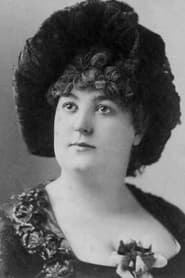
About Amelia Summerville
Silent film actress: entire known film career was confined to the year 1924, making her one of the many brief performers from Hollywood's early era. Amelia appears in the historical drama 'Romola,' a prestigious adaptation of George Eliot's novel that starred the renowned Gish sisters, Lillian and Dorothy. The film was directed by Henry King and produced by Paramount Pictures, representing one of the more ambitious literary adaptations of the silent period. Despite being part of such a notable production, Summerville's role was not among the leading parts, and her career appears to have ended as quickly as it began. Like many supporting actors from this era who appeared in only one or two films, comprehensive biographical details about her life remain scarce in historical records. Her brief tenure in motion pictures reflects the transient nature of many acting careers during the silent era, where countless performers contributed to films without achieving lasting recognition or continued success in the industry.
The Craft
On Screen
Due to the limited documentation of her career and the fact that 'Romola' is now considered a lost film, there is insufficient information to describe Amelia Summerville's specific acting style or techniques.
Milestones
- Appeared in 'Romola' (1924), a major historical drama starring Lillian Gish and Dorothy Gish
Best Known For
Must-See Films
Working Relationships
Studios
Why They Matter
Impact on Culture
Amelia Summerville's cultural impact appears to have been minimal due to her extremely brief film career limited to a single appearance in 1924. As a supporting actress in 'Romola,' she contributed to one of the prestigious literary adaptations of the silent era, but her role was not significant enough to establish a lasting legacy in cinema history. Her story represents the experience of countless actors from early Hollywood who appeared in films but did not achieve lasting recognition or continued careers in the industry. The fact that 'Romola' is now a lost film further diminishes the ability to assess her contribution to cinema, as her performance cannot be viewed by modern audiences.
Lasting Legacy
Amelia Summerville's legacy is primarily that of a representative example of the many anonymous supporting actors who populated silent films but left little trace in historical records. Her single documented appearance in 'Romola' places her within the context of early Hollywood's adaptation of literary classics, but she did not achieve the lasting recognition of the film's stars. Her brief career illustrates the transient nature of many acting careers during the silent era, where countless performers appeared in films without achieving lasting fame or documentation of their contributions. She serves as a reminder of the vast number of performers who helped create early cinema but whose names have been largely forgotten by film history.
Who They Inspired
Due to her extremely limited film career consisting of only one documented appearance, Amelia Summerville does not appear to have had significant influence on other actors or the film industry. Her brief tenure in cinema during 1924 suggests she was not able to establish the kind of career that would allow for mentorship or artistic influence on subsequent generations of performers. Her story instead reflects the challenges faced by many aspiring actors during the early Hollywood period, where breaking into lasting stardom was exceptionally difficult despite appearing in major productions.
Off Screen
Very little personal information is available about Amelia Summerville, which was common for supporting actors and bit players from the silent era who did not achieve lasting fame. Her brief film career suggests she may have pursued other professional endeavors after 1924, but specific details about her life beyond her single film appearance remain undocumented in available historical records.
Did You Know?
- Amelia Summerville's entire known film career consists of just one year - 1924
- She appeared in 'Romola,' which was based on a novel by George Eliot and set in Renaissance Florence
- The film 'Romola' starred the famous Gish sisters, Lillian and Dorothy, along with Ronald Colman
- Her role in 'Romola' was not among the leading parts, suggesting she was likely a supporting or background actor
- Like many silent era supporting actors, detailed biographical information about her life is scarce
- The film 'Romola' was directed by Henry King, who would go on to become a prominent Hollywood director with a career spanning decades
- 'Romola' is now considered a lost film, meaning her performance cannot be viewed by modern audiences
- No records suggest she continued acting in films after 1924, indicating she likely left the industry shortly after her debut
- Paramount Pictures produced 'Romola' as one of their prestigious literary adaptations of the silent era
- Her brief career exemplifies the experience of countless actors who appeared in early films without achieving lasting recognition
Frequently Asked Questions
Who was Amelia Summerville?
Screen credits include the historical drama 'Romola.' Her film career appears to have been brief, with this being her only documented screen appearance in a major production starring Lillian Gish and Dorothy Gish.
What films is Amelia Summerville best known for?
Titles linked here include Romola (1924).
When was Amelia Summerville born and when did she die?
Specific birth and death dates for Amelia Summerville are not available in historical records, which is common for supporting actors from the silent era who had brief careers and did not achieve lasting fame.
What awards did Amelia Summerville win?
There are no documented awards or nominations for Amelia Summerville, which was typical for supporting actors with brief careers during the silent era who were not among the industry's major stars.
What was Amelia Summerville's acting style?
Due to the limited documentation of her career and the fact that 'Romola' is now a lost film, there is insufficient information to describe Amelia Summerville's specific acting style or techniques. Her brief career suggests she was likely a supporting or background actor rather than a featured performer.