
Oiva Soini
Actor
Born: January 21, 1893 in Lapua, Finland Died: May 20, 1971 Active: 1921-1963 Birth Name: Oiva Sigurd Soini
Films
1 film
About Oiva Soini
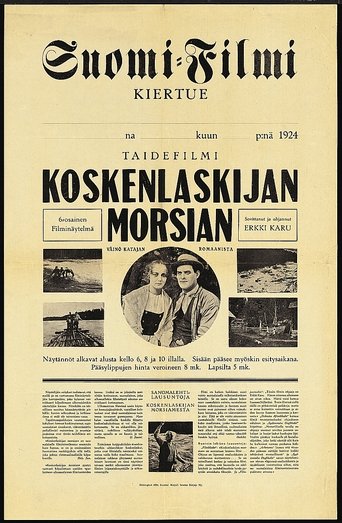
Oiva Sigurd Soini — Finnish baritone, opera director, and professor who made a significant impact on the Finnish cultural landscape during the early 20th century. Born in Lapua in 1893, he initially pursued academic studies, earning a Master of Arts in Philosophy in 1917 before fully committing to his musical calling. He refined his vocal talents in Berlin under the tutelage of prominent instructors between 1918 and 1920, leading to his professional debut at the Finnish National Opera in 1921. While primarily celebrated as a titan of the operatic stage, Soini ventured into the burgeoning Finnish film industry during the silent era, most notably starring in the 1923 landmark production 'Koskenlaskijan morsian' (The Rapids-Rider's Bride). His film career was brief but impactful, as he portrayed leading romantic figures that resonated with the nationalistic themes of the time. Beyond his performances, Soini served as the director of the Finnish National Opera for thirteen years and held a prestigious professorship at the Sibelius Academy, where he shaped the next generation of Finnish vocalists.
The Craft
On Screen
Soini's acting style was characterized by the dramatic intensity and physical presence typical of trained opera singers of the era. In his silent film roles, he utilized expressive facial movements and a commanding stature to convey deep emotional conflict, particularly in the rugged, naturalistic settings of Finnish rural dramas. His performance in 'Koskenlaskijan morsian' is noted for its sincerity and romantic weight, bridging the gap between theatrical operatic performance and the more grounded requirements of early cinema.
Milestones
- Operatic debut at the Finnish National Opera in 1921
- Starring role as Antti in the 1923 silent film classic 'Koskenlaskijan morsian'
- Director of the Finnish National Opera (1939–1952)
- Professor of Solo Singing at the Sibelius Academy (1939–1963)
- Performed over 80 major baritone roles throughout his stage career
- Acquisition of the historic Hautjärvi Manor in Mäntsälä in 1938
Best Known For
Iconic Roles
Must-See Films
Accolades
Won
- Pro Finlandia Medal of the Order of the Lion of Finland (1948)
- Professor title granted by the President of Finland (1943)
Special Recognition
- Honorary Member of the Finnish National Opera
- Director of the Opera Department at the Sibelius Academy (1954–1963)
Working Relationships
Worked Often With
Studios
Why They Matter
Impact on Culture
Pivotal figure in the professionalization of the Finnish arts during the early independence era. His transition from the opera stage to the silver screen helped elevate the prestige of Finnish cinema, which was then in its infancy. By starring in 'Koskenlaskijan morsian', the most successful Finnish film of the 1920s, he helped define the 'national romantic' aesthetic that would dominate Finnish film for decades. His leadership at the National Opera ensured that Finnish high culture remained resilient through the hardships of the Winter War and Continuation War.
Lasting Legacy
Soini is remembered as. His voice is preserved in numerous recordings of Finnish folk songs and lieder, and his influence persists through the vocal techniques he instilled in his students at the Sibelius Academy. He remains a symbol of the 'Golden Age' of Finnish opera and the spirit of silent cinema.
Who They Inspired
He influenced the development of Finnish vocal pedagogy, establishing standards for baritone performance in Finland. In cinema, his rugged yet sensitive portrayal of rural heroes influenced later stars like Tauno Palo, who would take on similar roles in the sound era remakes of Soini's films.
Off Screen
Oiva Soini was the son of Henrik Mattsson Soini and Amanda Augusta Soini. He was married to Lilli Soini, and the couple had three children. He was a man of significant stature in Finnish society, owning the expansive Hautjärvi Manor in Mäntsälä, which served as a cultural hub and proof of his success in both the arts and private enterprise.
Education
Helsinki Church-Organist School; Helsinki Music Institute (studied under Axel von Kothen, Ernst Linko, and Oskar Merikanto); University of Helsinki (Master of Arts in Philosophy, 1917); Vocal studies in Berlin (1918–1920).
Family
- Lilli Soini (née tuntematon)
Did You Know?
- He excelled in Philosophy before he became a professional singer.
- His film 'Koskenlaskijan morsian' was exported to over ten countries, including Japan.
- He owned an 850-hectare manor house in Mäntsälä.
- He recorded Finnish folk songs and spiritual music during a two-year recording career.
- He was the director of the Finnish National Opera during the entirety of World War II.
- He performed over 1,000 times on the operatic stage.
- He was buried in the prestigious Hietaniemi Cemetery in Helsinki.
In Their Own Words
Theatre and opera have great moral significance during difficult times. (1939, regarding the outbreak of war)
Frequently Asked Questions
Who was Oiva Soini?
Prominent Finnish opera singer (baritone), actor, and on YTB.my.
What films is Oiva Soini best known for?
Titles linked here include Koskenlaskijan morsian (1923), Nuori luotsi (1928).
When was Oiva Soini born and when did he die?
Born January 21, 1893; died May 20, 1971.
What awards did Oiva Soini win?
He was awarded the Pro Finlandia Medal in 1948 and was granted the honorary title of Professor by the Finnish government in 1943.
What was Oiva Soini's acting style?
His acting was a blend of operatic drama and silent film expressiveness, often portraying strong, romantic, and heroic figures in rural Finnish settings.