Films
1 film
About Wilhelm Högstedt
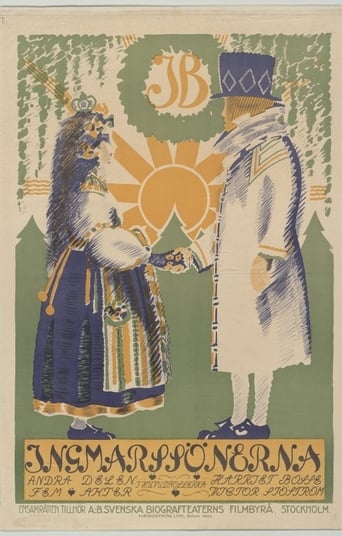
Wilhelm Högstedt is credited on a single production — Sons of Ingmar (1919). His known film career was extremely brief, consisting of at least one appearance in Victor Sjöström's acclaimed 1919 drama 'Sons of Ingmar' (Swedish: 'Ingmarssönerna'). Like many actors of this period, Högstedt likely came from a theatrical background before transitioning to the emerging medium of cinema. His work in 'Sons of Ingmar' placed him among the talented ensemble cast of what would become Swedish silent films. The film, based on Selma Lagerlöf's novel 'Jerusalem,' was part of the golden age of Swedish cinema that gained international recognition. Unfortunately, like many supporting actors from this era, detailed records of Högstedt's life and career are scarce, with his filmography appearing to consist solely of this 1919 production.
The Craft
On Screen
As a silent film actor in the Swedish tradition, Högstedt likely employed the exaggerated gestures and expressive techniques typical of the era, focusing on physical performance to convey emotion without dialogue. Swedish silent film acting was known for its naturalistic approach compared to some other national cinemas, suggesting he may have used more subtle facial expressions and body language.
Milestones
- Appeared in Victor Sjöström's 'Sons of Ingmar' (1919)
- Participated in Sweden's golden age of silent cinema
Best Known For
Iconic Roles
Must-See Films
Working Relationships
Worked Often With
Studios
Why They Matter
Impact on Culture
Wilhelm Högstedt's contribution to cinema, while brief, places him within the context of Sweden's influential silent film period of the late 1910s. This era, particularly under directors like Victor Sjöström and Mauritz Stiller, helped establish Sweden as a major force in international cinema before Hollywood's dominance. Even as a supporting player in 'Sons of Ingmar,' Högstedt participated in creating a work that would influence filmmakers worldwide and contribute to the artistic development of cinema as a serious art form.
Lasting Legacy
While Wilhelm Högstedt did not achieve lasting fame or a extensive filmography, his legacy is tied to the preservation and appreciation of early Swedish cinema. 'Sons of Ingmar' remains an important film in film history studies, and all who contributed to its creation, including supporting actors like Högstedt, are remembered as part of this significant cultural achievement. His work represents the countless unsung actors who helped build the foundation of modern cinema.
Who They Inspired
As a minor actor from the silent era, Wilhelm Högstedt's direct influence on subsequent generations of performers is difficult to trace. However, his participation in high-quality Swedish productions like 'Sons of Ingmar' contributed to the overall artistic standards that would influence international filmmaking. The naturalistic acting style emerging in Swedish cinema during this period would later influence acting techniques worldwide as the medium evolved.
Off Screen
Very little is documented about Wilhelm Högstedt's personal life, which was common for supporting actors from the silent era who did not achieve star status. Like many actors of his time, he may have maintained a private life away from the public eye, with personal records that have not been preserved or digitized over the century since his brief film career.
Did You Know?
- Appeared in only one known film during his career
- Worked during Sweden's golden age of silent cinema (1917-1924)
- Participated in a film adaptation of Nobel Prize winner Selma Lagerlöf's work
- His film 'Sons of Ingmar' was part of a trilogy of films by Victor Sjöström
- Like many silent era actors, his career may have ended with the transition to sound films
- The film he appeared in was highly acclaimed internationally and helped establish Swedish cinema's reputation
- Supporting actors from this era often had theatrical backgrounds before entering films
- Many Swedish silent films were lost over time, making surviving performances particularly valuable
Frequently Asked Questions
Who was Wilhelm Högstedt?
Screen credits include Victor Sjöström's acclaimed 1919 film 'Sons of Ingmar.' His known film career was extremely brief, consisting primarily of this single appearance during Sweden's golden age of cinema.
What films is Wilhelm Högstedt best known for?
Titles linked here include Sons of Ingmar (1919).
When was Wilhelm Högstedt born and when did he die?
Unfortunately, specific birth and death dates for Wilhelm Högstedt are not documented in available historical records, which is common for supporting actors from the silent era who did not achieve star status.
What awards did Wilhelm Högstedt win?
There are no records of Wilhelm Högstedt receiving any major awards or nominations, which was typical for supporting actors during the early silent film period when formal award ceremonies were not yet established.
What was Wilhelm Högstedt's acting style?
As a Swedish silent film actor, Högstedt likely employed the naturalistic acting style characteristic of Swedish cinema of this era, which emphasized subtle facial expressions and gestures over the exaggerated performances common in other national cinemas of the period.