Jean Börlin
Actor
Born: March 8, 1893 in Härnösand, Sweden Died: December 6, 1930 Active: 1920-1930
Films
1 film
About Jean Börlin
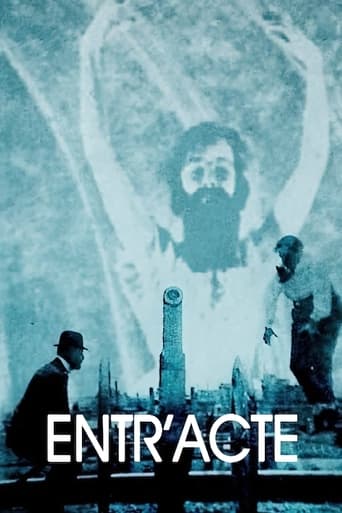
Swedish dancer and choreographer who rose to prominence as the principal dancer and choreographer for the innovative Ballets Suédois in Paris during the 1920s. Born in Härnösand, Sweden, Börlin trained in dance before joining Rolf de Maré's avant-garde ballet company, which became a hub for modernist artistic experimentation in post-war Paris. Under Börlin's artistic direction, the Ballets Suédois revolutionized dance with productions that incorporated elements of cubism, surrealism, and other modernist movements, collaborating with artists like Picasso, Cocteau, and Satie. His most famous film appearance came in René Clair's surrealist masterpiece 'Entr'acte' (1924), which was created as an intermission piece for the Ballets Suédois production 'Relâche' and showcased Börlin's distinctive performance style. Though his career was tragically cut short by his early death at age 37, Börlin on the development of modern dance and avant-garde performance art in the early 20th century.
The Craft
On Screen
Börlin's performance style was characterized by its avant-garde and experimental nature, incorporating elements of modern dance, pantomime, and surrealist expression. His movements were fluid yet precise, often defying conventional dance techniques to create striking visual compositions. In 'Entr'acte,' his performance exemplified the Dadaist rejection of traditional artistic forms, featuring exaggerated gestures and unconventional body movements that contributed to the film's dreamlike, absurdist atmosphere.
Milestones
- Principal dancer and choreographer for Ballets Suédois (1920-1925)
- Starred in René Clair's surrealist film 'Entr'acte' (1924)
- Choreographed groundbreaking ballet 'Relâche' with music by Erik Satie
- Collaborated with major avant-garde artists including Picasso and Cocteau
- Pioneered modern dance techniques that broke from classical tradition
Best Known For
Iconic Roles
Must-See Films
Accolades
Special Recognition
- Posthumously recognized as a pioneer of modern dance
- Ballets Suédois performances preserved in dance history archives
Working Relationships
Worked Often With
Studios
Why They Matter
Impact on Culture
Jean Börlin played a crucial role in bridging the gap between classical dance and modernist artistic movements of the early 20th century. Through his work with Ballets Suédois, he helped establish Paris as the epicenter of avant-garde dance, challenging traditional ballet conventions and incorporating elements from contemporary visual arts, music, and literature. His performances in productions like 'Relâche' and his appearance in 'Entr'acte' exemplified the Dadaist and Surrealist rejection of bourgeois artistic values, contributing to a broader cultural revolution in European arts during the 1920s.
Lasting Legacy
Börlin's legacy endures through his profound influence on the development of modern dance and his role in interdisciplinary artistic collaboration. His choreographic innovations prefigured many later developments in contemporary dance, particularly the integration of movement with other art forms. The Ballets Suédois, under his artistic direction, created a model for experimental dance companies that would be emulated by future generations. His work continues to be studied by dance historians and performed by contemporary dance companies interested in early modernist repertoire.
Who They Inspired
Börlin influenced numerous dancers and choreographers who followed, particularly those interested in breaking from classical tradition and exploring more expressive, experimental forms of movement. His collaboration with visual artists and musicians established a precedent for interdisciplinary performance art that would become increasingly common in later decades. The techniques he developed for blending dance with surrealist and cubist elements influenced choreographers like Kurt Jooss and later postmodern dance pioneers who sought to dissolve boundaries between different artistic disciplines.
Off Screen
Jean Börlin was known to be intensely private about his personal life, with most historical records focusing on his professional achievements rather than his private affairs. He never married and had no known children, dedicating his life entirely to his artistic pursuits. His relationship with Rolf de Maré, the founder of Ballets Suédois, was both professional and deeply personal, with de Maré serving as his patron and close companion throughout his career.
Education
Trained in classical dance in Sweden before moving to Copenhagen for advanced studies; later developed his unique modern dance style through experimentation with the Ballets Suédois in Paris
Did You Know?
- Börlin was the principal dancer and choreographer for all Ballets Suédois productions during their five-year run
- The Ballets Suédois performed over 900 times across Europe and America under Börlin's direction
- His performance in 'Entr'acte' was filmed in a single day and features him as a hunter in the film's surreal opening sequence
- Börlin's choreography for 'Relâche' was so controversial that it provoked riots at its Paris premiere
- He was known for his intense dedication to his craft, often rehearsing for up to 12 hours a day
- Börlin's death at age 37 was attributed to complications from tuberculosis
- After his death, Rolf de Maré founded the Archives Internationales de la Danse in Paris, partially in Börlin's memory
- His dance techniques were documented through photographs by famous artists like Man Ray and Brassaï
- Börlin spoke multiple languages fluently, including Swedish, French, and English, which helped the Ballets Suédois tour internationally
- The original costumes and set designs from Ballets Suédois productions are now housed in major museum collections worldwide
In Their Own Words
Dance should not imitate life; it should create its own reality.
The body is the first instrument of artistic expression, and we must learn to play it with the freedom of a jazz musician.
Frequently Asked Questions
Who was Jean Börlin?
Swedish dancer and choreographer who served as the principal dancer and choreographer for the avant-garde Ballets Suédois in Paris during the 1920s. He is best known for his innovative modern dance techniques and his appearance in René Clair's surrealist film 'Entr'acte' (1924).
What films is Jean Börlin best known for?
Titles linked here include Entr'acte (1924).
When was Jean Börlin born and when did he die?
Born March 8, 1893; died December 6, 1930.
What awards did Jean Börlin win?
Jean Börlin did not receive formal awards during his lifetime, as he worked primarily in the avant-garde scene before such recognition systems were established. However, he has been posthumously recognized as a figure in modern dance history.
What was Jean Börlin's choreographic style?
Börlin's choreographic style was revolutionary for its time, breaking from classical ballet traditions to incorporate elements of modernism, cubism, and surrealism. His movements were characterized by their experimental nature, often featuring unconventional body positions and gestures that challenged traditional dance aesthetics.