Marcel Duchamp
Actor
Born: July 28, 1887 in Blainville-Crevon, France Died: October 2, 1968 Active: 1924-1926 (film work) Birth Name: Henri-Robert-Marcel Duchamp
Films
1 film
About Marcel Duchamp
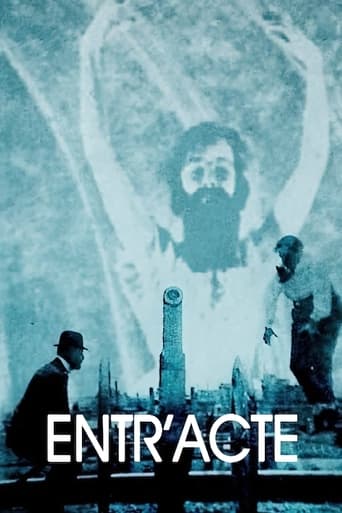
French-American artist: influence extended beyond traditional art into experimental cinema. While primarily renowned as a Dadaist and Surrealist artist with revolutionary works like 'Fountain' and 'Nude Descending a Staircase,' Duchamp made significant contributions to avant-garde film. His appearance in René Clair's 'Entr'acte' (1924) exemplified his commitment to breaking artistic boundaries across all media. Duchamp's involvement in cinema was not that of a professional actor but rather as an extension of his conceptual art practice, challenging conventional notions of what art and film could be. He also collaborated on other experimental film projects, including 'Anémic Cinéma' (1926), which he co-created with Man Ray. Throughout his life, Duchamp continued to influence both the art world and experimental filmmaking until his death in 1968. His brief but impactful film career represents just one facet of his revolutionary artistic vision.
The Craft
On Screen
Duchamp's 'acting' was not traditional performance but rather an extension of his conceptual art practice. His appearances in films were deliberately anti-theatrical, reflecting Dadaist principles of rejecting conventional artistic expression. In 'Entr'acte,' his presence was more about participating in the avant-garde spectacle than delivering a performance in the traditional sense.
Milestones
- Creation of 'Fountain' (1917), a revolutionary readymade artwork
- Painting 'Nude Descending a Staircase, No. 2' (1912)
- Appearance in 'Entr'acte' (1924)
- Co-creation of 'Anémic Cinéma' (1926) with Man Ray
- Development of 'The Large Glass' (1915-1923)
- Became a naturalized U.S. Citizen in 1955
- Retirement from art to focus on chess in the 1920s-1940s
- Final artwork 'Étant donnés' completed in secret (1946-1966)
Best Known For
Iconic Roles
Must-See Films
Accolades
Won
- Grand Prize at the Venice Biennale (1958)
- Guggenheim Fellowship (1964)
Special Recognition
- Named one of Time magazine's 100 most influential people of the 20th century
- Retrospective exhibitions at major museums worldwide including MoMA and Tate Modern
- Numerous posthumous exhibitions celebrating his influence on contemporary art
Working Relationships
Worked Often With
Why They Matter
Impact on Culture
Marcel Duchamp's impact on 20th-century culture cannot be overstated, fundamentally changing how art is conceived and created. His readymades challenged the very definition of art, influencing everything from Conceptual Art to contemporary installation work. In cinema, his brief but significant involvement in avant-garde filmmaking helped establish experimental film as a legitimate artistic medium. His ideas about the role of the artist, the nature of art objects, and the importance of concept over execution continue to resonate across all artistic disciplines. Duchamp's influence extends beyond visual arts into literature, music, performance, and philosophy, making him.
Lasting Legacy
Duchamp's legacy as both an artist and experimental filmmaker continues to shape contemporary art and cinema. His rejection of traditional aesthetic values and emphasis on conceptual thinking paved the way for numerous artistic movements that followed. The Marcel Duchamp Prize, established in France, continues to honor innovative contemporary artists. His works are held in major museums worldwide, and his theories about art and anti-art are still studied and debated. In cinema, his experimental approach influenced the development of avant-garde and underground filmmaking throughout the 20th century and beyond.
Who They Inspired
Duchamp's influence on other filmmakers and artists is immeasurable. His conceptual approach directly influenced the French New Wave directors, American experimental filmmakers like Stan Brakhage and Jonas Mekas, and video artists of the 1960s and beyond. His ideas about challenging artistic conventions inspired generations of artists to question authority and tradition in all art forms. The Pop Art movement, particularly Andy Warhol, drew heavily from Duchamp's use of everyday objects and mass-produced imagery. Contemporary artists continue to reference and reinterpret his work, ensuring his influence remains vital in the 21st century.
Off Screen
Duchamp led a deliberately unconventional personal life that mirrored his artistic philosophy. He had significant relationships with several women in the avant-garde circle, though he never had children. In 1954, he married Alexina 'Teeny' Sattler, who had previously been married to Pierre Matisse, son of artist Henri Matisse. Duchamp was also an accomplished chess player, competing at a high level and even writing a chess column. He spent much of his adult life between Paris and New York, becoming a central figure in both European and American avant-garde circles.
Education
Attended Lycée Pierre-Corneille in Rouen, studied at Académie Julian in Paris, but was largely self-taught as an artist, rejecting formal artistic training in favor of independent exploration.
Family
- Lydia Fischer (1927, briefly, annulled)
- Alexina 'Teeny' Sattler (1954-1968)
Did You Know?
- Coined the term 'readymade' to describe his works made from manufactured objects
- Spent nearly 20 years working in secret on his final masterpiece 'Étant donnés'
- Was an accomplished chess player who reached master level
- Gave up art for 25 years to focus on chess
- His work 'Fountain' (a urinal) was voted the most influential artwork of the 20th century
- Changed the spelling of his name to 'Rrose Sélavy' as a female pseudonym
- His last major public appearance was playing chess with John Cage in 1968
- Designed the cover for the first Surrealist exhibition catalog in 1936
- His influence on chess theory was significant enough to be mentioned in chess publications
- Maintained a secret studio for 20 years where he worked on his final piece
In Their Own Words
I have forced myself to contradict myself in order to avoid conforming to my own taste.
The only works of art America has given are her plumbing and her bridges.
I don't believe in art. I believe in artists.
Chess is a sport. A violent sport. This detracts from its artistic side.
I am still a victim of chess. It has all the beauty of art - and much more.
The creative act is not performed by the artist alone; the spectator brings the work in contact with the external world by deciphering and interpreting its inner qualifications.
Frequently Asked Questions
Who was Marcel Duchamp?
Revolutionary French-American artist associated with Dada and Surrealism, best known for his readymade artworks and experimental films. While primarily celebrated as. His work fundamentally changed how art is conceived and created.
What films is Marcel Duchamp best known for?
Titles linked here include Entr'acte (1924), Anémic Cinéma (1926).
When was Marcel Duchamp born and when did he die?
Born July 28, 1887; died October 2, 1968.
What awards did Marcel Duchamp win?
Duchamp received the Grand Prize at the Venice Biennale in 1958 and a Guggenheim Fellowship in 1964. While he didn't receive traditional film awards, he was named one of Time magazine's 100 most influential people of the 20th century and has been honored with numerous posthumous retrospectives at major museums worldwide.
What was Marcel Duchamp's artistic style?
Duchamp's style was conceptual and revolutionary, rejecting traditional aesthetic values in favor of intellectual engagement. His work was characterized by irony, wordplay, and the use of everyday objects (readymades). In film, his approach was experimental and anti-narrative, focusing on visual effects and conceptual ideas rather than storytelling.
How did Marcel Duchamp influence cinema?
Duchamp influenced cinema through his involvement in avant-garde filmmaking and his conceptual approach to art. His work in films like 'Entr'acte' helped establish experimental film as a legitimate artistic medium. His ideas about challenging conventions and emphasizing concept over execution influenced generations of experimental and underground filmmakers.