Films
2 films
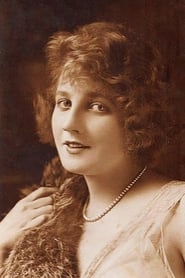
About Huguette Duflos
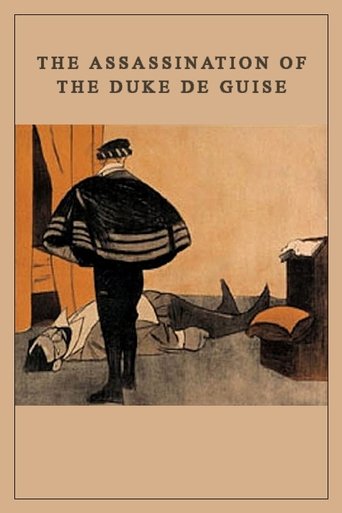
French actress of the silent film era who emerged during the formative years of cinema. She began her career at the dawn of filmmaking, appearing in early French films, 'The Assassination of the Duke de Guise' in 1908, which was notable for being one of the first films to feature an original musical score by renowned composer Camille Saint-Saëns. Throughout her active period from 1908 to 1920, Duflos established herself as a prominent figure in early French cinema, working with some of the most innovative directors of the time. Her role in 'Mademoiselle de La Seiglière' in 1920 marked one of her later significant performances, demonstrating her versatility as an actress capable of carrying dramatic roles during the transition from short films to feature-length productions. Duflos represented the bridge between theatrical acting traditions and the emerging cinematic language of the silent era, helping to establish acting techniques specific to film. Her career, while relatively brief by modern standards, coincided with crucial developments in filmmaking technology and artistic expression. As one of the early film actresses, she contributed to the establishment of cinema as a legitimate art form in France.
The Craft
On Screen
Duflos employed a theatrical style typical of early silent cinema, using exaggerated gestures and facial expressions to convey emotion without dialogue. Her technique represented the transitional period between stage acting and the more subtle cinematic approach that would later develop. She demonstrated particular skill in period pieces, bringing authenticity to historical roles through her understanding of 19th-century French society and mannerisms.
Milestones
- Starred in 'The Assassination of the Duke de Guise' (1908), one of the earliest films with original musical score
- Appeared in 'Mademoiselle de La Seiglière' (1920) during the transition to feature films
- Participated in the early development of French cinema during its formative years
- Worked during the crucial period when cinema was establishing itself as an art form
Best Known For
Iconic Roles
Must-See Films
Accolades
Special Recognition
- Recognized as a figure in early French cinema
- Noted participant in the development of film acting techniques
Working Relationships
Worked Often With
Studios
Why They Matter
Impact on Culture
Huguette Duflos contributed to the early establishment of cinema as a legitimate art form in France during a period when film was often dismissed as mere entertainment. Her work in 'The Assassination of the Duke de Guise' was particularly significant as it represented one of the first attempts to create a serious artistic film with cultural legitimacy, complete with an original score by a major composer. This film helped demonstrate cinema's potential as a medium for serious artistic expression, influencing subsequent French filmmakers to pursue more ambitious projects. Duflos, as one of the early actresses in such prestigious productions, helped establish the profession of film acting as respectable and artistically significant.
Lasting Legacy
Huguette Duflos remains an important figure in film history as one of the actresses of the silent era. Her participation in landmark early films like 'The Assassination of the Duke de Guise' ensures her place in the historical record of cinema's development. While her name may not be as widely recognized as some of her contemporaries who continued into the sound era, her contributions during cinema's formative years were significant. She represents the generation of performers who helped establish the techniques and standards of film acting that would influence subsequent generations of actors. Her work serves as a valuable reference point for understanding the evolution of cinematic performance and the development of French cinema in particular.
Who They Inspired
As an early film actress, Duflos influenced the development of acting techniques specific to the silent film medium. Her performances helped establish conventions for conveying emotion and narrative without dialogue, techniques that would be refined and built upon by subsequent generations of film actors. Her work in historical and dramatic productions demonstrated how cinema could adapt literary and theatrical traditions to the new medium, influencing how subsequent filmmakers approached literary adaptations. The success of films she appeared in helped convince other stage actors of the artistic legitimacy of film, encouraging more performers to work in the medium.
Off Screen
Huguette Duflos lived through the transformative period of early 20th-century France, witnessing both the birth of cinema and the dramatic changes in French society during and after World War I. Her active years covered the crucial years when cinema evolved from a novelty attraction to a respected art form. Details about her personal life remain relatively scarce, as was common for many early film actors whose private lives were not extensively documented in the press of the era.
Did You Know?
- 'The Assassination of the Duke de Guise' (1908) featured music by renowned composer Camille Saint-Saëns, making it one of the earliest films with an original musical score
- The film was produced by Le Film d'Art, a company dedicated to elevating cinema to an art form
- Duflos worked during the period when films were transitioning from short novelty pieces to longer narrative works
- Her active years covered the crucial development period of French cinema before World War I and its aftermath
- Early French cinema was highly influential globally, and performers like Duflos helped establish international cinematic standards
- The 1920s marked the beginning of the end for many silent film actors with the advent of sound technology
- French cinema of this period was particularly strong in historical and literary adaptations
- Early film actors often had stage backgrounds, bringing theatrical techniques to the new medium of cinema
Frequently Asked Questions
Who was Huguette Duflos?
French actress of the silent film era, active from 1908 to 1920. She appeared in significant early French films including 'The Assassination of the Duke de Guise' (1908), which was notable for being one of the first films with an original musical score by Camille Saint-Saëns.
What films is Huguette Duflos best known for?
Titles linked here include The Assassination of the Duke de Guise (1908), Mademoiselle de La Seiglière (1920).
When was Huguette Duflos born and when did she die?
Born 1884; died 1973.
What was Huguette Duflos's acting style?
Duflos employed a theatrical style typical of early silent cinema, using exaggerated gestures and facial expressions to convey emotion without dialogue. Her technique represented the transitional period between stage acting and the more subtle cinematic approach that would later develop.
What was Huguette Duflos's contribution to cinema?
Huguette Duflos contributed to the early establishment of cinema as a legitimate art form in France. Her work in prestigious early productions helped demonstrate cinema's artistic potential and influenced subsequent French filmmakers to pursue more ambitious projects.
Did Huguette Duflos work with any notable directors or studios?
She worked with innovative early directors like André Calmettes and Georges Monca, and was affiliated with significant early film companies including Le Film d'Art and Pathé, which were crucial in developing French cinema during its formative years.