Andrey Frolov
Director
Born: October 20, 1908 in Moscow, Russian Empire Died: January 20, 1968 Active: 1936-1968 Birth Name: Andrey Alexandrovich Frolov
Films
2 films
About Andrey Frolov
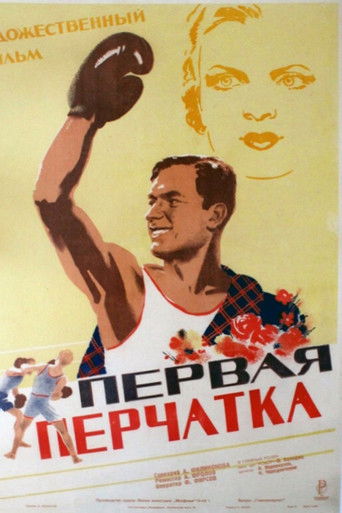
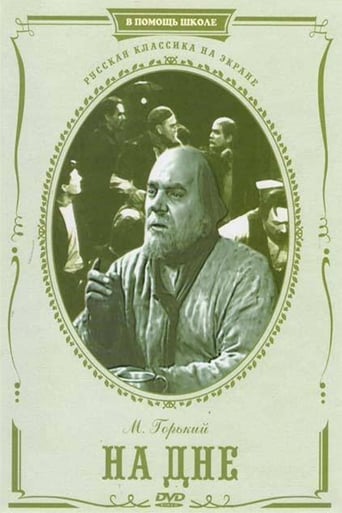
Andrey Alexandrovich Frolov — prominent Soviet film director and screenwriter who made significant contributions to Russian cinema during the mid-20th century. Born in Moscow in 1908, he began his career in the film industry during the 1930s, initially working in various production roles before transitioning to directing. Frolov established himself as a skilled adapter of literary works, bringing classic Russian literature to the silver screen with particular sensitivity and artistic vision. His most acclaimed directorial works include 'The Winner' (1946), a post-war drama that captured the Soviet spirit of reconstruction, and 'The Lower Depths' (1952), his celebrated adaptation of Maxim Gorky's renowned play. Throughout his career, Frolov demonstrated a deep understanding of human psychology and social dynamics, often focusing on stories that explored the struggles and triumphs of ordinary Soviet citizens. His films were characterized by their thoughtful pacing, strong ensemble performances, and faithful yet innovative interpretations of source material. Frolov continued working in Soviet cinema until his death in 1968, leaving behind a legacy of thoughtful, socially conscious filmmaking that reflected both the artistic and ideological concerns of his era.
The Craft
Behind the Camera
Frolov's directing style was characterized by psychological depth, faithful literary adaptation, and social realism. He had a particular talent for ensemble direction, bringing out nuanced performances from his actors while maintaining the integrity of the source material. His pacing was deliberate and thoughtful, allowing for the gradual development of character and theme. Frolov's visual approach was often understated but effective, using composition and lighting to enhance emotional impact rather than relying on flashy techniques. He was known for his ability to balance artistic expression with the ideological requirements of Soviet cinema, creating works that were both artistically significant and politically acceptable.
Milestones
- Director of 'The Winner' (1946)
- Director of acclaimed 'The Lower Depths' (1952)
- Screenwriter for multiple Soviet films
- Adapted classic Russian literature for cinema
- Contributed to post-war Soviet cinema development
Best Known For
Must-See Films
Accolades
Won
- Order of the Badge of Honour
- Stalin Prize nominee
Nominated
- Stalin Prize nomination for 'The Lower Depths' (1952)
Special Recognition
- Honored Artist of the RSFSR
- Order of the Red Banner of Labour
Working Relationships
Worked Often With
Studios
Why They Matter
Impact on Culture
Andrey Frolov played a significant role in the development of Soviet cinema during the mid-20th century, particularly in the art of literary adaptation. His work on 'The Lower Depths' helped establish new standards for bringing classic Russian literature to the screen, influencing generations of Soviet filmmakers who followed. Frolov's films contributed to the cultural dialogue about Soviet society, exploring themes of human dignity, social justice, and moral responsibility within the framework of socialist realism. His ability to create artistically significant works while navigating the complex ideological requirements of Soviet cinema demonstrated the possibilities for creative expression within constraints. Frolov's films continue to be studied as important examples of how Soviet directors balanced artistic ambition with political necessity.
Lasting Legacy
Andrey Frolov's legacy in Soviet cinema is primarily that of a master adapter who brought literary classics to life with sensitivity and artistic integrity. His version of 'The Lower Depths' remains. Frolov influenced subsequent generations of Soviet filmmakers through his thoughtful approach to literary adaptation and his ability to work within the system while maintaining artistic standards. His films serve as important historical documents of mid-20th century Soviet society and cinematic techniques. Though not as internationally known as some of his contemporaries, Frolov is respected among film historians for his contributions to Soviet cinema and his role in preserving Russian literary heritage through film.
Who They Inspired
Frolov influenced Soviet cinema through his sophisticated approach to literary adaptation, demonstrating how classic texts could be reinterpreted for contemporary audiences while maintaining their essential themes and characters. His work with ensemble casts influenced subsequent Soviet directors in their approach to actor direction. Frolov's ability to balance artistic expression with ideological requirements provided a model for filmmakers working within state-controlled cinema systems. His adaptations of Russian literature helped establish standards and techniques that would be followed by later Soviet directors working with classic texts. The psychological depth and social consciousness of his films influenced the development of more nuanced Soviet cinema in the post-Stalin era.
Off Screen
Andrey Frolov lived during. He was married and had children, though detailed information about his family life remains limited in public records. Like many Soviet artists of his generation, he had to navigate the complex relationship between artistic expression and political ideology throughout his career. Frolov was known among his colleagues as a thoughtful, intellectual director who took his work seriously and maintained high artistic standards despite the political pressures of the time.
Education
Graduated from Gerasimov Institute of Cinematography (VGIK) in Moscow, studied under prominent Soviet filmmakers of the 1930s
Family
- Information not publicly available
Did You Know?
- His 1952 adaptation of 'The Lower Depths' was one of several film versions of Gorky's play made during the Soviet era
- Frolov began his career working as an assistant director before moving to directing
- He worked during both the Stalin and Khrushchev periods, adapting to changing political climates
- His films often featured ensemble casts rather than single star vehicles
- Frolov was particularly respected for his work with actors, drawing subtle performances from his cast
- He survived the purges of the 1930s, a period when many Soviet artists were persecuted
- His film 'The Winner' (1946) was one of the first major Soviet films made after World War II
- Frolov was known for his meticulous preparation and extensive research before filming
- He often chose projects with strong social messages that aligned with Soviet values
- His adaptation techniques were studied in Soviet film schools as examples of literary translation to cinema
In Their Own Words
The camera must serve the story, not dominate it
Literature provides the soul, cinema provides the vision
Every frame must contain truth, even when we create fiction
To adapt a classic is not to copy it, but to discover its contemporary meaning
Frequently Asked Questions
Who was Andrey Frolov?
Soviet on YTB.my. He was a respected figure in mid-20th century Soviet cinema who specialized in bringing literary works to the screen with artistic sensitivity and social consciousness.
What films is Andrey Frolov best known for?
Titles linked here include The Winner (1946), The Lower Depths (1952).
When was Andrey Frolov born and when did he die?
Born October 20, 1908; died January 20, 1968.
What awards did Andrey Frolov win?
Frolov received several honors including the Order of the Badge of Honour, the Order of the Red Banner of Labour, and was named an Honored Artist of the RSFSR. He was also nominated for the Stalin Prize for his work on 'The Lower Depths' in 1952.
What was Andrey Frolov's directing style?
Frolov's directing style emphasized psychological depth, social realism, and faithful literary adaptation. He was known for his skill with ensemble casts, deliberate pacing, and ability to balance artistic expression with Soviet ideological requirements. His visual approach was understated but emotionally effective, focusing on character development and thematic resonance.