Charles King
Actor
Born: February 21, 1886 in New York City, New York, USA Died: January 11, 1944 Active: 1915-1944 Birth Name: Charles Thomas King
Films
2 films
About Charles King
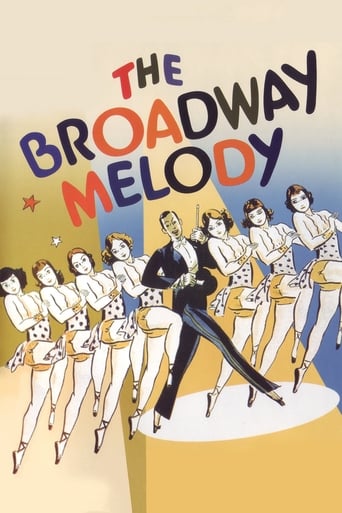
American actor and singer who rose to prominence during the transition from silent films to talkies in the late 1920s. Beginning his career in vaudeville, King developed his musical talents and stage presence before making the leap to Hollywood films. His breakthrough came with his starring role as Eddie Kearns in MGM's musical 'The Broadway Melody' (1929), which became the first sound film to win the Academy Award for Best Picture. King's strong baritone voice and charismatic stage presence made him an ideal leading man for early musical films, though his career would ultimately be brief at the top tier of Hollywood. Charles appears in several other early sound musicals including 'The Hollywood Revue of 1929' and 'Chasing Rainbows' (1930), often playing romantic leads opposite actresses like Anita Page and Bessie Love. As the novelty of musical films waned in the early 1930s, King's film career diminished, though he continued to appear in smaller roles throughout the decade. His final years were spent in relative obscurity before his death in 1944, leaving behind a legacy as one of the pioneers of the Hollywood musical genre.
The Craft
On Screen
King's acting style was heavily influenced by his vaudeville background, characterized by broad gestures, expressive facial features, and a stage-perfect projection that translated well to early sound recording. His performances were energetic and theatrical, typical of the transitional period when actors were adapting from silent film pantomime to spoken dialogue. King possessed a natural charm and confident demeanor that made him believable as the romantic lead in musical productions. His baritone singing voice was one of his strongest assets, allowing him to perform musical numbers with professional polish and emotional resonance.
Milestones
- Starred in 'The Broadway Melody' (1929), the first sound film to win Best Picture
- Appeared in 'The Hollywood Revue of 1929' with MGM's all-star cast
- Featured in 'Chasing Rainbows' (1930) opposite Jack Benny
- Transitioned successfully from vaudeville to talking pictures
- Pioneered the leading man role in early Hollywood musicals
Best Known For
Iconic Roles
Must-See Films
Accolades
Special Recognition
- Star on the Hollywood Walk of Fame (6201 Hollywood Boulevard)
Working Relationships
Worked Often With
Studios
Why They Matter
Impact on Culture
Charles King played a significant role in the early development of the Hollywood musical genre during the crucial transition period from silent films to talkies. His performance in 'The Broadway Melody' helped establish the template for the musical leading man in cinema, combining romantic appeal with musical talent. The success of the film, in which King — central figure, proved that musical films could be both commercially viable and artistically respectable, paving the way for the golden age of Hollywood musicals that would follow in the 1930s and beyond. King's work demonstrated how vaudeville-trained performers could successfully transition to the new medium of sound films, influencing casting decisions for subsequent musical productions.
Lasting Legacy
Charles King's legacy is primarily tied to his role in early Hollywood musicals, particularly his contribution to. While his personal star burned briefly but brightly, 'The Broadway Melody' remains a landmark film in cinema history, and King's performance as Eddie Kearns continues to be studied by film historians interested in the evolution of the musical genre. His career exemplifies both the opportunities and challenges faced by stage performers during the early sound era, where specialized talents like singing could lead to sudden fame but also to typecasting and career limitations. King's star on the Hollywood Walk of Fame serves as a permanent reminder of his contribution to early cinema.
Who They Inspired
King's success in early musical films influenced the casting patterns of subsequent Hollywood productions, demonstrating the value of performers with strong musical backgrounds. His vaudeville-to-film career path became a model for other entertainers seeking to transition to motion pictures during the sound revolution. The romantic leading man archetype he helped establish in musical films would be refined and expanded by later performers like Nelson Eddy and Howard Keel. While not a major influence on acting technique, King's work contributed to the development of the integrated musical film format that would become a Hollywood staple.
Off Screen
Charles King married twice during his lifetime. His first marriage was to actress Marie Shotwell, with whom he had a daughter. The marriage ended in divorce, and King later married actress Virginia Vance. King struggled with alcoholism in his later years, which contributed to the decline of his career. He spent his final years living in relative obscurity in California, far from the Hollywood spotlight he had briefly enjoyed. His death in 1944 at age 57 was attributed to a heart attack.
Education
Limited formal education; trained primarily through vaudeville circuit experience and theater performance
Family
- Marie Shotwell (1915-1925)
- Virginia Vance (1927-1944)
Did You Know?
- Was a professional vaudeville performer for over a decade before entering films
- His baritone singing voice was considered one of the best among early musical film actors
- Despite starring in the Best Picture winner of 1929, he never received an Academy Award nomination
- Appeared in over 20 films between 1929 and 1930 alone, taking advantage of the demand for musical talent
- His career declined rapidly as audiences grew tired of the flood of musical films in the early 1930s
- Was one of the first actors to successfully make the transition from stage musicals to film musicals
- was originally intended as a silent film but was converted to a sound production largely to showcase King's singing abilities
- Often performed his own songs in films rather than being dubbed
- His second wife, Virginia Vance, was also a contract player at MGM during their marriage
- Died relatively young at 57, with his death barely mentioned in Hollywood trade papers
In Their Own Words
(From 'The Broadway Melody'): 'You were meant for me, I was meant for you, Nature planned the whole thing, too'
(Regarding early sound films): 'The microphone is like a new audience, you have to learn to play to it just like you learned to play to the back row of the theater'
(On musical films): 'When you can sing your feelings, you don't need as many words'
Frequently Asked Questions
Who was Charles King?
American with credits in this catalog.
What films is Charles King best known for?
Titles linked here include The Broadway Melody (1929), The Hollywood Revue of 1929.
When was Charles King born and when did he die?
Born February 21, 1886; died January 11, 1944.
What awards did Charles King win?
While Charles King never personally won an Academy Award, he starred in 'The Broadway Melody' which won Best Picture in 1929. He received a star on the Hollywood Walk of Fame for his contributions to film.
What was Charles King's acting style?
King's acting style was heavily influenced by his vaudeville background, featuring broad gestures, expressive delivery, and strong projection that worked well in early sound films. He was particularly noted for his singing voice and musical performance abilities.
Why did Charles King's career decline?
King's career declined in the early 1930s due to audience fatigue with musical films, personal struggles with alcoholism, and the industry's shift away from the vaudeville-style performers who dominated early sound pictures.
Was Charles King married?
Yes, Charles King was married twice - first to actress Marie Shotwell from 1915 to 1925, and later to actress Virginia Vance from 1927 until his death in 1944.