Beatriz Michelena
Actor
Born: February 22, 1890 in New York City, New York, USA Died: October 10, 1942 Active: 1913-1922
Films
1 film
About Beatriz Michelena
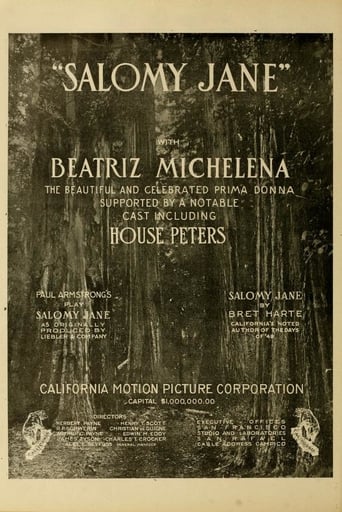
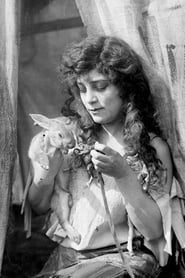
Latina actress and one of the first Hispanic stars of American silent cinema. Born to Venezuelan parents in New York City in 1890, she began her career as a stage singer and opera performer before transitioning to film in 1913. Her breakthrough came with 'Salomy Jane' (1914), which established her as a major box office draw and led to the formation of her own production company, Beatriz Michelena Features, making her one of the few women to head a film studio during the silent era. She starred in several successful films throughout the mid-1910s, including 'The Lily of Poverty Flat' (1915) and 'The Rose of the Ranch' (1915), often playing strong, independent female characters. Her career was cut short by the advent of sound films and changing industry dynamics, leading to her retirement from acting in the early 1920s. Michelena spent her later years as a vocal coach and music teacher, passing away in 1942 at the age of 52.
The Craft
On Screen
Michelena was known for her expressive and naturalistic acting style that her from many of her contemporaries in the silent era. Having trained as an opera singer, she brought a musicality and grace to her performances, using subtle gestures and facial expressions to convey emotion. Her stage background contributed to her commanding screen presence and ability to project emotion without dialogue. She often portrayed strong, independent women who challenged traditional gender roles of the period.
Milestones
- Starred in the box office hit 'Salomy Jane' (1914)
- Formed her own production company, Beatriz Michelena Features (1915)
- Became one of the first Latina stars in Hollywood
- Pioneered independent film production as a woman in the industry
- Successfully transitioned from opera to silent film stardom
Best Known For
Iconic Roles
Must-See Films
Accolades
Special Recognition
- Pioneer in Hispanic representation in American cinema
- Recognized as one of the first women to own and operate a film production company
Working Relationships
Worked Often With
Studios
Why They Matter
Impact on Culture
Beatriz Michelena broke significant barriers as one of the first Latina stars in American cinema during an era of limited diversity in Hollywood. Her success challenged prevailing stereotypes about Hispanic performers and demonstrated the marketability of ethnically diverse leading ladies. By establishing her own production company, she paved the way for future women filmmakers and independent producers in the industry. Michelena's career represented an early example of cross-cultural appeal in American entertainment, proving that audiences would embrace stars from diverse backgrounds when given compelling material and performances.
Lasting Legacy
Michelena's legacy lies in her role as a Latina performer and independent producer during the formative years of American cinema. She demonstrated that women could succeed both in front of and behind the camera during a time when the industry was heavily male-dominated. Her films, though largely lost to time, were significant in their portrayal of strong female characters and helped establish early archetypes for women in Western and dramatic films. Modern film historians recognize her as an important figure in the history of Hispanic representation in Hollywood and as a trailblazer for women in film production.
Who They Inspired
Michelena influenced subsequent generations of Latina actresses by proving that Hispanic performers could achieve mainstream success in American cinema. Her independent production model inspired future filmmakers, particularly women, to consider alternative paths outside the studio system. Her naturalistic acting style, influenced by her operatic training, contributed to the evolution of more subtle performance techniques in silent film. The success of her production company demonstrated the viability of independent filmmaking during an era dominated by major studios.
Off Screen
Beatriz Michelena married director and producer George E. Middleton in 1913, who became instrumental in launching her film career. The couple worked closely together, with Middleton directing many of her films and co-founding her production company. They had no children together. After her film career ended, Michelena focused on music education and vocal coaching, sharing her operatic training with aspiring performers. She spent her final years in San Francisco, where she had maintained strong ties throughout her career.
Education
Trained in opera and classical singing from an early age, studying music and theater in New York City
Family
- George E. Middleton (1913-1942, until her death)
Did You Know?
- She was the first Latina actress to have her own production company in Hollywood
- Her production company was one of the few owned by a woman during the silent era
- She began her career as an opera singer before transitioning to film
- Most of her films are now considered lost, a common fate for silent era productions
- She was fluent in both English and Spanish, which helped her appeal to diverse audiences
- Her film 'Salomy Jane' was one of the biggest box office hits of 1914
- She was often promoted as 'the Spanish beauty' in film advertisements
- Her production company was based in San Francisco rather than Hollywood
- She retired from films before the transition to sound cinema
- She was one of the highest-paid actresses of her time during the mid-1910s
In Their Own Words
In pictures, as in life, one must be true to oneself and honest in one's emotions.
The camera is a friend to those who are sincere in their art.
I believe that a woman's place is wherever her talent leads her to be.
Frequently Asked Questions
Who was Beatriz Michelena?
Latina actress and one of the first Hispanic stars in American silent cinema. She was notable for forming her own production company and starring in successful films like 'Salomy Jane' (1914), making her one of the few women to independently produce films during the silent era.
What films is Beatriz Michelena best known for?
Titles linked here include Salomy Jane (1914), The Lily of Poverty Flat (1915).
When was Beatriz Michelena born and when did she die?
Born February 22, 1890; died October 10, 1942.
What awards did Beatriz Michelena win?
While formal awards were limited during the silent era, Michelena received significant recognition for her role as a Latina star and independent producer. She is historically honored as one of the first women to own and operate a film production company and as a trailblazer for Hispanic representation in Hollywood.
What was Beatriz Michelena's acting style?
Michelena was known for her naturalistic and expressive acting style, influenced by her operatic training. She brought musicality and grace to her performances, using subtle gestures and facial expressions to convey emotion. She often portrayed strong, independent women who challenged traditional gender roles of the period.