Adolph Bolm
Actor
Born: September 25, 1884 in St. Petersburg, Russian Empire Died: April 16, 1951 Active: 1903-1951 Birth Name: Adolph Rudolphovich Bolm
Films
1 film
About Adolph Bolm
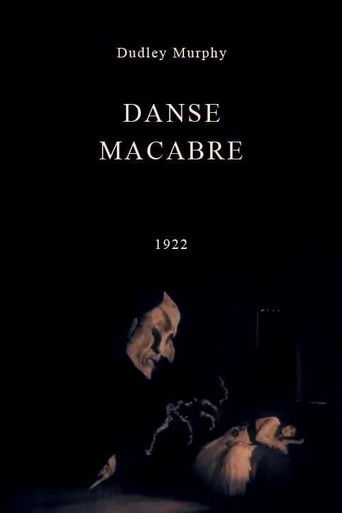
Made significant contributions to both classical ballet and early dance cinema. Born in St. Petersburg, he began his dance training at the Imperial Ballet School and quickly rose to prominence as a principal dancer with the Mariinsky Theatre. Bolm gained international fame as a member of Sergei Diaghilev's Ballets Russes, where he created memorable roles in works by choreographers like Michel Fokine and Vaslav Nijinsky. After leaving the Ballets Russes, he toured extensively throughout Europe and America before settling in the United States in 1916. He founded several dance companies, including the Ballet Intime in New York and later the San Francisco Opera Ballet. Bolm's appearance in the 1922 film 'Danse macabre' represented one of his rare forays into cinema, showcasing his exceptional dance technique for the medium. Throughout his later career, he focused on teaching and choreographing, becoming an influential figure in American dance education and helping to establish ballet as a serious art form in the United States.
The Craft
On Screen
While primarily known as a dancer rather than a traditional actor, Bolm's performance style was characterized by dramatic intensity, technical precision, and expressive physicality. His approach to dance-as-performance incorporated theatrical elements that translated well to the emerging medium of film, particularly in dance cinema where movement and emotion were conveyed through the body rather than dialogue.
Milestones
- Principal dancer with the Imperial Ballet (Mariinsky Theatre)
- Founding member of Diaghilev's Ballets Russes (1909-1916)
- Created the role of the Chief Warrior in 'The Firebird' (1910)
- Founded Ballet Intime in New York (1917)
- Directed the San Francisco Opera Ballet (1933-1942)
- Choreographed for Hollywood films including 'The Great Waltz' (1938)
- Taught at the School of American Ballet
Best Known For
Iconic Roles
Must-See Films
Accolades
Won
- Order of St. Stanislaus (Russia, pre-revolution)
- Order of St. Anne (Russia, pre-revolution)
- Honorary Member of the Royal Academy of Dancing
Special Recognition
- Inducted into the Dance Hall of Fame
- Honorary Doctorate from the University of California
- Bolm Dance Collection established at the New York Public Library for the Performing Arts
Working Relationships
Worked Often With
Studios
Why They Matter
Impact on Culture
Adolph Bolm played a crucial role in bridging Russian classical ballet traditions with American dance culture. As one of the first internationally renowned Russian dancers to settle permanently in the United States, he helped establish ballet as a serious art form in America. His work with the Ballets Russes introduced American audiences to revolutionary ideas in dance and choreography, while his later teaching and company leadership nurtured generations of American dancers. Bolm's foray into early dance cinema, particularly 'Danse macabre,' helped pioneer the medium of dance on film, influencing how dance would be captured and presented in movies for decades to come.
Lasting Legacy
Bolm's legacy endures through his contributions to American ballet education and the dancers he trained who went on to shape American dance. The companies he founded, particularly the San Francisco Opera Ballet, became cornerstones of regional American dance. His choreographic works, while not as frequently revived as those of some contemporaries, demonstrated innovative approaches to blending classical technique with modern theatrical sensibilities. The Bolm Dance Collection at the New York Public Library preserves his choreographic notes, photographs, and personal papers, ensuring that future generations can study his methods and artistic vision.
Who They Inspired
Bolm influenced American dance by bringing authentic Russian ballet training and aesthetics to American students. His teaching emphasized both technical precision and dramatic interpretation, a combination that became characteristic of American ballet training. Many of his students went on to become influential figures in American dance, helping to establish regional ballet companies and dance schools across the country. His work in film also influenced how dance would be choreographed and photographed in Hollywood productions, contributing to the development of the movie musical genre.
Off Screen
Adolph Bolm's personal life was marked by his dedication to dance and his role as a cultural ambassador between Russian and American dance traditions. He married Beatrice Loring, an American dancer, in 1918, though the marriage ended in divorce. Bolm was known as a demanding but inspiring teacher who mentored numerous dancers who went on to successful careers. His later years were spent primarily in California, where he continued teaching and choreographing until his death. Despite his prominence in the dance world, Bolm maintained a relatively private personal life, focusing his energy on his artistic work and students.
Education
Imperial Ballet School, St. Petersburg (graduated 1903)
Family
- Beatrice Loring (1918-1925)
Did You Know?
- Bolm was one of the few dancers from the original Ballets Russes to settle permanently in America
- He performed for the last Russian Tsar, Nicholas II, before the revolution
- During World War I, he served in the Russian army and was wounded in action
- His 1922 film 'Danse macabre' was one of the first dance films created specifically for cinema
- Bolm spoke five languages fluently, which helped him navigate international dance circles
- He was known for his intense rehearsal methods, sometimes rehearsing the same movement for hours
- Bolm created choreography for the first American production of 'The Nutcracker' in 1944
- He was friends with famous artists like Pablo Picasso and Igor Stravinsky through his Ballets Russes connections
- Despite his fame as a dancer, he considered teaching his most important contribution to dance
- Bolm's personal dance archives contain over 1,000 photographs documenting early 20th century ballet
In Their Own Words
Dance is not just movement; it is the poetry of the body made visible through music and emotion.
To teach dance is to give life to the traditions of the past while creating the innovations of the future.
The dancer must be both athlete and artist, combining physical perfection with spiritual expression.
In every movement, there must be meaning; in every step, there must be purpose.
Ballet is not merely entertainment; it is the highest form of human expression through the medium of movement.
Frequently Asked Questions
Who was Adolph Bolm?
Renowned Russian-born ballet dancer, choreographer, and dance educator who played a significant role in bringing classical ballet to America. He was a principal dancer with the Imperial Ballet and a founding member of Diaghilev's Ballets Russes before settling in the United States where he founded several dance companies and taught future generations of dancers.
What films is Adolph Bolm best known for?
Titles linked here include Danse macabre (1922), The Great Waltz (1938) - choreographer.
When was Adolph Bolm born and when did he die?
Born September 25, 1884; died April 16, 1951.
What awards did Adolph Bolm win?
During his career in Russia, Bolm received the Order of St. Stanislaus and the Order of St. Anne before the revolution. In later years, he was honored with an honorary doctorate from the University of California and was posthumously inducted into the Dance Hall of Fame. The New York Public Library also established the Bolm Dance Collection in his honor.
What was Adolph Bolm's choreographic style?
Bolm's choreographic style blended classical Russian technique with modern theatrical sensibilities, emphasizing dramatic storytelling and musical interpretation. He often incorporated character dance and folk elements into his classical works, creating pieces that were both technically demanding and emotionally resonant. His approach to dance-as-performance made him particularly effective in bridging ballet and early cinema.