Robert Falcon Scott
Actor
Born: June 6, 1868 in Plymouth, Devon, England Died: March 29, 1912 Active: 1924 (posthumous film appearance)
Films
1 film
About Robert Falcon Scott
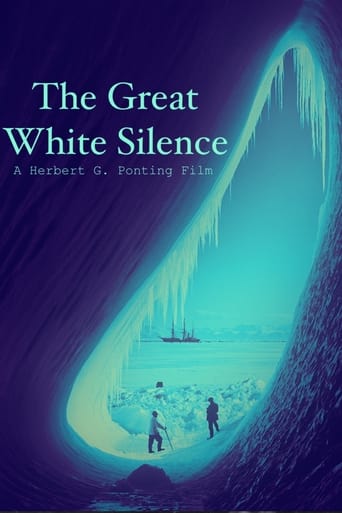
Robert Falcon Scott was not a professional actor but rather a British Royal Navy officer and Antarctic explorer whose life and final expedition were documented in the 1924 film 'The Great White Silence.' Born into a military family, Scott joined the Royal Navy at age 13 and eventually became interested in polar exploration. He led the British National Antarctic Expedition (Discovery Expedition) from 1901-1904, which established him as a prominent explorer. His most famous and final expedition was the Terra Nova Expedition (1910-1913), during which he and his companions reached the South Pole in January 1912, only to find they had been beaten by Roald Amundsen's Norwegian team by 33 days. Scott and his entire party perished on their return journey from the pole, with their bodies discovered months later. The film 'The Great White Silence' was created using actual footage captured by expedition photographer Herbert Ponting, making Scott's 'performance' entirely through authentic documentary footage rather than staged acting.
The Craft
On Screen
Not applicable - appears only through authentic documentary footage
Milestones
- Led Discovery Expedition (1901-1904)
- Commanded Terra Nova Expedition (1910-1913)
- Reached South Pole on January 17, 1912
- Subject of documentary 'The Great White Silence' (1924)
Best Known For
Iconic Roles
Must-See Films
Accolades
Special Recognition
- King's Polar Medal (1904)
- Commander of the Royal Victorian Order (CVO)
- Numerous geographic features named in his honor including Scott Coast and Scott Glacier
Working Relationships
Worked Often With
Why They Matter
Impact on Culture
Robert Falcon Scott's tragic story and the documentary footage in 'The Great White Silence' had a profound impact on how the public viewed polar exploration and the concept of heroic failure. The film, created by expedition photographer Herbert Ponting, was groundbreaking in its use of actual expedition footage and helped cement Scott's image as a tragic hero in the British imagination. His final messages and diary entries became iconic examples of British stoicism and sacrifice, influencing literature and popular culture for decades. The documentary itself was innovative for its time, combining actual footage with narrative elements to create a compelling story of exploration and tragedy.
Lasting Legacy
Robert Falcon Scott's legacy is complex and multifaceted - he is remembered both as a explorer and as a cautionary tale about the dangers of polar exploration. His scientific contributions from both expeditions were significant, including important geological, biological, and meteorological data. The Scott Polar Research Institute at Cambridge University was founded in his memory and remains a leading center for polar research. His story continues to fascinate historians and the public, with numerous books, films, and documentaries exploring his expeditions. The footage in 'The Great White Silence' represents some of the earliest documentary film of polar exploration and remains an invaluable historical record.
Who They Inspired
Scott's meticulous approach to scientific exploration influenced subsequent polar expeditions, and his detailed records and specimens contributed significantly to polar science. His tragic story and the documentation of his final expedition influenced how exploration was perceived by the public, shifting focus from mere achievement to the human cost of exploration. The documentary techniques used in 'The Great White Silence' influenced later documentary filmmaking, particularly in the use of authentic footage combined with narrative elements. His son Peter Markham Scott was influenced by his father's connection to nature and became a conservationist, founding the World Wildlife Fund and numerous other conservation organizations.
Off Screen
Robert Falcon Scott married Kathleen Bruce in 1908, and they had one son together, Peter Markham Scott, who would later become famous as a conservationist and artist. Scott came from a family with naval tradition - his father was a brewer and magistrate. He was known for his meticulous planning and scientific approach to exploration, though his final expedition has been criticized for some logistical decisions. His personal letters and diaries from the final expedition, found with his body, provide poignant insight into his character and the tragic circumstances of his death.
Education
Stubbington House School, Royal Naval College at Greenwich
Family
- Kathleen Bruce (1908-1912)
Did You Know?
- Robert Falcon Scott was nicknamed 'The Owner' by his expedition crew
- His final diary entry read: 'For God's sake look after our people'
- The tent containing Scott's body was buried and became a cairn, with a cross made from skis
- His son Peter Markham Scott was only 3 years old when his father died
- The Terra Nova ship was named after the expedition and later sank off Greenland in 1943
- Scott's original plan was to be a naval officer, not an explorer
- He was a skilled writer and his published works were commercially successful
- The South Pole station was named Amundsen-Scott Station to honor both explorers
- His expedition discovered over 200 new species of Antarctic life
- The footage in 'The Great White Silence' was shot by Herbert Ponting, one of the first photographers to use color photography in Antarctica
In Their Own Words
Great God! This is an awful place and terrible enough for us to have laboured to it without the reward of priority.
Had we lived, I should have had a tale to tell of the hardihood, endurance, and courage of my companions which would have stirred the heart of every Englishman.
We took risks, we knew we took them; things have come out against us, and therefore we have no cause for complaint.
These rough notes and our dead bodies must tell the tale.
Frequently Asked Questions
Who was Robert Falcon Scott?
British Royal Navy officer and Antarctic explorer who led two major expeditions to Antarctica, including the ill-fated Terra Nova Expedition during which he reached the South Pole but perished on the return journey. He appears posthumously in the 1924 documentary 'The Great White Silence' through authentic expedition footage.
What films is Robert Falcon Scott best known for?
Titles linked here include The Great White Silence (1924).
When was Robert Falcon Scott born and when did he die?
Born June 6, 1868; died March 29, 1912.
What awards did Robert Falcon Scott win?
Scott received the King's Polar Medal in 1904 and was made a Commander of the Royal Victorian Order (CVO). Numerous geographic features have been named in his honor, though he did not receive traditional film industry awards as his film appearance was posthumous documentary footage.
What was Robert Falcon Scott's 'acting' style?
Scott did not have an acting style as he was not a professional actor. His appearance in 'The Great White Silence' consists entirely of authentic documentary footage captured during his actual Antarctic expedition, showing him as the expedition leader in real situations rather than staged performances.