Films
1 film
About Hunting Horse
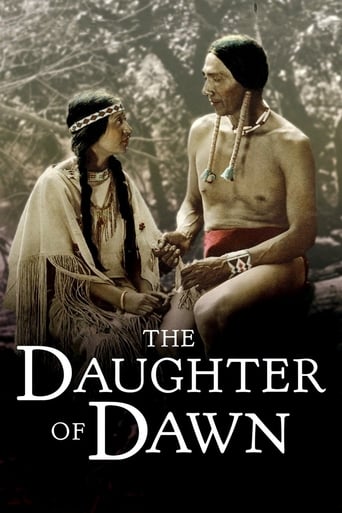
Kiowa Native American actor who gained recognition for his role in the 1920 silent film 'The Daughter of Dawn.' As a member of the Kiowa tribe, he was part of an extraordinary all-Native American cast that brought authentic indigenous storytelling to early cinema. The film was produced by the Norcom Motion Picture Corporation and filmed on location in the Wichita Mountains of Oklahoma, utilizing actual tribal members rather than white actors in redface. Hunting Horse's participation in this production represented a rare opportunity for Native Americans to portray their own culture and traditions during an era when Hollywood typically misrepresented indigenous peoples. Following his appearance in this single film, there are no documented records of additional film work, suggesting his acting career may have been limited to this historic production. His contribution to cinema, while brief, remains significant as part of one of the earliest authentic representations of Native American life in film history.
The Craft
On Screen
Naturalistic and authentic portrayal of Kiowa tribal life and traditions
Milestones
- Starred in 'The Daughter of Dawn' (1920), one of the first films with an all-Native American cast
- Participated in authentic representation of Kiowa culture in early cinema
Best Known For
Iconic Roles
Must-See Films
Accolades
Special Recognition
- Recognized posthumously as part of the cast of the historically significant 'The Daughter of Dawn'
Working Relationships
Worked Often With
Studios
Why They Matter
Impact on Culture
Hunting Horse's contribution to cinema, though limited to a single film, represents an important milestone in the representation of Native Americans in Hollywood. His participation in 'The Daughter of Dawn' helped create one of the earliest authentic depictions of indigenous life on screen, at a time when Native Americans were typically portrayed by white actors in stereotypical roles. The film's existence challenged the prevailing cinematic practices of the era and demonstrated the value of authentic cultural representation.
Lasting Legacy
Hunting Horse's legacy is preserved through his role in 'The Daughter of Dawn,' which was considered a lost film for nearly a century before its rediscovery in 2013. The film's restoration and subsequent recognition by the National Film Registry in 2013 have ensured that Hunting Horse and his fellow cast members receive acknowledgment for their work in cinema history. His participation serves as an early example of Native Americans taking control of their own narratives on film.
Who They Inspired
While direct influence on other performers is difficult to trace due to limited documentation, Hunting Horse's work in 'The Daughter of Dawn' stands as an early precedent for authentic Native American representation in cinema, predating the more recognized Native American actors of later decades by many years.
Off Screen
Very little is documented about Hunting Horse's personal life outside of his participation in 'The Daughter of Dawn.' As a Kiowa tribal member living in early 20th century Oklahoma, he would have experienced the transition from tribal lands to reservation life and the broader changes affecting Native American communities during this period.
Did You Know?
- 'The Daughter of Dawn' was considered a lost film for 93 years before being discovered in a private collection in 2013
- The film featured an all-Native American cast of approximately 150 Kiowa and Comanche people
- Many cast members, including Hunting Horse, were actual tribal members performing traditional ceremonies and dances
- The film was shot entirely on location in the Wichita Mountains of Oklahoma
- No professional actors were used in the production - all participants were tribal members
- The film was added to the National Film Registry in 2013 for its cultural significance
- Hunting Horse and other cast members were not paid traditional salaries but received shares in the film's profits
- The film's dialogue was presented through intertitles, as it was a silent film
- Many of the costumes and props used in the film were authentic tribal artifacts
- The film premiered at the Colony Theatre in New York City in October 1920
Frequently Asked Questions
Who was Hunting Horse?
Kiowa Native American with credits in this catalog.' He was part of an all-Native American cast that authentically portrayed indigenous life during the early silent film era.
What films is Hunting Horse best known for?
Titles linked here include The Daughter of Dawn (1920).
When was Hunting Horse born and when did he die?
Specific birth and death dates for Hunting Horse are not documented in historical records, which was common for Native American actors of the silent era who were not given the same biographical attention as white performers.
What awards did Hunting Horse win?
Hunting Horse did not receive any individual awards during his lifetime, but he was posthumously recognized as part of the cast of 'The Daughter of Dawn,' which was added to the National Film Registry in 2013 for its cultural significance.
What was Hunting Horse's acting style?
Hunting Horse's acting style was naturalistic and authentic, drawing from real Kiowa cultural traditions and ceremonies rather than theatrical techniques. His performance contributed to the film's groundbreaking authentic representation of Native American life.