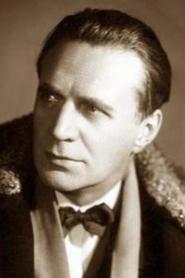
Ivan Bersenev
Actor
Born: March 15, 1889 in Moscow, Russian Empire Died: December 12, 1951 Active: 1915-1951 Birth Name: Ivan Nikolaevich Bersenev
Films
2 films
About Ivan Bersenev
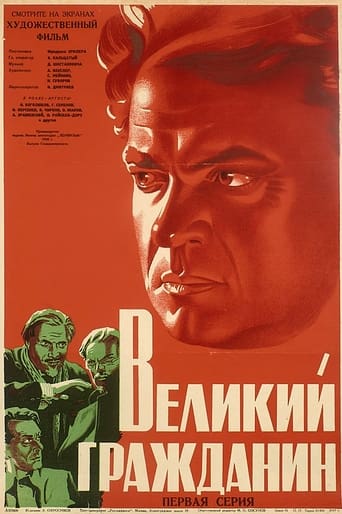
Soviet theater and film actor: from the silent era through the Golden Age of Soviet cinema. Born in Moscow in 1889, he began his theatrical career in the 1910s and quickly established himself as a prominent stage performer, eventually joining the prestigious Moscow Art Theatre. His transition to film in the 1920s marked the beginning of a significant cinematic career that would see him become one of the Soviet Union's most respected character actors. Bersenev's breakthrough film role came in Fridrikh Ermler's 'Great Citizen' (1938), where his powerful performance earned him both critical acclaim and the Stalin Prize. Throughout the 1930s and 1940s, he continued to balance his successful stage career with memorable film performances, often portraying complex, psychologically rich characters that reflected the social and political realities of Soviet life. His later work in films like 'In the Mountains of Yugoslavia' (1946) demonstrated his versatility and commitment to politically engaged cinema. Bersenev's contributions to Soviet arts were recognized with the highest honors, including the title of People's Artist of the USSR in 1939. He remained active in both theater and film until his death in 1951, leaving behind a legacy as actors of his generation.
The Craft
On Screen
Bersenev was known for his deep psychological realism and methodical approach to character development. His performances were characterized by intense emotional depth, precise diction, and a commanding stage presence that translated effectively to film. He specialized in portraying complex, morally ambiguous characters, bringing nuance and humanity to even politically charged roles. His technique combined classical theatrical training with innovative psychological insights, making him particularly effective in both historical dramas and contemporary Soviet narratives.
Milestones
- Joined Moscow Art Theatre
- Starred in 'Great Citizen' (1938)
- Received People's Artist of USSR title (1939)
- Won Stalin Prize (1941)
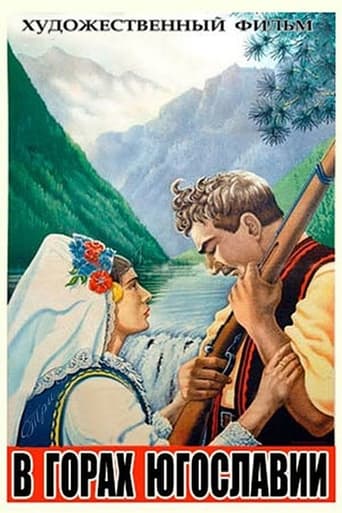
- Performed in 'In the Mountains of Yugoslavia' (1946)
Best Known For
Iconic Roles
Must-See Films
Accolades
Won
- People's Artist of the USSR (1939)
- Stalin Prize (1941)
- Order of Lenin (1949)
- Order of the Red Banner of Labour (1938)
Special Recognition
- Honored Artist of the RSFSR (1933)
- People's Artist of the USSR (1939)
Working Relationships
Worked Often With
Studios
Why They Matter
Impact on Culture
Ivan Bersenev played a significant role in shaping Soviet theatrical and cinematic culture during the Stalin era. His performances in politically significant films like 'Great Citizen' helped establish the template for the Soviet hero archetype - complex, ideologically committed, yet psychologically nuanced. As a leading actor at the Moscow Art Theatre, he helped preserve and evolve Stanislavski's acting methods, ensuring their continued relevance in Soviet theater. His work bridged the gap between theatrical tradition and cinematic innovation, demonstrating how classical acting techniques could be adapted for the screen. Bersenev's career exemplified the Soviet ideal of the artist as both cultural worker and social educator, using his talents to support the state's cultural and political objectives while maintaining artistic integrity.
Lasting Legacy
Ivan Bersenev's legacy endures through his influence on Soviet acting methodology and his memorable film performances that continue to be studied by film scholars. As one of the first generation of Soviet actors to successfully transition from stage to screen, he helped establish standards for film acting in the USSR. His work at the Moscow Art Theatre contributed to the institution's reputation as one of the world's greatest theatrical companies. The characters he portrayed, particularly in 'Great Citizen,' remain iconic representations of Soviet cinema's golden age. His approach to character development and psychological realism influenced subsequent generations of Soviet actors, and his films are now considered important historical documents of their era.
Who They Inspired
Bersenev's influence extended beyond his immediate performances to shape the broader development of Soviet acting pedagogy. His synthesis of Stanislavski's system with practical film experience provided a model for actors navigating both stage and screen. Younger actors at the Moscow Art Theatre learned from his example of combining technical precision with emotional authenticity. His work in socialist realist cinema helped define the aesthetic parameters of the genre, showing how ideological content could be conveyed through psychologically complex performances. Contemporary Russian actors and directors continue to reference his techniques when discussing the foundations of Russian acting tradition.
Off Screen
Ivan Bersenev was known to be intensely private about his personal life, focusing primarily on his artistic career. He was married and had children, though detailed information about his family remains limited in public sources. His dedication to his craft was, often spending countless hours perfecting his roles both on stage and screen. Despite his fame, he maintained a modest lifestyle and was respected by colleagues for his professionalism and artistic integrity. His death in 1951 marked the end of an era for Soviet theater and cinema.
Education
Graduated from theatrical school, studied under prominent Moscow theater directors of the early 20th century
Family
- Unknown - limited public information
Did You Know?
- Was one of the few actors to successfully maintain prominence during both the Stalin purges and World War II
- His performance in 'Great Citizen' was used as a teaching example in Soviet acting schools
- Spent over 30 years as a member of the Moscow Art Theatre company
- Was known for his meticulous preparation, sometimes spending months researching historical roles
- Received the Stalin Prize despite the political dangers associated with such recognition during that era
- His film 'In the Mountains of Yugoslavia' was one of the first Soviet films to portray Yugoslav partisans
- Continued performing on stage even after achieving film stardom
- Was known to reject roles that he felt were artistically compromised
- His death in 1951 coincided with a period of increased cultural repression in the USSR
- Never emigrated despite having opportunities to work abroad
In Their Own Words
The actor must serve the truth of the character, not the truth of reality
The stage is our laboratory, the camera is our witness
In every role, we must find the human being behind the ideology
Art must have a purpose, but purpose alone is not art
Frequently Asked Questions
Who was Ivan Bersenev?
Prominent Soviet theater and film with credits in this catalog. He was best known for his work at the Moscow Art Theatre and his roles in Soviet films including 'Great Citizen' (1938) and 'In the Mountains of Yugoslavia' (1946). He was honored as a People's Artist of the USSR and received the Stalin Prize for his contributions to Soviet arts.
What films is Ivan Bersenev best known for?
Titles linked here include Great Citizen (1938), In the Mountains of Yugoslavia (1946).
When was Ivan Bersenev born and when did he die?
Born March 15, 1889; died December 12, 1951.
What awards did Ivan Bersenev win?
Bersenev received the highest artistic honors in the Soviet Union, including the title of People's Artist of the USSR in 1939, the Stalin Prize in 1941, the Order of Lenin in 1949, and the Order of the Red Banner of Labour in 1938. He was also named an Honored Artist of the RSFSR in 1933.
What was Ivan Bersenev's acting style?
Bersenev was known for his deep psychological realism and methodical approach to character development, influenced by Stanislavski's system. His performances featured intense emotional depth, precise diction, and a commanding presence that worked effectively in both theater and film. He specialized in complex, psychologically rich characters while maintaining ideological commitment to Soviet artistic principles.