

Films
3 films
About M. Skavronskaya
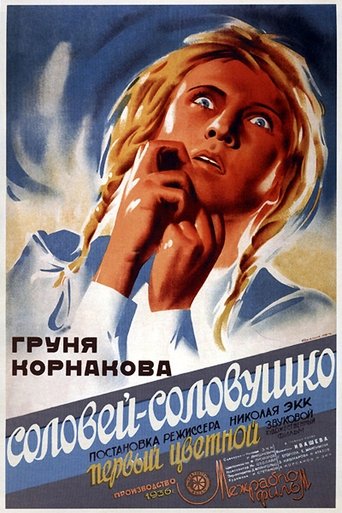
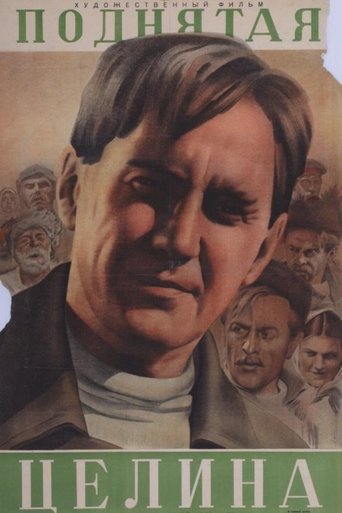
Maria Skavronskaya — Soviet actress who had a brief but notable career during the late 1930s, appearing in several significant films of the era. She emerged during a transformative period in Soviet cinema, participating in both dramatic productions and the emerging genre of Soviet fairy tale films. Her most prominent role was in 'Vassilisa the Beautiful' (1939), directed by Alexander Rou, which became one of the first Soviet color films and a classic of Russian fantasy cinema. Skavronskaya's from 1936 to 1940, coinciding with the Stalinist era of Soviet filmmaking. M. Appears in 'Nightingale' (1936) and 'The New Land' (1940), showcasing her versatility across different genres. Despite her limited filmography, her performances contributed to important works of Soviet cinema during this period. Her career appears to have been cut short by the circumstances of World War II and the changing landscape of Soviet film production.
The Craft
On Screen
Classical Soviet acting style of the 1930s, characterized by theatrical expressiveness and emotional intensity typical of the period's socialist realist aesthetic
Milestones
- Starred in 'Vassilisa the Beautiful' (1939), one of the first Soviet color films
- Appeared in 'Nightingale' (1936)
- Featured in 'The New Land' (1940)
Best Known For
Iconic Roles
Must-See Films
Working Relationships
Worked Often With
Studios
Why They Matter
Impact on Culture
Maria Skavronskaya contributed to Soviet cinema during a crucial period when the industry was establishing its identity and producing works that would become cultural touchstones. Her participation in 'Vassilisa the Beautiful' placed her in the vanguard of Soviet color filmmaking and fantasy cinema, genres that would influence generations of Russian filmmakers. Though not a major star, her work exemplified the ensemble approach to Soviet film production, where character actors played essential roles in creating the collective vision of socialist realism.
Lasting Legacy
Skavronskaya's legacy is primarily preserved through her appearances in notable Soviet films of the late 1930s, particularly 'Vassilisa the Beautiful,' which remains a classic of Russian fantasy cinema. Her performances serve as historical artifacts of Soviet acting techniques and film production methods during the Stalin era. While her name may not be widely recognized outside of specialized film scholarship circles, her contributions to these important cultural works ensure her place in the history of Soviet cinema.
Who They Inspired
As a character actress in the Soviet film system, Maria Skavronskaya's influence would have been primarily through her work in ensemble casts, contributing to the overall artistic vision of directors like Alexander Rou. Her performances helped establish the visual and dramatic language of Soviet fantasy cinema, which would influence subsequent generations of Russian filmmakers working in similar genres.
Off Screen
Limited information is available about Maria Skavronskaya's personal life, as was common for many Soviet-era character actors whose biographies were not extensively documented in Western sources.
Did You Know?
- Appeared in 'Vassilisa the Beautiful,' which was one of the first Soviet films produced in color using the Agfacolor process
- Her film career was concentrated during a brief four-year period from 1936 to 1940
- Worked during the height of Stalin's cultural control over Soviet cinema
- Participated in the emerging genre of Soviet fairy tale films
- Her career coincided with the Soviet Union's expansion of film production and technical capabilities
- Like many Soviet actors of her era, her biography remains poorly documented in Western sources
Frequently Asked Questions
Who was M. Skavronskaya?
Maria Skavronskaya — Soviet actress active in the late 1930s, known for her roles in films including 'Vassilisa the Beautiful' (1939), 'Nightingale' (1936), and 'The New Land' (1940). She was part of the Soviet state film system during the Stalin era.
What films is M. Skavronskaya best known for?
Titles linked here include Vassilisa the Beautiful (1939), Nightingale (1936).
When was M. Skavronskaya born and when did she die?
Specific birth and death dates for Maria Skavronskaya are not readily available in documented sources, which is common for many Soviet character actors of her era whose biographical information was not extensively preserved.
What awards did M. Skavronskaya win?
There are no documented awards or nominations for Maria Skavronskaya in available sources, which was typical for many supporting actors in the Soviet film system of the 1930s.
What was M. Skavronskaya's acting style?
Her acting style reflected the classical Soviet approach of the 1930s, characterized by theatrical expressiveness and emotional intensity consistent with the socialist realist aesthetic that dominated Soviet cinema during this period.