
Films
1 film
About Marshall Rogers
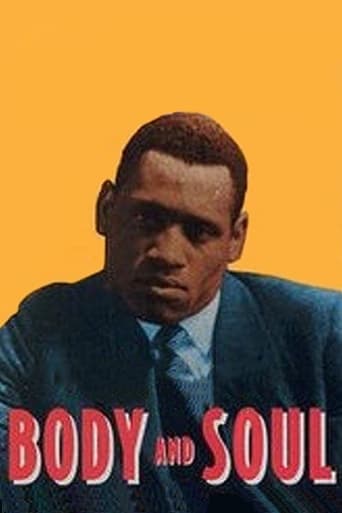
Marshall Rogers worked on one surviving credit: Body and Soul (1925). His known filmography consists of a single appearance in the 1925 film 'Body and Soul,' directed by Oscar Micheaux, which was one of the earliest surviving feature films directed by an African American. Rogers' career appears to have been extremely brief, with no other documented film credits beyond this single role. As was common with many supporting actors of the silent era, particularly those working in independent or race films, detailed biographical information about his life and career is scarce. His participation in Micheaux's work places him within the important context of early African American cinema, though his personal story remains largely undocumented in film history archives.
The Craft
Milestones
- Appeared in Oscar Micheaux's 'Body and Soul' (1925)
- Participated in early African American independent cinema
Best Known For
Iconic Roles
Must-See Films
Working Relationships
Worked Often With
Studios
Why They Matter
Impact on Culture
Marshall Rogers' contribution to cinema, while minimal in scope, is historically significant due to his participation in Oscar Micheaux's 'Body and Soul' (1925). This film represents an important milestone in African American cinema as one of the earliest surviving feature films directed by an African American. By appearing in this groundbreaking work, Rogers became part of the foundation of Black filmmaking in America, even though his individual contribution was small and his career brief. His involvement exemplifies how many actors of the era participated in creating culturally important works that have survived long after their names faded from public memory.
Lasting Legacy
Marshall Rogers' legacy is tied directly to his appearance in 'Body and Soul,' which has become an important historical artifact in American cinema history. While he did not achieve lasting fame or recognition during his lifetime, his participation in this early African American film ensures his place in the historical record of Black cinema. The film itself has gained cultural significance over time, particularly for featuring an early performance by Paul Robeson in his film debut, making all cast members, including Rogers, part of an important cinematic milestone.
Who They Inspired
Given his extremely brief film career with only one known credit, Marshall Rogers did not have a documented influence on other actors or filmmakers. However, his participation in Oscar Micheaux's work contributes to the broader influence that early African American independent cinema had on future generations of Black filmmakers and performers.
Off Screen
Very little is known about Marshall Rogers' personal life, which is typical for many supporting actors from the silent era who worked in independent productions. His brief appearance in film history leaves no documented records of his family life, relationships, or activities outside of his single known film credit.
Did You Know?
- Marshall Rogers appeared in only one known film during his entire career
- His film 'Body and Soul' (1925) was directed by African American filmmaker Oscar Micheaux
- The film is notable for featuring Paul Robeson in his film debut
- 'Body and Soul' is one of the earliest surviving feature films directed by an African American
- Like many silent era actors who worked in independent productions, detailed biographical information about Rogers is virtually nonexistent
- The film was considered lost for many years before being rediscovered and preserved
- Rogers was part of the early movement of African American actors working in 'race films' - films made by Black casts for Black audiences
Frequently Asked Questions
Who was Marshall Rogers?
Screen credits include only one known film, 'Body and Soul' (1925), directed by Oscar Micheaux. His career was extremely brief, consisting of this single appearance in what became an historically significant early African American film.
What films is Marshall Rogers best known for?
Titles linked here include Body and Soul (1925).
When was Marshall Rogers born and when did he die?
Specific birth and death dates for Marshall Rogers are not documented in historical records, which is common for many supporting actors from the silent era who worked in independent productions. His only known film work dates from 1925.
What awards did Marshall Rogers win?
Marshall Rogers did not receive any documented awards or recognition during his lifetime. His brief career in silent film predates most major film awards, and as a supporting actor in independent cinema, he would not have been considered for such honors.
What was Marshall Rogers' acting style?
Due to the lack of extensive filmography and documentation, Marshall Rogers' specific acting style cannot be determined. His only known appearance was in a silent film, so his performance would have relied on the exaggerated physical expressions typical of the era.
Why is Marshall Rogers significant in film history?
Marshall Rogers is significant primarily because of his participation in 'Body and Soul' (1925), one of the earliest surviving feature films directed by an African American. His involvement places him within the important context of early Black cinema, even though his individual career was minimal.