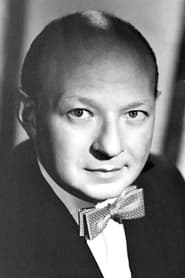
Robert H. Harris
Actor
Born: July 15, 1911 in New York City, New York, USA Died: November 20, 1981 Active: 1940s-1981
Films
1 film
About Robert H. Harris
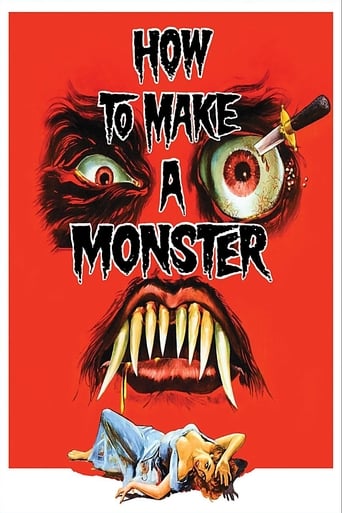
Prolific American character actor: over three decades in Hollywood, though his most recognized work came during the 1950s and 1960s. Born in 1911, Harris began his acting career in the 1940s, quickly establishing himself as a reliable supporting player in both films and television. He possessed a distinctive presence that made him particularly effective in authoritative roles, often playing executives, doctors, and officials. His performance in 'How to Make a Monster' (1959) as Rivero, the studio head, showcased his ability to bring gravitas to even the most genre-oriented productions. Throughout his career, Harris appeared in more than 100 film and television productions, becoming a familiar face to audiences of classic Hollywood cinema. He transitioned seamlessly between dramatic roles and lighter fare, demonstrating remarkable versatility as a character actor. Harris continued working steadily through the 1970s, appearing in popular television series and maintaining his reputation as a dependable professional until his death in 1981.
The Craft
On Screen
Robert H. Harris was known for his naturalistic yet authoritative screen presence, often bringing a sense of credibility and weight to supporting roles. He excelled at portraying professionals and authority figures with a grounded, realistic approach that made his characters believable regardless of the genre. His technique was understated yet effective, relying on subtle facial expressions and a measured delivery of dialogue rather than theatrical gestures. Harris had the rare ability to be both memorable and unobtrusive, supporting the leads while creating fully realized characters that enhanced the overall production.
Milestones
- Breakthrough role in 'The Big Clock' (1948)
- Memorable performance in 'How to Make a Monster' (1959)
- Extensive television work in the 1960s
- Character roles in major Hollywood productions throughout the 1950s-1970s
Best Known For
Iconic Roles
Must-See Films
Working Relationships
Worked Often With
Studios
Why They Matter
Impact on Culture
Robert H. Harris represents the quintessential character actor of Hollywood's Golden Age and beyond, contributing to the American cinema through his numerous supporting roles. His work in genre films like 'How to Make a Monster' helped elevate B-movie productions by providing professional credibility and gravitas to otherwise fantastical scenarios. Harris exemplified the journeyman actor who, while never achieving stardom, became an essential component of the Hollywood studio system, lending authenticity to countless productions. His presence in both serious dramas and genre entertainment demonstrated the versatility required of character actors during this era of filmmaking.
Lasting Legacy
Robert H. Harris's legacy lies in his extensive body of work that spans multiple decades and genres, serving as proof of the importance of character actors in cinema history. While leading actors often receive the majority of attention, performers like Harris provided the foundation upon which great films were built. His ability to consistently deliver believable performances across various genres made him a valuable asset to directors and studios alike. Today, film historians and classic cinema enthusiasts recognize Harris as part of the essential supporting cast that defined Hollywood's golden era.
Who They Inspired
As a respected character actor, Robert H. Harris influenced subsequent generations of supporting players through his professionalism and versatility. His approach to character development—creating fully realized personalities even in limited screen time—served as a model for actors specializing in supporting roles. Harris demonstrated that success in Hollywood didn't necessarily require stardom, but rather consistency, reliability, and the ability to enhance any production through skilled performance.
Off Screen
Robert H. Harris maintained a relatively private personal life despite his lengthy career in entertainment. He was known among his colleagues as a dedicated professional who took his craft seriously but avoided the Hollywood spotlight when not working. Harris was married and had children, though specific details about his family life remain largely undocumented in public sources. His focus remained primarily on his work rather than celebrity status, which contributed to his longevity in the industry.
Education
Unknown - educational background not documented in public sources
Family
- Unknown - private information
Did You Know?
- Appeared in over 100 film and television productions throughout his career
- Was particularly effective in playing authority figures and professionals
- Worked extensively with Roger Corman on several productions
- His role in 'How to Make a Monster' was one of his most memorable genre performances
- Transitioned successfully from film to television as the industry evolved in the 1950s
- Often played characters much older than his actual age
- Was a reliable choice for directors seeking actors who could deliver professional performances quickly
- Never achieved leading man status but was consistently employed throughout his career
- His distinctive voice and demeanor made him easily recognizable to audiences
- Worked well into the 1970s, appearing in popular television series of the era
Frequently Asked Questions
Who was Robert H. Harris?
Screen credits include over 100 film and television productions from the 1940s through the 1970s. He was known for playing authority figures and professionals with a distinctive, authoritative presence that brought credibility to his roles.
What films is Robert H. Harris best known for?
Titles linked here include How to Make a Monster (1959), The Big Clock (1948).
When was Robert H. Harris born and when did he die?
Born July 15, 1911; died November 20, 1981.
What awards did Robert H. Harris win?
Robert H. Harris did not receive major awards or nominations during his career, though he was highly respected within the industry as a reliable and talented character actor.
What was Robert H. Harris's acting style?
Harris was known for his naturalistic yet authoritative screen presence, excelling at portraying professionals and authority figures with a grounded, realistic approach. His technique was understated yet effective, relying on subtle expressions and measured dialogue delivery.