Films
1 film
About Ludwig Kreiss
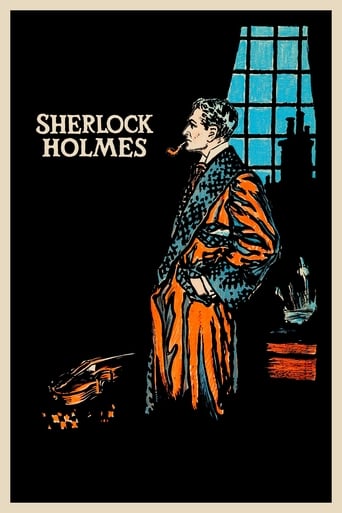
Ludwig Kreiss worked on one surviving credit: Sherlock Holmes (1916). His career appears to have been extremely brief, spanning only the year 1916 based on available film records. The 1916 Sherlock Holmes film was significant as it starred William Gillette, the actor who had previously achieved great success portraying Holmes on stage and had helped define the character's visual appearance for generations. Kreiss was part of the supporting cast in this historically important production, which was considered lost for decades before being rediscovered in 2014. Very little is known about his life beyond this single film appearance, which was typical for many bit players and supporting actors of the early silent era who often left minimal historical traces. His brief career coincided with the early years of feature-length filmmaking in America, a period when the film industry was still establishing its professional norms and record-keeping practices.
The Craft
Milestones
- Appeared in the 1916 film adaptation of Sherlock Holmes starring William Gillette
Best Known For
Iconic Roles
Must-See Films
Working Relationships
Studios
Why They Matter
Impact on Culture
Ludwig Kreiss's cultural impact is minimal due to his extremely brief career, though his participation in the historically significant 1916 Sherlock Holmes film places him within the context of early cinema history. This particular film is culturally important as it represents the earliest known surviving appearance of Sherlock Holmes on film and features William Gillette, who was instrumental in defining the character's iconic look including the deerstalker cap and curved pipe. The film's rediscovery in 2014 made headlines in film preservation circles, bringing renewed attention to all involved in its production, including supporting actors like Kreiss.
Lasting Legacy
Ludwig Kreiss's legacy is primarily that of a representative example of the many anonymous or little-known actors who populated early silent films. His story illustrates how countless performers contributed to cinema's development without achieving lasting fame or recognition. The rediscovery of Sherlock Holmes (1916) has ensured that his contribution, however small, is preserved in film history, serving as a reminder of the collaborative nature of early filmmaking.
Who They Inspired
Due to the brevity of his career and his status as a supporting actor, Ludwig Kreiss had no known direct influence on other actors or filmmakers. His influence is limited to his participation in a film that has become historically significant for its role in early Sherlock Holmes adaptations.
Off Screen
Very little information is available about Ludwig Kreiss's personal life, which was common for many supporting actors in the silent era whose careers were brief and who did not achieve star status.
Did You Know?
- Ludwig Kreiss appeared in only one known film during his career
- The 1916 Sherlock Holmes film was considered lost for nearly a century before being rediscovered in 2014
- His film featured William Gillette, who had played Holmes on stage over 1,300 times
- The rediscovered Sherlock Holmes (1916) was found in the archives of the Cinémathèque Française
- The film was produced by Essanay Studios, one of the early major film production companies
- Kreiss was one of several German actors working in American cinema during this period
- The 1916 Sherlock Holmes is the earliest known surviving film adaptation of Arthur Conan Doyle's detective
- Supporting actors from this era often received little documentation in studio records
Frequently Asked Questions
Who was Ludwig Kreiss?
German with credits in this catalog. His active years covered only the single year of 1916, making him one of many actors from early cinema who left minimal historical records.
What films is Ludwig Kreiss best known for?
Titles linked here include Sherlock Holmes (1916).
When was Ludwig Kreiss born and when did he die?
Unfortunately, specific birth and death dates for Ludwig Kreiss are not available in historical records, which is common for many supporting actors from the silent era who had brief careers and did not achieve star status.
What awards did Ludwig Kreiss win?
Ludwig Kreiss did not receive any known awards or nominations during his brief career in 1916. The Academy Awards were not established until 1929, well after his acting career had ended.
What was Ludwig Kreiss's acting style?
There is no documented information about Ludwig Kreiss's specific acting style or techniques. As a supporting actor in a single silent film from 1916, his performance would have followed the typical dramatic acting conventions of the early silent era, which emphasized exaggerated gestures and facial expressions to convey emotion without dialogue.