Films
1 film
About Vasyl Krasenko
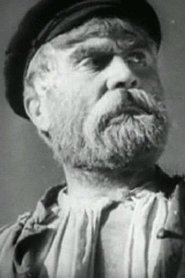
Ukrainian actor who emerged during the transformative period of Soviet cinema in the late 1920s and early 1930s. His career, though brief, through his powerful performance in Alexander Dovzhenko's masterpiece 'Earth' (1930), where he portrayed the character Opanas, representing the traditional peasant class resisting collectivization. Krasenko's naturalistic acting style embodied the earthy, authentic qualities that Dovzhenko sought for his poetic realist approach to filmmaking. His performance captured the spiritual connection between Ukrainian peasants and their land, making his character a symbol of resistance against forced collectivization policies. Following his acclaimed role in 'Earth,' Krasenko's career in cinema appears to have been limited, possibly due to the political pressures of the Stalinist era that affected many artists in Soviet Ukraine. His contribution to one of cinema's most important silent films has ensured his place in film history, despite the brevity of his screen career. Krasenko's work represents the golden age of Ukrainian cinema before the devastating effects of Stalinist cultural policies.
The Craft
On Screen
Naturalistic and earthy performance style, embodying the authentic peasant character with deep emotional resonance and physical presence that reflected the connection between humans and their land
Milestones
- Starred in Alexander Dovzhenko's 'Earth' (1930)
- Portrayed the character Opanas in one of cinema's greatest silent films
- Contributed to the Ukrainian poetic cinema movement
Best Known For
Iconic Roles
Must-See Films
Accolades
Special Recognition
- Recognized as part of the cast of one of the greatest films in cinema history
Working Relationships
Worked Often With
Studios
Why They Matter
Impact on Culture
Vasyl Krasenko's performance in 'Earth' contributed significantly to. His portrayal of Opanas helped create a powerful visual and emotional narrative about the struggle between tradition and progress, individual and collective, that resonated far beyond its immediate Soviet context. The film itself became a touchstone for poetic realism and influenced filmmakers from Andrei Tarkovsky to Terrence Malick. Krasenko's authentic representation of the Ukrainian peasant experience helped preserve a cultural memory that was later suppressed during Stalin's regime.
Lasting Legacy
Though his filmography consists primarily of one significant role, Vasyl Krasenko's legacy is secured through his contribution to 'Earth,' which consistently appears on lists of the greatest films ever made, including Sight & Sound's prestigious critics' poll. His performance stands as proof of the power of minimalist, naturalistic acting in conveying profound emotional and philosophical themes. The character he portrayed has become an archetypal figure representing resistance to authoritarianism and the deep connection between people and their ancestral lands.
Who They Inspired
Krasenko's naturalistic acting approach in 'Earth' influenced subsequent generations of actors working in realist traditions, particularly in Eastern European cinema. His ability to convey complex emotions through subtle physical expression and minimal dialogue demonstrated the power of silent film performance at its most sophisticated. The authenticity he brought to the role of Opanas set a standard for peasant characterizations in cinema that would be referenced in films dealing with rural life and social change.
Off Screen
Very limited information is available about Vasyl Krasenko's personal life, which was common for many Soviet actors of his era whose lives were not extensively documented. His brief but significant contribution to cinema came during a complex period in Soviet cultural history.
Did You Know?
- 'Earth' was initially controversial in the Soviet Union for its sympathetic portrayal of peasants resisting collectivization
- The film was banned in the USSR shortly after its release but later rehabilitated
- Krasenko's character Opanas represents the older generation's resistance to Soviet agricultural policies
- Despite being a silent film, 'Earth' was made in 1930 when sound was already established, making it part of the final wave of silent masterpieces
- The film's visual poetry and symbolic imagery influenced the French poetic realist movement
- Krasenko's performance was particularly praised by international critics for its authenticity
- The character he portrayed becomes a martyr figure in the film's narrative structure
- His role required minimal dialogue but maximum emotional impact through physical performance
Frequently Asked Questions
Who was Vasyl Krasenko?
Ukrainian with credits in this catalog.' Though his film career was brief, his performance in this critically acclaimed film secured his place in cinema history as part of.
What films is Vasyl Krasenko best known for?
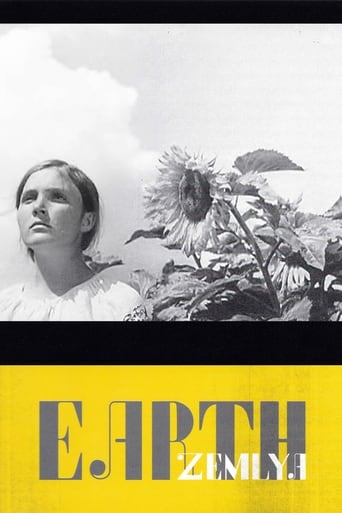
Titles linked here include Earth (1930).
What was Vasyl Krasenko's role in 'Earth'?
Krasenko played Opanas, an elderly Ukrainian peasant who represents traditional farming values and resists the collectivization policies being implemented by the Soviet government. His character embodies the deep spiritual connection between peasants and their ancestral land.
Why is 'Earth' considered an important film?
'Earth' is celebrated for its poetic visual style, innovative cinematography, and powerful humanistic themes. The film explores the conflict between tradition and progress during Soviet collectivization, using stunning imagery and minimal dialogue to create a universal story about humanity's relationship with nature and society.
What was Vasyl Krasenko's acting style?
Krasenko employed a naturalistic, earthy acting style that perfectly suited Dovzhenko's poetic realist approach. His performance was characterized by authentic physical expression and emotional depth, conveying complex feelings through subtle gestures and facial expressions rather than dramatic gestures.
How did Vasyl Krasenko influence cinema?
Through his performance in 'Earth,' Krasenko contributed to establishing a standard for authentic peasant characterizations in cinema. His naturalistic approach influenced subsequent generations of actors working in realist traditions, particularly in Eastern European and art cinema.