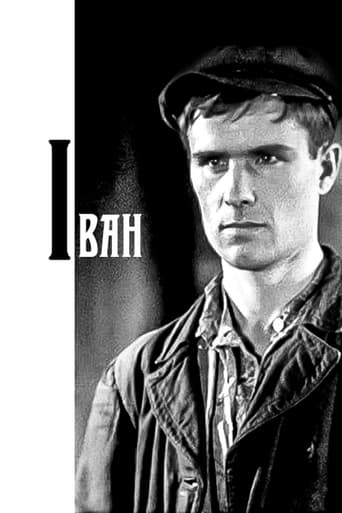
Films
1 film
About Maksim Gornatko
Soviet actor: known film career consisted of a single appearance in the 1932 film 'Ivan'. Working during the early Soviet sound era, he was part of the transitional generation of performers who moved from silent films to talkies. His appearance in 'Ivan' places him within the context of early Soviet cinema, which was heavily influenced by the revolutionary ideals of the time. The film itself was produced during a period when Soviet cinema was establishing its distinctive artistic voice separate from Hollywood conventions. Unfortunately, due to the limited documentation of minor actors from this era and the vast scope of Soviet film production, detailed records of Gornatko's life and career are scarce. His single known film role suggests he may have been either a stage actor who briefly ventured into film, or someone whose acting career was cut short by the political and social upheavals of the 1930s in the Soviet Union.
The Craft
Milestones
- Appeared in the Soviet film 'Ivan' (1932)
Best Known For
Iconic Roles
Must-See Films
Working Relationships
Studios
Why They Matter
Impact on Culture
As a minor actor in early Soviet cinema, Maksim Gornatko represents the countless performers who contributed to the foundation of Soviet film art during its formative years. His appearance in 'Ivan' (1932) places him within the important transitional period when Soviet cinema was developing its unique identity and artistic language. While not a major star, actors like Gornatko were essential to the film industry's growth, providing the human element that brought revolutionary narratives and socialist realist stories to life. The scarcity of information about such performers also highlights the challenges of film preservation and historical documentation in the Soviet era, where many records were lost or never properly maintained.
Lasting Legacy
Maksim Gornatko's legacy is primarily that of a representative figure from the early Soviet film era, embodying the experience of countless actors whose contributions to cinema history have been largely undocumented. His single known film role serves as a reminder of the vast number of performers who participated in the golden age of Soviet cinema but whose names have faded from historical memory. The existence of actors like Gornatko underscores the collaborative nature of filmmaking and how even minor roles contribute to the overall artistic achievement of classic films. His story also reflects the broader challenges of preserving film history from the Soviet period, where political upheavals and inadequate archival systems have resulted in significant gaps in our knowledge of cinema's development.
Who They Inspired
Due to the limited scope of his known film work, there is no documented evidence of Maksim Gornatko's direct influence on other actors or filmmakers. However, as a participant in early Soviet cinema, he was part of an artistic movement that would eventually influence filmmakers worldwide through its innovative techniques and unique approach to storytelling.
Off Screen
Very limited information is available about Maksim Gornatko's personal life, which was common for minor actors in early Soviet cinema who were not extensively documented in film archives.
Did You Know?
- Appeared in only one known film throughout his entire career
- His film 'Ivan' (1932) was produced during the early years of Soviet sound cinema
- Represents the many undocumented actors from early Soviet film history
- All film credits listed here fall in a single year
- The film 'Ivan' was made during the First Five-Year Plan period in the Soviet Union
- Like many Soviet actors of his era, his personal details remain largely unknown to Western film historians
Frequently Asked Questions
Who was Maksim Gornatko?
Soviet with credits in this catalog. He represents one of the many minor actors from early Soviet cinema whose complete biographical information has been lost to history.
What films is Maksim Gornatko best known for?
Titles linked here include Ivan (1932).
When was Maksim Gornatko born and when did he die?
Unfortunately, the birth and death dates of Maksim Gornatko are not documented in available film archives, which was common for minor actors in early Soviet cinema.
What awards did Maksim Gornatko win?
There are no records of Maksim Gornatko receiving any awards or nominations for his work in film, which is typical for actors with very limited filmographies in this era.
What was Maksim Gornatko's acting style?
Due to the limited documentation of his work and the fact that only one of his films is known, there is insufficient information to determine Maksim Gornatko's specific acting style or techniques.