
Félix Galipaux
Actor
Born: February 23, 1860 in Bordeaux, France Died: December 10, 1931 Active: 1880s-1931
Films
1 film
About Félix Galipaux
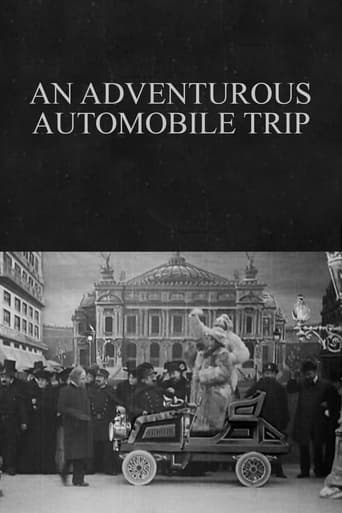
Prominent French actor, comedian, and playwright who gained fame primarily through his theatrical career before briefly venturing into early cinema. Born into a middle-class family in Bordeaux, he developed his comedic talents on the Parisian stage, becoming a celebrated figure at the Théâtre du Palais-Royal and other prestigious venues. Galipaux was known for his physical comedy, witty dialogue delivery, and ability to create memorable characterizations that delighted Parisian audiences for decades. His transition to film was minimal but significant, with his most notable screen appearance being in Georges Méliès' 'An Adventurous Automobile Trip' in 1904, where he showcased his comedic timing in the emerging medium of cinema. Beyond performing, Galipaux was also a successful playwright, authoring several comedies that were performed throughout France. His the transition from the Belle Époque to the early years of cinema, making him an important figure in French entertainment history. Despite his limited filmography, his influence on French comedy and theatrical tradition was substantial.
The Craft
On Screen
Galipaux was known for his exuberant physical comedy, precise timing, and ability to create distinct character voices. His style incorporated elements of the French tradition of boulevard theatre, combining slapstick with sophisticated wit. He excelled in both verbal and non-verbal comedy, using his expressive face and body language to great effect. His performances were characterized by their energy, spontaneity, and connection with the audience.
Milestones
- Stage debut at Théâtre du Palais-Royal
- Became leading comedic actor in Paris
- Wrote and starred in successful stage comedies
- Appeared in Georges Méliès' 'An Adventurous Automobile Trip' (1904)
- Received recognition from the Société des Auteurs et Compositeurs Dramatiques
- Mentored younger comedic actors in French theatre
Best Known For
Iconic Roles
Must-See Films
Accolades
Won
- Chevalier de la Légion d'honneur (1925)
- Prix de l'Académie française for theatrical contributions
Nominated
- Prix du Théâtre de l'Académie française (multiple nominations)
Special Recognition
- Member of the Société des Auteurs et Compositeurs Dramatiques
- Honorary member of the Comédie-Française
- Named among the 100 greatest French comedians of the 19th century
Working Relationships
Worked Often With
Studios
Why They Matter
Impact on Culture
Félix Galipaux played a significant role in shaping French comedic theatre during the Belle Époque and early 20th century. His work helped establish the template for modern French comedy, blending physical humor with sophisticated wordplay. His brief appearance in early cinema, particularly in Méliès' film, represents an important bridge between theatrical and cinematic comedy traditions. Galipaux's success demonstrated the commercial viability of comedy in French entertainment and paved the way for future generations of French comedians. His plays continued to be performed decades after his death, influencing French popular culture and entertainment.
Lasting Legacy
Galipaux's legacy endures through his contributions to French theatrical comedy and his early participation in cinema. He is remembered as a transitional figure who helped bridge the gap between 19th-century theatrical traditions and 20th-century entertainment forms. Several of his plays remain part of the French theatrical repertoire, and his comedic techniques continue to influence French performers. His appearance in one of Méliès' films ensures his place in early cinema history, making him one of the first French stage actors to successfully transition to the new medium.
Who They Inspired
Galipaux influenced generations of French comedians through his unique blend of physical and verbal comedy. His timing and character work inspired performers like Sacha Guitry and later, Fernandel. His approach to comedy, which emphasized both broad physicality and intellectual wit, became a hallmark of French comedic performance. His success in both theatre and early film demonstrated the possibilities for cross-medium performance, encouraging other stage actors to explore cinema. Galipaux's techniques for audience engagement and character development are still studied in French acting schools today.
Off Screen
Galipaux maintained a relatively private personal life despite his public fame. He married late in life to Marie-Louise Dubois, a fellow theatre enthusiast, and they had no children. He was known for his dedication to his craft and often spent his evenings attending other theatrical performances to study different acting styles. Galipaux was also a collector of theatrical memorabilia and maintained an extensive library of plays and theatrical texts. In his later years, he suffered from declining health but continued to make occasional stage appearances until shortly before his death.
Education
Educated at Lycée de Bordeaux, later studied drama at the Conservatoire de Paris
Family
- Marie-Louise Dubois (1915-1931)
Did You Know?
- Was one of the first major French stage actors to appear in a motion picture
- His stage debut was delayed due to a childhood illness
- Wrote over 20 plays during his career
- Was known for his extensive collection of theatrical wigs and costumes
- Once performed 12 different roles in a single production
- His comedy routines were studied by Charlie Chaplin during Chaplin's visits to Paris
- Refused several offers to move to Hollywood, preferring to stay in France
- Was a founding member of the French Actors' Guild
- His last stage performance was just three months before his death
- Maintained a lifelong friendship with Georges Méliès
In Their Own Words
The stage is not merely a platform, but a world where laughter becomes philosophy.
To make others laugh is to give them a moment of pure joy in this complicated life.
Comedy is the most serious art form, for it requires perfect timing and profound understanding of human nature.
Frequently Asked Questions
Who was Félix Galipaux?
Renowned French with credits in this catalog. He was known for his exuberant comedic performances and also briefly appeared in early cinema, most notably in Georges Méliès' 1904 film 'An Adventurous Automobile Trip'.
What films is Félix Galipaux best known for?
Titles linked here include An Adventurous Automobile Trip (1904).
When was Félix Galipaux born and when did he die?
Born February 23, 1860; died December 10, 1931.
What awards did Félix Galipaux win?
Galipaux was awarded the Chevalier de la Légion d'honneur in 1925 and received the Prix de l'Académie française for his contributions to theatre. He was also an honorary member of the Comédie-Française and recognized as one of France's greatest comedians.
What was Félix Galipaux's acting style?
Galipaux's acting style combined exuberant physical comedy with sophisticated verbal wit, drawing from the French boulevard theatre tradition. He was known for his precise comedic timing, expressive physicality, and ability to create memorable character voices.
Did Félix Galipaux work with other famous performers?
Yes, Galipaux collaborated with many notable figures including Georges Méliès in film, and worked alongside stage legends like Sarah Bernhardt and Coquelin Cadet. He also mentored younger performers and influenced future French comedians.
What was Félix Galipaux's contribution to early cinema?
Galipaux's appearance in 'An Adventurous Automobile Trip' (1904) represents an important early example of a stage actor transitioning to film. His performance helped bridge theatrical and cinematic comedy traditions and demonstrated how established stage techniques could be adapted to the new medium of motion pictures.