Films
1 film
About Chester Beery
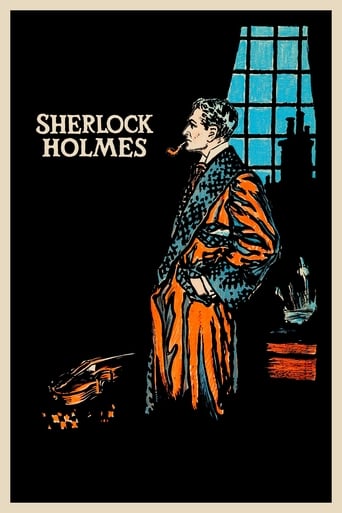
Chester Beery appeared in 1916 feature film Sherlock Holmes, which starred William Gillette in the title role. This film was historically significant as one of the earliest feature-length adaptations of Arthur Conan Doyle's famous detective, and it was considered lost for nearly a century before its rediscovery in 2014. Beery's career appears to have been extremely brief, with his only confirmed film credit being this 1916 production. Like many actors from the early silent period, particularly those in minor roles, detailed records of his life and career are scarce. The film itself was produced at Essanay Studios and was based on Gillette's popular stage play rather than directly adapting any of Doyle's original stories. Given the limited documentation available about actors in supporting roles during this era, much of Beery's personal history and career trajectory remains unknown to film historians.
The Craft
Milestones
- Appeared in the 1916 film Sherlock Holmes starring William Gillette
Best Known For
Must-See Films
Working Relationships
Studios
Why They Matter
Impact on Culture
Chester Beery's contribution to cinema history, while minor, is part of the broader legacy of early American silent films. His appearance in the 1916 Sherlock Holmes film connects him to. The film represents an important bridge between stage and screen adaptations of Sherlock Holmes, featuring William Gillette, the actor who essentially created the visual image of Holmes that persists to this day. Though Beery's role was likely small, he participated in a production that has become invaluable to film historians and Sherlock Holmes enthusiasts alike.
Lasting Legacy
Chester Beery's legacy is that of countless supporting actors from the silent era whose names have faded into obscurity but who collectively contributed to the foundation of American cinema. His connection to the rediscovered 1916 Sherlock Holmes film ensures his name is preserved in film history, however briefly. This rediscovery has allowed modern audiences and scholars to study early film techniques and the transition of stage acting to the screen, with every performer, including Beery, playing a part in this historical documentation.
Who They Inspired
Given his brief career and minor role, there is no documented evidence of Chester Beery influencing other actors or filmmakers. His contribution, like that of many early film actors, was primarily in helping to establish the medium of narrative cinema during its formative years.
Off Screen
Very little is known about Chester Beery's personal life, as he appears to have had only a brief career in silent cinema with minimal documentation of his biographical details.
Did You Know?
- Chester Beery's only known film appearance was in the long-lost 1916 Sherlock Holmes film
- The Sherlock Holmes film he appeared in was rediscovered in 2014 after being lost for nearly a century
- The film starred William Gillette, who was famous for his stage portrayal of Sherlock Holmes
- Essanay Studios, where the film was made, was one of the early major film production companies
- The film was based on Gillette's stage play rather than directly adapting Arthur Conan Doyle's stories
- His career appears to have lasted only one year, 1916
- Like many early film actors, detailed biographical information about him has been lost to time
Frequently Asked Questions
Who was Chester Beery?
Screen credits include only one known film, the 1916 production of Sherlock Holmes starring William Gillette. His career was extremely brief, lasting only the year 1916, and detailed biographical information about him is scarce.
What film is Chester Beery known for?
Chester Beery is known exclusively for his appearance in the 1916 film Sherlock Holmes, which was historically significant as one of the earliest feature-length adaptations of the famous detective and was considered lost for nearly a century before its rediscovery.
When was Chester Beery active in films?
Chester Beery was active only in 1916, with his sole known film credit being the Sherlock Holmes production from that year. There are no records of him appearing in any other films before or after this date.
What studio produced the film Chester Beery appeared in?
The 1916 Sherlock Holmes film that Chester Beery appeared in was produced by Essanay Studios, one of the early major film production companies during the silent era.
Why is the 1916 Sherlock Holmes film historically significant?
The 1916 Sherlock Holmes film is historically significant because it featured William Gillette, the actor who essentially created the iconic visual image of Sherlock Holmes, and was thought lost for nearly 100 years before being rediscovered in 2014, making it an invaluable piece of film history.