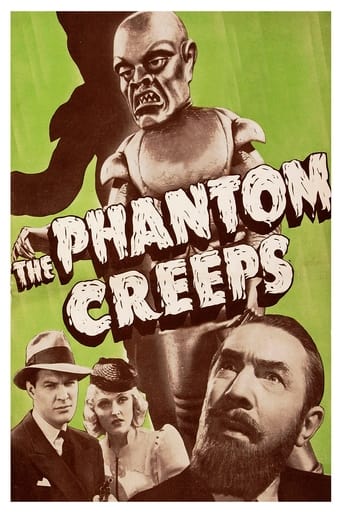
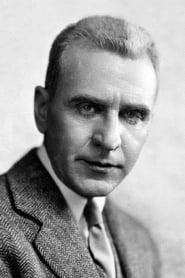
Edward Van Sloan
Actor
Born: November 1, 1882 in San Francisco, California, USA Died: March 6, 1964 Active: 1916-1960 Birth Name: Edward Hugh Van Sloan
Films
1 film
About Edward Van Sloan
American character actor: over four decades, though he is most remembered for his pivotal contributions to Universal's classic horror films of the 1930s. Born in San Francisco in 1882, Van Sloan began his career on the stage, honing his craft in numerous theatrical productions before transitioning to silent films in the 1910s. His breakthrough came with the advent of sound, where his rich, authoritative voice and commanding presence made him an ideal choice for roles requiring gravitas and intellectual authority. He became synonymous with the horror genre through his collaborations with Universal Studios, particularly his memorable portrayals opposite Bela Lugosi and Boris Karloff. Beyond horror, Van Sloan appeared in over 150 films across various genres, often cast as doctors, professors, clergymen, or other figures of authority. His career continued steadily through the 1940s and 1950s, though he never again achieved the prominence of his early horror work. Van Sloan retired from acting in the early 1960s and passed away in 1964, leaving behind a legacy as recognizable supporting actors in classic horror cinema.
The Craft
On Screen
Van Sloan was known for his authoritative, dignified presence and distinctive resonant voice that commanded attention in every scene. His acting approach was rooted in classical stage training, bringing a theatrical gravitas to his film roles that made him particularly effective as figures of authority. He specialized in portraying intellectuals, scientists, and clergymen with a calm, rational demeanor that provided perfect contrast to the supernatural horrors unfolding around him. Van Sloan's delivery was measured and precise, with a tendency toward formal speech patterns that enhanced his characters' credibility and wisdom. His physical presence was equally imposing, with a tall, gaunt frame and piercing eyes that could convey both intellectual curiosity and moral conviction.
Milestones
- Breakthrough role as Dr. Van Helsing in Universal's Dracula (1931)
- Memorable performance as Dr. Waldman in Frankenstein (1931)
- Key role as Dr. Muller in The Mummy (1932)
- Extensive stage career before transitioning to films
- Over 150 film appearances across four decades
Best Known For
Iconic Roles
Must-See Films
Accolades
Special Recognition
- Hollywood Walk of Fame Star (6263 Hollywood Blvd)
Working Relationships
Worked Often With
Studios
Why They Matter
Impact on Culture
Edward Van Sloan played a crucial role in establishing the archetype of the rational authority figure in horror cinema, serving as the audience's anchor to reason amidst supernatural chaos. His portrayals of doctors, professors, and vampire hunters created a template that would be followed by countless actors in subsequent horror films. Van Sloan's work helped legitimize the horror genre during its formative years, bringing theatrical credibility to what was initially considered lowbrow entertainment. His calm, scientific approach to confronting horror elements reflected the modernist sensibilities of the 1930s, where reason and science were seen as bulwarks against superstition and the unknown. The character dynamics he established, particularly as Van Helsing opposite Lugosi's Dracula, became foundational to vampire mythology and influenced countless adaptations in film, television, and literature.
Lasting Legacy
Edward Van Sloan's legacy endures through his iconic contributions to the golden age of horror cinema, particularly his foundational work in Universal's monster films. His performances have been referenced and paid homage to in numerous modern horror productions, with many actors citing his authoritative style as an influence. Van Sloan's portrayal of Van Helsing set the standard for vampire hunters that continues to evolve in contemporary media. Film historians and classic horror enthusiasts regard him as an essential component of Universal's horror formula, providing the intellectual counterweight to the monstrous elements. His work remains frequently screened at film festivals and classic cinema revivals, introducing new generations to his distinctive presence. Van Sloan's extensive filmography also serves as a valuable record of character acting techniques from the early sound era, studied by film scholars and acting students alike.
Who They Inspired
Van Sloan's methodical, intellectual approach to character acting influenced generations of performers in the horror and thriller genres. His ability to convey authority and scientific credibility without appearing wooden or overly academic became a model for actors playing similar roles. The dynamic he established between rational characters and supernatural threats influenced the narrative structure of horror films for decades. Many subsequent character actors in horror, including John Carradine and Peter Cushing, drew inspiration from Van Sloan's ability to balance intellectual authority with dramatic tension. His work helped demonstrate that supporting characters could be as memorable as the monsters they opposed, elevating the importance of well-crafted ensemble performances in genre cinema.
Off Screen
Edward Van Sloan was married to actress Myra Jackson for nearly 50 years, from 1915 until his death in 1964. The couple had one child together, a son named Edward Jr. Van Sloan was known for his professionalism and dedication to his craft, often studying extensively for his roles as scientists and doctors to bring authenticity to his performances. He was described by colleagues as a quiet, intellectual man off-screen who preferred reading and studying to Hollywood social events. Despite his association with horror films, Van Sloan was known for his gentle nature and was deeply respected in the acting community for his reliability and consistency.
Education
Attended Stanford University before pursuing acting career; extensive theatrical training in New York
Family
- Myra Jackson (1915-1964)
Did You Know?
- Was originally trained as a medical doctor before pursuing acting, which explains his convincing portrayals of physicians and scientists
- Spoke several languages fluently, including German and French, which helped him secure roles in international productions
- Was one of the few actors to appear in all three of Universal's original major horror films: Dracula, Frankenstein, and The Mummy
- His distinctive voice made him a popular choice for radio drama adaptations of horror stories in the 1930s and 1940s
- Despite his association with horror, Van Sloan was actually a deeply religious man in real life
- He continued acting well into his 70s, appearing in television roles during the early days of the medium
- Was a founding member of the Screen Actors Guild and participated in its formation
- His stage career included performances on Broadway opposite legendary actors like John Barrymore
- Often served as an unofficial acting coach for younger performers on set, sharing his theatrical expertise
- Never received top billing in any film but became
In Their Own Words
"I am Dr. Van Helsing. I have devoted my life to the study of strange diseases." - as Dr. Van Helsing in Dracula (1931)
"I believe in science. I believe in reason. I do not believe in superstition." - reflecting his typical character philosophy
"The monster is dangerous, but he is also a creation of science. We must understand, not just destroy." - as Dr. Waldman in Frankenstein (1931)
"In matters of the unknown, we must proceed with caution and respect for forces beyond our comprehension." - typical Van Sloan wisdom
Frequently Asked Questions
Who was Edward Van Sloan?
American character with credits in this catalog. Van Helsing in Dracula and Dr. Waldman in Frankenstein. With a career spanning over four decades and 150+ films, he became synonymous with authoritative, intellectual characters in early horror cinema.
What films is Edward Van Sloan best known for?
Titles linked here include Dracula (1931), Frankenstein (1931).
When was Edward Van Sloan born and when did he die?
Born November 1, 1882; died March 6, 1964.
What awards did Edward Van Sloan win?
While Edward Van Sloan did not receive major acting awards during his career, he was honored with a star on the Hollywood Walk of Fame at 6263 Hollywood Blvd for his contributions to motion pictures. His legacy lies more in his cultural impact than formal recognition.
What was Edward Van Sloan's acting style?
Van Sloan was known for his authoritative presence and distinctive resonant voice, bringing theatrical gravitas to his roles. He specialized in portraying intellectuals and professionals with calm, rational demeanor, using measured delivery and formal speech patterns that enhanced his characters' credibility and wisdom.
Did Edward Van Sloan work with other famous horror actors?
Yes, Van Sloan — frequent collaborator with horror legends Bela Lugosi and Boris Karloff, appearing opposite Lugosi in Dracula and with Karloff in Frankenstein and Son of Frankenstein. He also worked with director James Whale on multiple occasions, becoming part of Universal's core horror team.
What was Edward Van Sloan's educational background?
Van Sloan attended Stanford University and was originally training to become a medical doctor before deciding to pursue acting. This medical background contributed to his convincing portrayals of physicians and scientists throughout his film career.