Ermete Novelli
Actor
Born: March 5, 1851 in Lucca, Italy Died: January 30, 1919 Active: 1870s-1919
Films
1 film
About Ermete Novelli
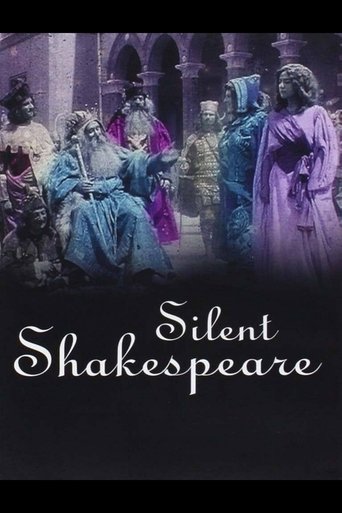
Ermete Novelli was one of Italy's most celebrated theatrical actors of the late 19th and early 20th centuries, renowned for his powerful dramatic performances and commanding stage presence. Born in Lucca in 1851, Novelli began his acting career in the 1870s and quickly rose to prominence in Italian theater circles. He established his own theatrical company and became famous for his interpretations of Shakespearean roles, particularly tragic characters that showcased his intense emotional range. Novelli's transition to cinema came late in his career, with his most notable film being the 1910 adaptation of King Lear, where he portrayed the titular character. His stage technique, characterized by grand gestures and profound emotional depth, influenced generations of Italian actors. Despite his brief film career, Novelli's legacy excelled in theatrical performance endured long after his death in 1919. He was considered a national treasure in Italy and helped elevate the status of acting as a respectable art form.
The Craft
On Screen
Novelli was known for his grand, theatrical acting style characterized by powerful gestures, intense emotional expression, and commanding vocal delivery. His technique was rooted in the 19th-century romantic tradition of acting, emphasizing dramatic contrasts and profound psychological depth. He possessed a remarkable ability to convey complex emotions through both physical movement and vocal modulation, making his performances particularly memorable in tragic roles. Novelli's approach combined classical training with innovative interpretations, allowing him to bring fresh perspectives to traditional roles.
Milestones
- Founded his own theatrical company in the 1880s
- Became renowned for Shakespearean interpretations
- Starred in the 1910 film adaptation of King Lear
- Toured extensively throughout Europe and South America
- Mentored numerous younger actors in theatrical technique
- Considered one of Italy's greatest dramatic actors of his era
Best Known For
Iconic Roles
Must-See Films
Accolades
Special Recognition
- Recognized as one of Italy's greatest actors of the 19th century
- Theaters named in his honor in Italy
- Posthumous recognition in Italian theatrical history
Working Relationships
Worked Often With
Why They Matter
Impact on Culture
Ermete Novelli played a significant role in elevating the status of acting in Italy from mere entertainment to a respected art form. His dedication to classical works, particularly Shakespeare, helped introduce and popularize these texts to Italian audiences. Novelli's theatrical tours throughout Europe and South America helped spread Italian dramatic tradition internationally, fostering cultural exchange through performance. His transition to film, though brief, represented an important moment in the development of Italian cinema, bridging the gap between theatrical tradition and emerging cinematic art. Novelli's commitment to artistic excellence and his powerful performances helped establish standards that would influence Italian theater and film for decades.
Lasting Legacy
Novelli's legacy endures through his influence on Italian theatrical tradition and his role in the early development of Italian cinema. He is remembered excelled in dramatic interpretation whose techniques and approaches to character development continue to be studied by actors and scholars. Theaters bearing his name in Italy serve as monuments to his contributions to the performing arts. His performance in King Lear (1910) remains an important early example of film adaptation of classical theater, demonstrating how theatrical techniques could be translated to the new medium of cinema. Novelli's career exemplifies the transition from 19th-century theatrical traditions to 20th-century performance arts, making him a pivotal figure in the history of Italian entertainment.
Who They Inspired
Novelli influenced generations of Italian actors through his powerful dramatic techniques and his dedication to classical works. His approach to Shakespearean roles set standards for interpretation that would be followed by subsequent performers. Many actors who trained in his company went on to have successful careers in both theater and early cinema. His emphasis on emotional authenticity combined with technical precision became a model for dramatic performance in Italy. Novelli's work helped establish a distinctly Italian approach to classical drama that balanced respect for tradition with innovative interpretation.
Off Screen
Novelli was deeply dedicated to his craft and spent much of his life touring with his theatrical company. He was known to be a demanding but respected figure in theatrical circles, maintaining high standards for both himself and his fellow performers. Despite his fame, he remained somewhat private about his personal affairs, focusing primarily on his artistic endeavors.
Education
Trained in traditional Italian theatrical schools, though specific educational institutions are not well documented
Did You Know?
- Novelli was primarily a stage actor who only appeared in films late in his career
- His 1910 King Lear was one of the earliest film adaptations of Shakespeare in Italy
- He was known for his intense preparation method for roles
- Novelli toured extensively, bringing Italian theater to international audiences
- His acting style was considered revolutionary for its time in Italy
- He maintained his own theatrical company for many years
- Novelli was particularly renowned for his tragic roles
- His death in 1919 marked the end of an era in Italian theater
- Contemporary critics praised his ability to convey deep emotion
- He helped establish acting as a respectable profession in Italian society
In Their Own Words
The stage is not merely a platform, but a sacred space where truth becomes visible.
To act is not to pretend, but to reveal the hidden realities of human experience.
Great drama requires not just technique, but the courage to bare one's soul.
Frequently Asked Questions
Who was Ermete Novelli?
Ermete Novelli was one of Italy's most celebrated theatrical actors of the late 19th and early 20th centuries, renowned for his powerful dramatic performances and interpretations of Shakespearean roles. He transitioned to film late in his career, starring in the 1910 adaptation of King Lear.
What films is Ermete Novelli best known for?
Novelli is primarily known for his role in King Lear (1910), which was one of his few film appearances. His career was predominantly in theater, where he achieved legendary status for his dramatic performances.
When was Ermete Novelli born and when did he die?
Ermete Novelli was born on March 5, 1851, in Lucca, Italy, and died on January 30, 1919. He lived during a transformative period in Italian theater and early cinema.
What awards did Ermete Novelli win?
While formal awards were not common during Novelli's era, he received widespread critical acclaim and was recognized as one of Italy's greatest actors. His legacy includes theaters named in his honor and his lasting influence on Italian theatrical tradition.
What was Ermete Novelli's acting style?
Novelli was known for his grand, theatrical style characterized by powerful gestures, intense emotional expression, and commanding vocal delivery. His technique combined 19th-century romantic traditions with innovative interpretations, particularly excelling in tragic roles.