Films
1 film
About Ann Wallack
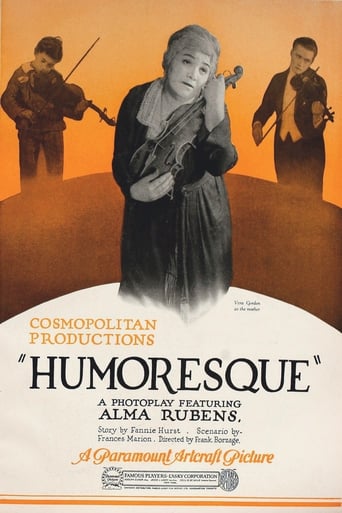
American actress of the silent era, with her only known credited role being in the 1920 drama 'Humoresque.' As was common with many early film performers, her career was brief and she appeared to have transitioned out of the film industry after just one major production. 'Humoresque' was a significant film of its time, based on a story by Fannie Hurst and directed by Frank Borzage, which would have provided Wallack with exposure to major Hollywood talent of the era. Her role, while not the lead, was part of an ensemble cast that helped tell the emotional story of a young Jewish musician's rise and struggles. Like many supporting actors of the silent era, Wallack's contribution to cinema history exists primarily through this single surviving film credit. The transition to sound films in the late 1920s saw many silent era actors leave the industry, and Wallack appears to have been among those who did not continue into the talkies era.
The Craft
Milestones
- Appeared in 'Humoresque' (1920) directed by Frank Borzage
- Worked during the silent film era
Best Known For
Iconic Roles
Must-See Films
Working Relationships
Worked Often With
Why They Matter
Impact on Culture
Ann Wallack's contribution to cinema history, while limited to a single known film, represents the broader narrative of countless actors who participated in the early years of Hollywood but whose careers were brief. Her appearance in 'Humoresque' places her within the context of important early American cinema, as the film itself is considered a significant work of the silent era. The film's themes of artistic struggle and cultural identity were progressive for its time, and Wallack, as part of the ensemble, contributed to this important cultural document. The existence of actors like Wallack illustrates the vast scale of early Hollywood production and the many performers who contributed to the art form's development, even if their names are not widely remembered today.
Lasting Legacy
Ann Wallack's legacy exists primarily through her participation in the historically significant 1920 film 'Humoresque.' While she did not achieve lasting fame, her contribution is preserved as part of this important early American film that continues to be studied by film historians. Her story represents the thousands of actors who passed through Hollywood during its formative years, each playing their part in building the foundation of American cinema. For film scholars and silent cinema enthusiasts, Wallack represents the typical journey of many early film actors - brief careers that nonetheless contributed to the early Hollywood.
Who They Inspired
Due to her brief career and limited filmography, there is no documented evidence of Ann Wallack influencing other actors or directors in any significant way. Her influence, like that of many supporting actors of the era, exists primarily through her contribution to the films in which she appeared, particularly 'Humoresque,' which continues to be studied and appreciated by film historians.
Off Screen
Very little information is available about Ann Wallack's personal life, which is typical for many supporting actors from the silent era who did not achieve major stardom.
Did You Know?
- Ann Wallack's only known film credit is 'Humoresque' (1920)
- 'Humoresque' was based on a story by renowned author Fannie Hurst
- The film was directed by Frank Borzage, who would later win two Academy Awards
- Like many silent era actors, Wallack's career appears to have ended with the transition to sound films
- Very little biographical information about Wallack survives, which was common for supporting actors of her era
- 'Humoresque' was remade in 1946 with Joan Crawford and John Garfield
- The original 1920 version is considered an important early American film
- Wallack was part of Hollywood during its transition from the East Coast to the West Coast
Frequently Asked Questions
Who was Ann Wallack?
Screen credits include only one known film, 'Humoresque' (1920). Her career was brief, which was typical for many supporting actors during early Hollywood's formative years.
What films is Ann Wallack best known for?
Titles linked here include Humoresque (1920).
When was Ann Wallack born and when did she die?
Unfortunately, specific birth and death dates for Ann Wallack are not available in historical records, which is common for many supporting actors from the silent era who did not achieve lasting fame.
What awards did Ann Wallack win?
There are no records of Ann Wallack receiving any major awards or nominations during her brief film career, which spanned only the year 1920.
What was Ann Wallack's acting style?
Due to the limited availability of information and only one known film credit, specific details about Ann Wallack's acting style are not documented in film history records.
Why is Ann Wallack significant to film history?
While not a major star, Ann Wallack represents the thousands of actors who contributed to early Hollywood cinema. Her participation in 'Humoresque,' a historically significant silent film, makes her part of cinema's foundational development.