Films
2 films
About Nikolai Shamin
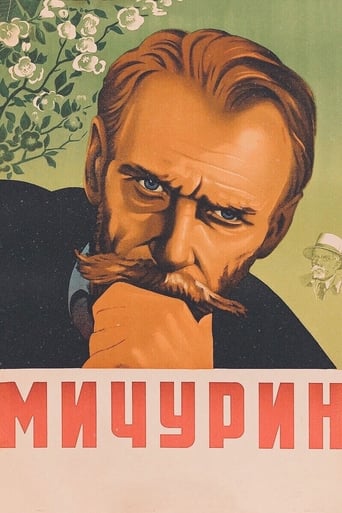
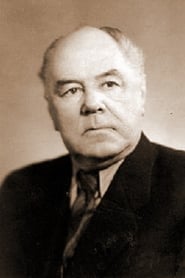
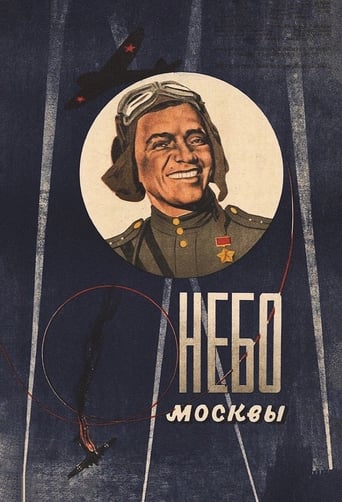
Soviet actor active during the 1940s, appearing in several notable films of the Stalinist era. His career, though relatively brief, coincided with a significant period in Soviet cinema when wartime and post-war propaganda films were prominent. Nikolai appears in 'Moscow Skies' (1944), a wartime aviation drama that showcased Soviet heroism during the Great Patriotic War. His role in 'Life in Bloom' (1948) further established him as a supporting actor in Soviet cinema, though his filmography appears limited to these and possibly a few other productions from this period. Like many actors of his generation, his work was shaped by the strict artistic guidelines of Socialist Realism and the demands of Soviet film production. His acting career seems to have been concentrated primarily in the mid-to-late 1940s, after which information about his subsequent activities becomes scarce.
The Craft
Milestones
- Appeared in 'Moscow Skies' (1944)
- Appeared in 'Life in Bloom' (1948)
Best Known For
Must-See Films
Working Relationships
Studios
Why They Matter
Impact on Culture
Nikolai Shamin's contribution to Soviet cinema, while not extensively documented, represents the work of supporting actors who were essential to the film industry during the 1940s. His appearances in notable wartime and post-war Soviet films place him within the broader context of Soviet cultural production during a critical historical period. These films served both as entertainment and as vehicles for Soviet ideology, and actors like Shamin were integral to bringing these state-commissioned narratives to life. His work in 'Moscow Skies' contributed to the wartime morale-building efforts through cinema, while 'Life in Bloom' reflected post-war Soviet values and aspirations.
Lasting Legacy
Due to limited documentation and a relatively brief film career, Nikolai Shamin's legacy in film history remains modest. He represents the numerous character actors and supporting players who formed the backbone of Soviet cinema during the 1940s but whose individual contributions have been largely overshadowed by the era's leading stars and directors. His surviving film work provides valuable insight into the types of performances and characterizations that were typical of Soviet cinema during this period.
Did You Know?
- Appeared in two major Soviet films during the 1940s
- Worked during the height of Socialist Realism in Soviet cinema
- His film career appears to have been concentrated in the mid-1940s
- Both known films were produced by the prestigious Mosfilm studio
- His acting career coincided with the final years of World War II and immediate post-war period
Frequently Asked Questions
Who was Nikolai Shamin?
Screen credits include several notable Soviet films including 'Moscow Skies' (1944) and 'Life in Bloom' (1948). His career was relatively brief but contributed to the Soviet film industry during an important historical period.
What films is Nikolai Shamin best known for?
Titles linked here include Moscow Skies (1944), Life in Bloom (1948).
When was Nikolai Shamin born and when did he die?
Specific birth and death dates for Nikolai Shamin are not well-documented in available sources. His active film career was during the period from 1944 to 1948, placing him as a working actor in Soviet cinema during the mid-1940s.
What awards did Nikolai Shamin win?
There are no documented awards or nominations for Nikolai Shamin in available sources. Like many supporting actors of his era, his contributions were likely recognized more through continued employment rather than formal accolades.
What was Nikolai Shamin's acting style?
While specific details about his acting technique are not well-documented, as a Soviet actor in the 1940s, he would have worked within the constraints and conventions of Socialist Realism, the officially sanctioned artistic style of the period that emphasized clear characterizations and ideological clarity.