Films
1 film
About Willis Elder
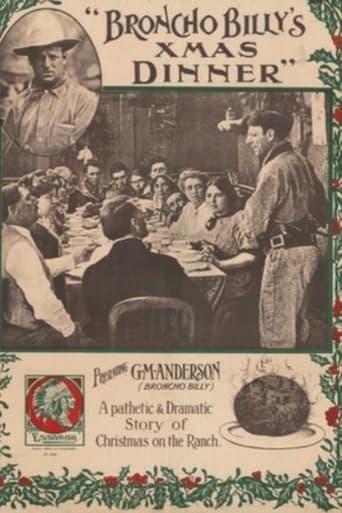
Willis Elder worked on one surviving credit: Broncho Billy's Christmas Dinner (1911). Specifically in the year 1911. His career was notably brief, spanning only a single year during which he participated in the early Western film genre that was helping to establish cinematic storytelling conventions. Elder appeared in 'Broncho Billy's Christmas Dinner,' a short film directed by and starring Gilbert M. Anderson, who was one of the first Western movie stars and a significant figure in early Hollywood. Like many actors of this period, Elder likely came from a theatrical background or was among the first generation of performers drawn to the new medium of motion pictures. His work occurred during a transitional time when cinema was evolving from novelty exhibitions to narrative storytelling, and actors were still developing the techniques specific to film performance. The brevity of his film career suggests he may have been a bit player, extra, or someone who experimented with acting but ultimately pursued other professional paths. His contribution, however small, represents part of the foundation upon which the American film industry would build its future.
The Craft
On Screen
As a silent era actor, Elder would have employed the exaggerated physical gestures and dramatic facial expressions characteristic of early cinema, where performers needed to convey emotion and story without dialogue. His acting would have been influenced by stage traditions, with broad movements and clear pantomime to ensure audiences could follow the narrative. The technical limitations of early film equipment required actors to project their performances more strongly than in later cinema.
Milestones
- Appeared in 'Broncho Billy's Christmas Dinner' (1911)
- Participated in early Western cinema during its formative years
- Worked during the silent era's period
Best Known For
Iconic Roles
Must-See Films
Working Relationships
Worked Often With
Studios
Why They Matter
Impact on Culture
Willis Elder's contribution to cinema, though minimal in scope, represents the collective effort of countless early film pioneers who helped establish the foundations of the movie industry. His appearance in a 1911 Western places him among the early practitioners of a genre that would become one of Hollywood's most enduring and influential categories. The Broncho Billy series in which he appeared was instrumental in developing many Western tropes and conventions that would define the genre for decades. While Elder himself was not a major star, his participation in these early films contributed to the gradual evolution of cinematic language and storytelling techniques that would transform motion pictures from novelty attractions into a legitimate art form.
Lasting Legacy
Willis Elder's legacy is primarily that of a representative figure from cinema's earliest days - one of the many anonymous performers who helped build the film industry from the ground up. His brief appearance in 'Broncho Billy's Christmas Dinner' ensures his place in film history, however minor, as a participant in the development of the Western genre during its infancy. Like many early film actors, his work survives as part of the historical record of cinema's evolution, reminding us that the foundations of Hollywood were built by countless individuals whose names may be forgotten but whose contributions remain preserved in the films they helped create.
Who They Inspired
Given the brevity of his career and minor status within the industry, Willis Elder likely had little direct influence on other performers or filmmakers. However, as part of the early Western film movement, his work contributed to the establishment of genre conventions that would influence countless future Westerns and filmmakers. His participation in these films represents the collaborative nature of early cinema, where even minor roles contributed to the development of cinematic techniques and storytelling methods that would influence generations of filmmakers to come.
Off Screen
Very little is documented about Willis Elder's personal life, which was common for many bit players and supporting actors from the earliest days of cinema. Like many performers of his era, he may have maintained a private life separate from his brief film career, and records from this period are often incomplete or lost to time. The lack of biographical information suggests he was not a prominent public figure beyond his brief film appearances.
Did You Know?
- Appeared in only one known film during his entire career
- Worked during the same year that the first feature-length film was produced
- Participated in the popular Broncho Billy series, which ran from 1907 to 1915
- His film was produced by Essanay Studios, one of the early major film production companies
- The film he appeared in was only 10 minutes long, typical of films from this period
- 1911 was the year before the first film with a recognizable movie star system emerged
- His active years covered the period when films were still primarily shown in nickelodeons
- The Western genre he participated in would become one of Hollywood's most enduring genres
Frequently Asked Questions
Who was Willis Elder?
Silent film with credits in this catalog.' He was one of the many early cinema pioneers who participated in the Western genre during its formative years.
What films is Willis Elder best known for?
Titles linked here include Broncho Billy's Christmas Dinner (1911).
When was Willis Elder born and when did he die?
Specific birth and death dates for Willis Elder are not documented in available historical records, which is common for many bit players from the earliest days of cinema.
What awards did Willis Elder win?
Willis Elder did not receive any formal awards or recognition, as the major award systems for cinema had not yet been established during his brief career in 1911.
What was Willis Elder's acting style?
As a silent era actor, Elder would have used the exaggerated gestures and dramatic facial expressions typical of early cinema, where performers needed to convey emotion and story clearly without dialogue.
Why was Willis Elder's career so short?
Many actors from the earliest film era had brief careers, either because they were experimental performers trying the new medium, bit players who moved on to other work, or because the film industry was still developing its professional structures.